They might be a totally new cosmic phenomenon ͏ ͏ ͏ ͏ ͏ ͏ ͏ ͏ ͏ ͏ ͏ ͏ ͏ ͏ ͏ ͏ ͏ ͏ ͏ ͏ ͏ ͏ ͏ ͏ ͏ ͏ ͏ ͏ ͏ ͏ ͏ ͏ ͏ ͏ ͏ ͏ ͏ ͏ ͏ ͏ ͏ ͏ ͏ ͏ ͏ ͏ ͏ ͏ ͏ ͏ ͏ ͏ ͏ ͏ ͏ ͏ ͏ ͏ ͏ ͏ ͏ ͏ ͏ ͏ ͏ ͏ ͏ ͏ ͏ ͏ ͏ ͏ ͏ ͏ ͏ ͏ ͏ ͏ ͏ ͏ ͏ ͏ ͏ ͏ ͏ ͏ ͏ ͏ ͏ ͏ ͏ ͏ ͏ ͏ ͏ ͏ ͏ ͏ ͏ ͏ ͏ ͏ ͏ ͏ ͏ ͏ ͏ ͏ ͏ ͏ ͏ ͏ ͏ ͏ ͏ ͏ ͏ ͏ ͏ ͏ ͏ ͏ ͏ ͏ ͏ ͏ ͏ ͏ ͏ ͏ ͏ ͏ ͏ ͏ ͏ ͏ ͏ ͏ ͏ ͏ ͏ ͏ ͏ ͏ ͏ ͏ ͏ ͏ ͏ ͏
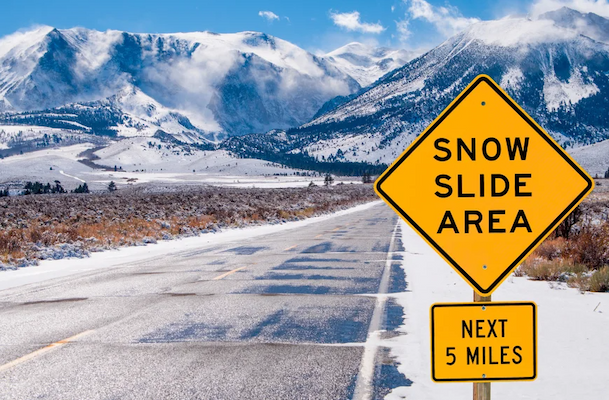
February 19, 2026—Astronomers may have discovered a totally new cosmic phenomenon. Plus, what caused the avalanche in Lake Tahoe and why the solar system is surrounded by peanut-shaped objects. —Andrea Gawrylewski, Chief Newsletter Editor | | A road leading into the Sierra Nevada Mountains. wakr10/Getty Images | | Explore the universe and be in awe of the world with a subscription to Scientific American. Check out our great February deal! | | | Mysterious Little Red Dots | Ever since the James Webb Space Telescope turned on in 2022, nearly every image of the farthest reaches of space it captured contained mysterious red dots. The dots are all very old, dating to about 600 million years after the big bang (a cosmic blink of an eye), meaning they formed soon after the universe itself flashed into existence. Recently, many astronomers have come to believe that these so-called Little Red Dots (LDRs, as they're officially called), are perhaps an entirely new feature of the universe: black hole stars.
How it works: According to the classic timeline, black holes form when giant stars implode and cave inward under their own gravitation. LRDs may represent a new kind of collapsed star, ones with a powerful black hole heart enshrouded by layers of dust that still shine red. The black hole would gobble gas, fueling a red glow and releasing energy, as opposed to a star's fusion core powering the light emissions.
What the experts say: While many astronomers believe black holes are somehow behind LRDs, dozens of research groups are vying for time on the James Webb telescope next year to study these phenomena, trying to pin down exactly where they are, how old they are and how big they are, all of which might help solve the mystery of what they are. "The more data you get across different epochs, the more you can time travel," says Pierluigi Rinaldi of the Space Telescope Science Institute.
| | | | |
A "swarm" of 2,182 earthquakes underneath Yellowstone National Park in 2021 caused microbial life in the park's watery pits to increase sixfold. Scientists were taking samples of microbes from the bottom of a 100-meter-deep borehole in the park when the rare swarm of rumbles came through. Along with observing a huge increase in microbial life, they also saw that hydrogen levels increased, and the types of microbes they observed changed during the event.
Why this happens: Thirty percent of microbes on Earth will never see the sun. Instead, they get energy from munching on the hydrogen formed from chemical reactions between minerals and water. When earthquakes break up rocks underground, there's more surface area to trigger these reactions, which the researchers demonstrated can cause a burst of microbial life to spring forth.
What the experts say: This result may have implications for the hunt for extraterrestrial life. "Extrapolation to other planets and moons suggests that subsurface life might be most easily found in seismically active locations," says Steven D'Hondt, who studies below-seafloor life at the University of Rhode Island and was not involved with the work. —Emma Gometz, newsletter editor | | Mohammed Amar is the on-site manager of a project to protect the endangered plant species in his native Socotra, a Yemeni island. He works as a link between scientists, Indigenous communities and local authorities to identify areas for habitat restoration and finds strategies that suit conservation and people's needs. "After seeing the results, local people are becoming more interested in the work. I hope our people retain enough knowledge to care for nature; nature is the source of life," he says. Nature | 3 min read
Content courtesy of Nature Briefing. | | One of the reasons JWST has been able to spot dozens of Little Red Dots is that it's designed to see in red light—and is equipped with multiple infrared cameras. Previous infrared telescopes simply lacked JWST's power. This all makes me wonder what else we might someday see as more powerful and advanced telescopes open their eyes onto the universe. There's much more than light waves traveling through the cosmos, and therefore much more to be discovered. | | —Andrea Gawrylewski, Chief Newsletter Editor
| | | | |
Subscribe to this and all of our newsletters here. | | | | |