Friday, February 6, 2026

Week in Science: These two habits are linked to more than a third of all cancer cases

A weekly round-up of the biggest news in science                    

February 6Artemis II has a new launch window in March, preventable causes have been linked to more than a third of all cancer cases and—my personal favorite—snakes in India may be inadvertently boarding trains. Also, endangered southern resident killer whales are on the path toward extinction. Our documentary follows the scientists rushing to bring them back from the brink.

—Emma Gometz, Newsletter Editor

What science news do you want to know more about? Email newsletters@sciam.com anytime.

Top Stories
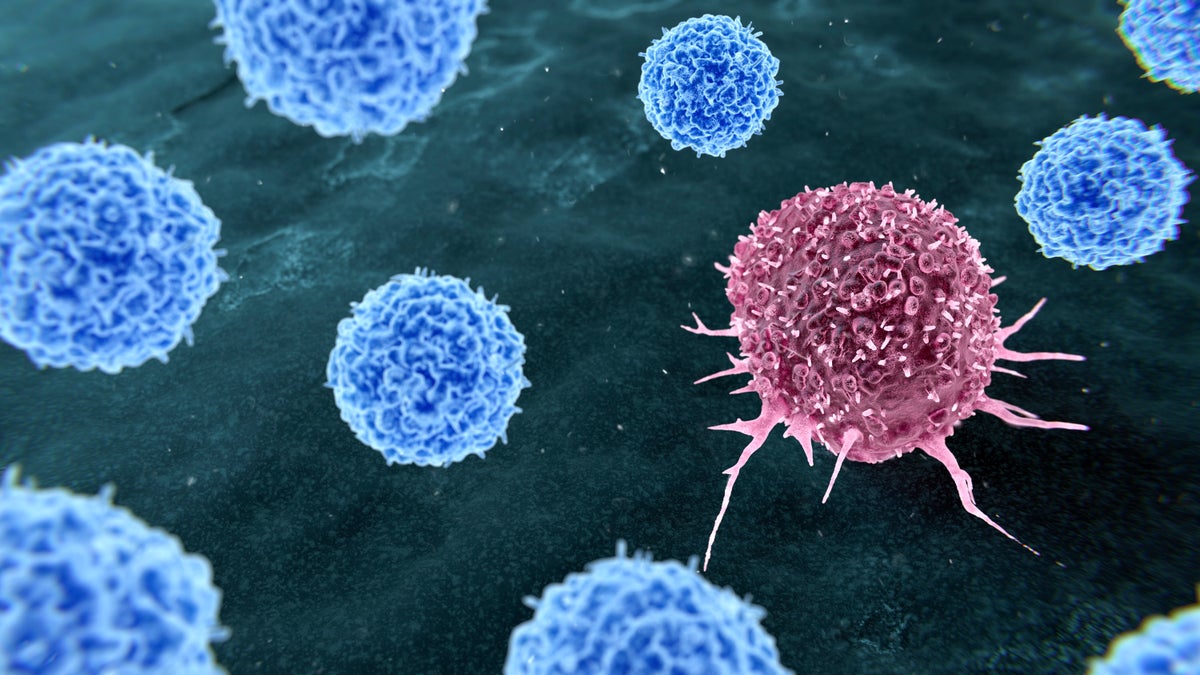
These two habits are linked to more than a third of all cancer cases

More than one-third of cancer cases are preventable, a massive study finds

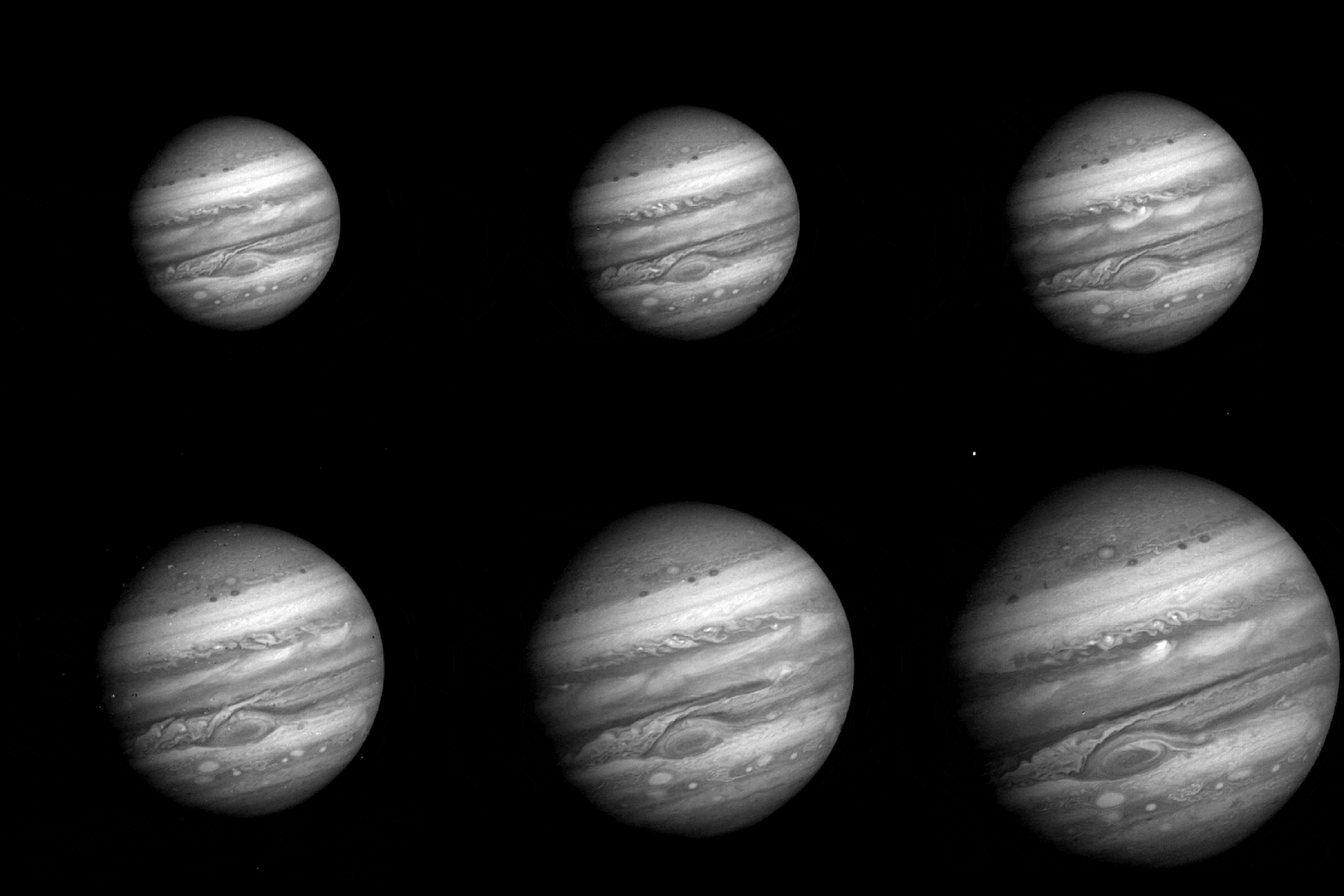
Jupiter isn't as huge as we thought it was

"Textbooks will need to be updated": the solar system's largest planet appears to be smaller and flatter than we knew

Get a deal on a subscription to Scientific American. Supporting our work means amplifying science.
The sun just unleashed its most powerful solar flare in years

The sun is experiencing a violent solar storm, releasing one of the strongest solar flares seen in the past 30 years

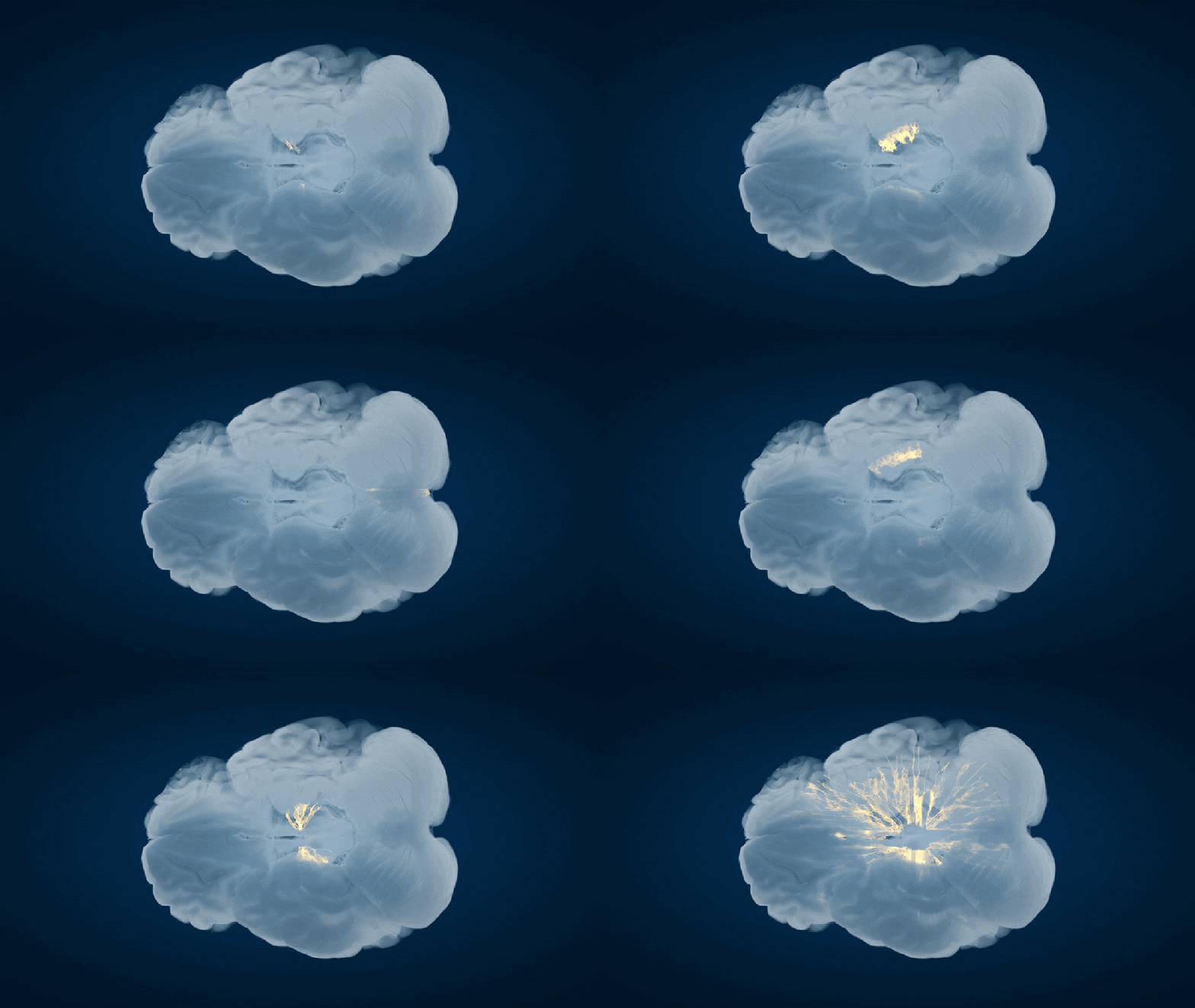
Scientists discover brain network that may cause Parkinson's disease

An "extraordinary" brain network discovery shows that Parkinson's disease may not be a movement disorder after all

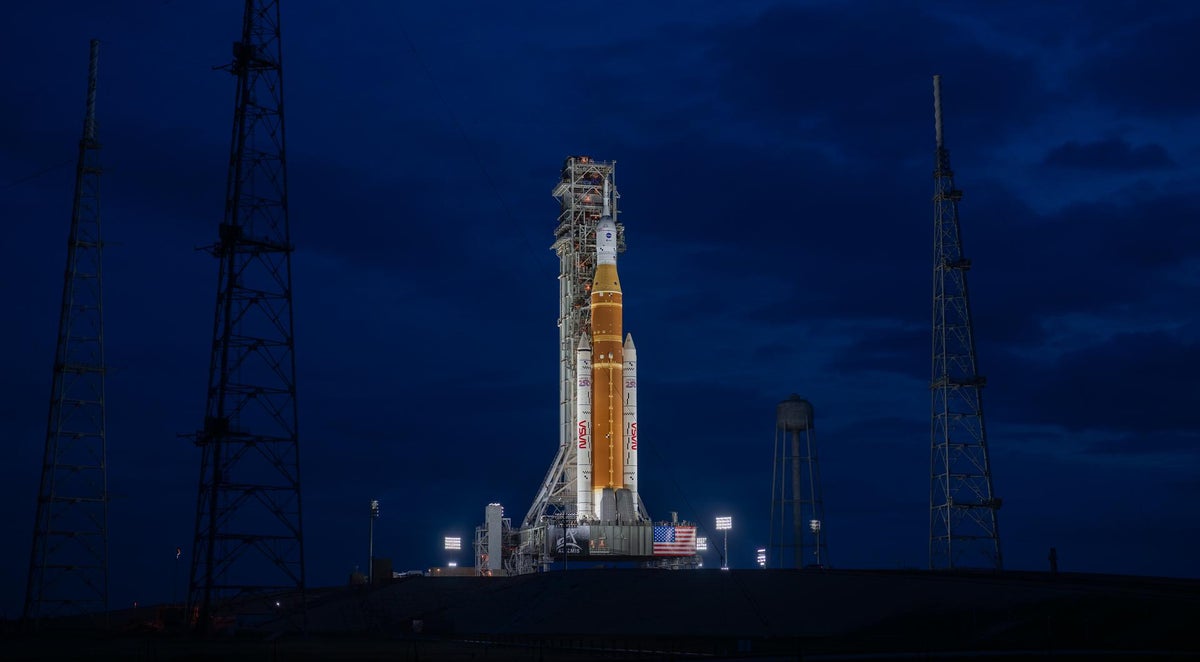
NASA document reveals new Artemis II moon mission target launch dates for March

NASA quietly updated its potential launch windows for its delayed moon mission. The agency is apparently now targeting March 6 to 11

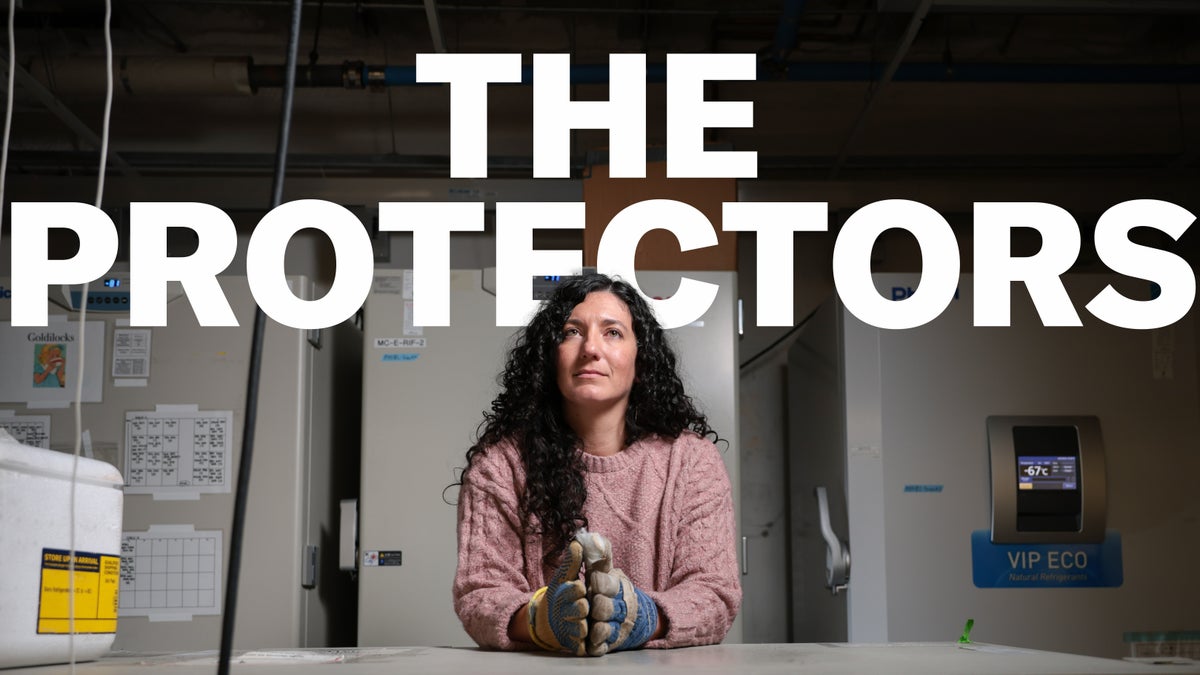
The Protectors: Inside the Desperate Rush to Save an Orca Community

As endangered southern resident killer whales fight for survival, federal funding cuts threaten the scientists working to save them.

Software is becoming something you speak into existence

Coding for the rest of us finally feels possible now that tools like Claude Code turn plain English into working software

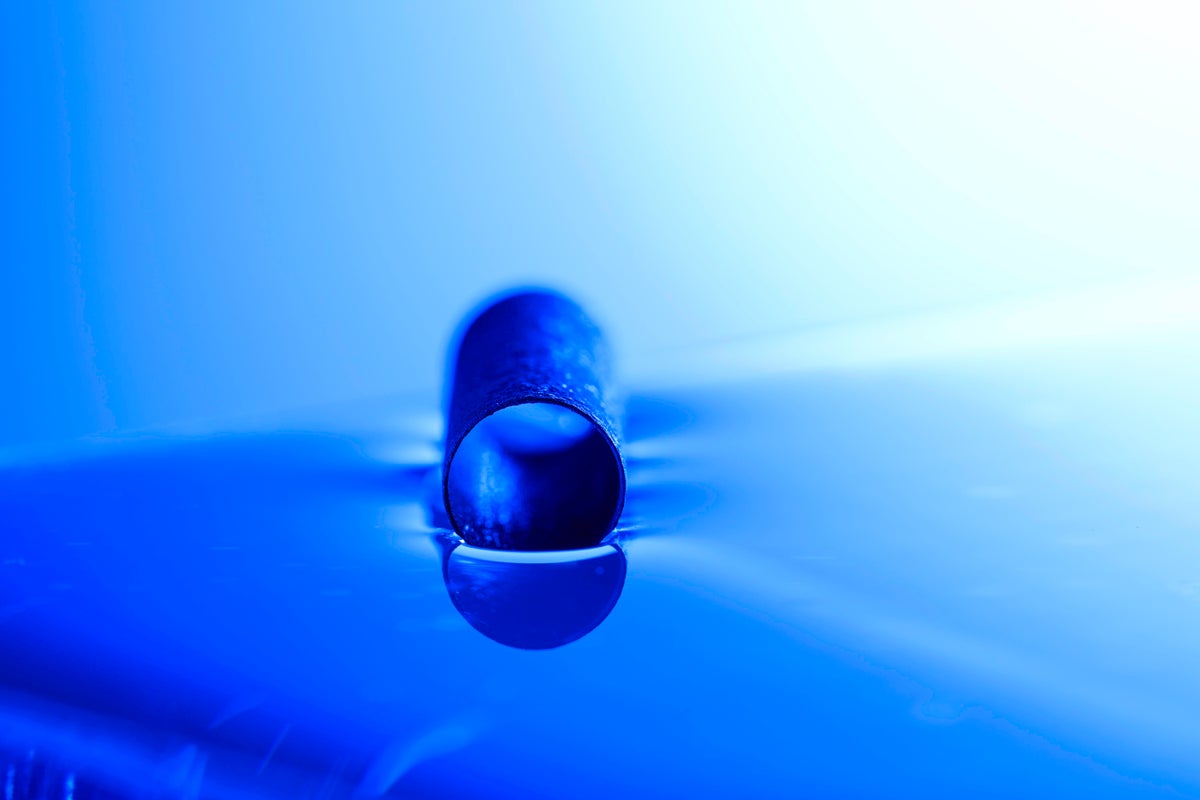
Spiders taught scientists how to make unsinkable metal

Researchers mimicked the air-trapping tricks of diving bell spiders to create aluminum that stays afloat—even when punctured

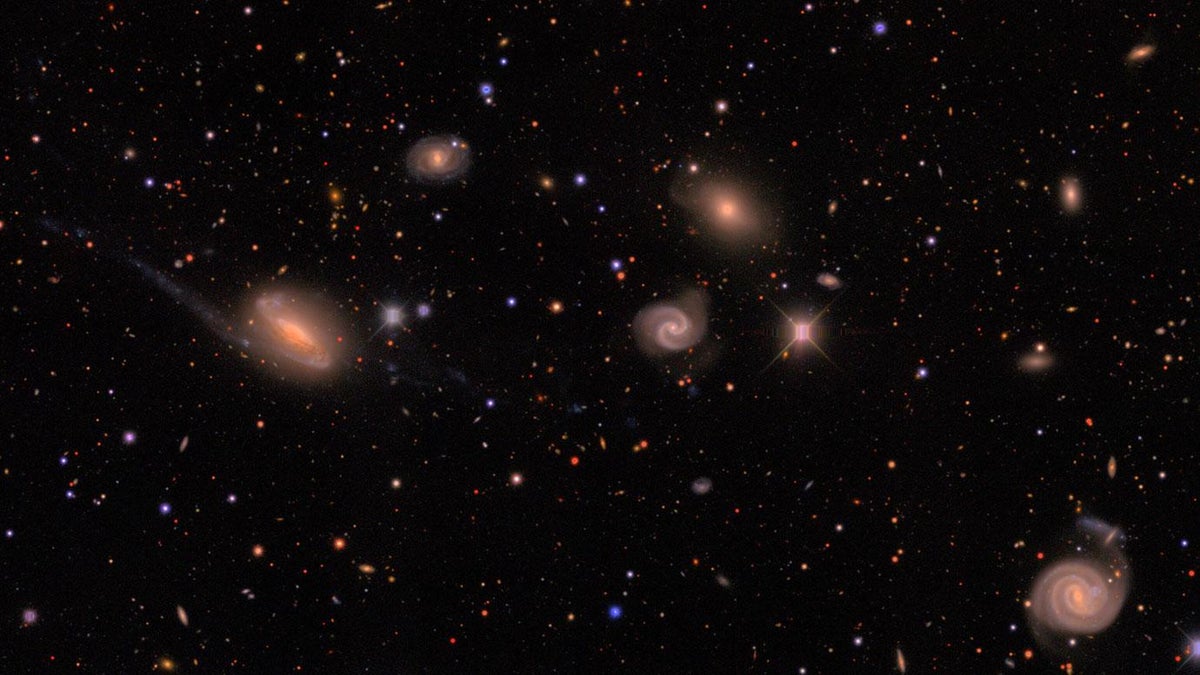
Largest galaxy survey yet confirms that the Universe is not clumpy enough

The six-year results from the Dark Energy Survey highlight unresolved tensions in standard cosmological theory

U.S. quietly declassifies cold war–era 'JUMPSEAT' surveillance satellites

The National Reconnaissance Office has now declassified a satellite program used to spy on America's adversaries

Epstein files show a complicated relationship with science and journalism

Jeffrey Epstein aggressively sought access to publishers, mentions of Scientific American and other media in Department of Justice files show

New chicken-sized dinosaur baffles paleontologists

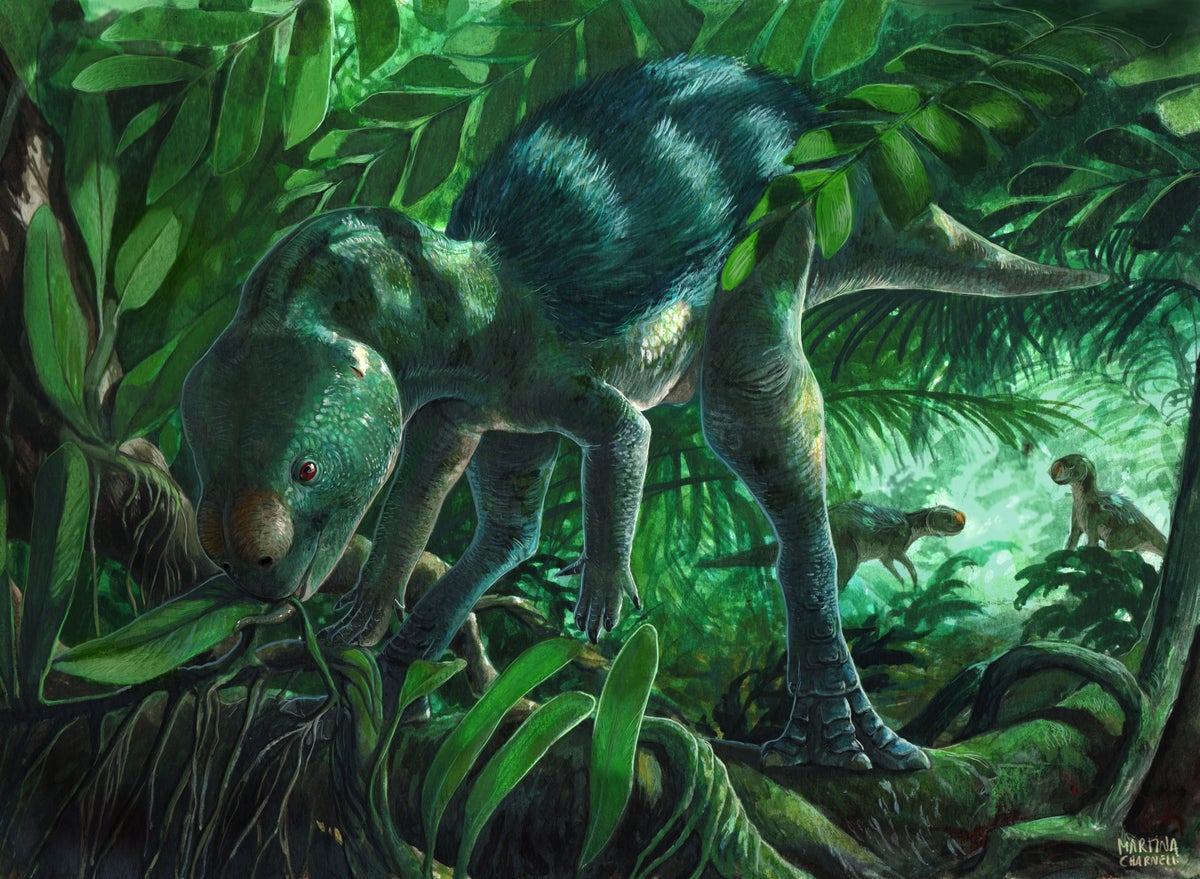
The tiny Foskeia pelendonum was a plant-eating dinosaur with a "weird" anatomy, scientists say

Scientist Pankaj

Week in Science: These two habits are linked to more than a third of all cancer cases

A weekly round-up of the biggest news in science                     View in web browser ...