Friday, February 6, 2026

Space & Physics: Artemis II moon mission delayed after test issues

Top stories in space and physics news                    

February 5 — This week, we're covering the latest on NASA's Artemis II lunar mission, a "space archaeology" search for a long-lost Soviet moon lander, SpaceX's plan to launch a million "orbital data centers," a possible glimpse of an "Earth 2.0" and much, much more. Enjoy!

Thoughts? Questions? Let me know via e-mail (lbillings@sciam.com), X or Bluesky.

Lee Billings, Senior Editor, Physical Sciences

Top Stories
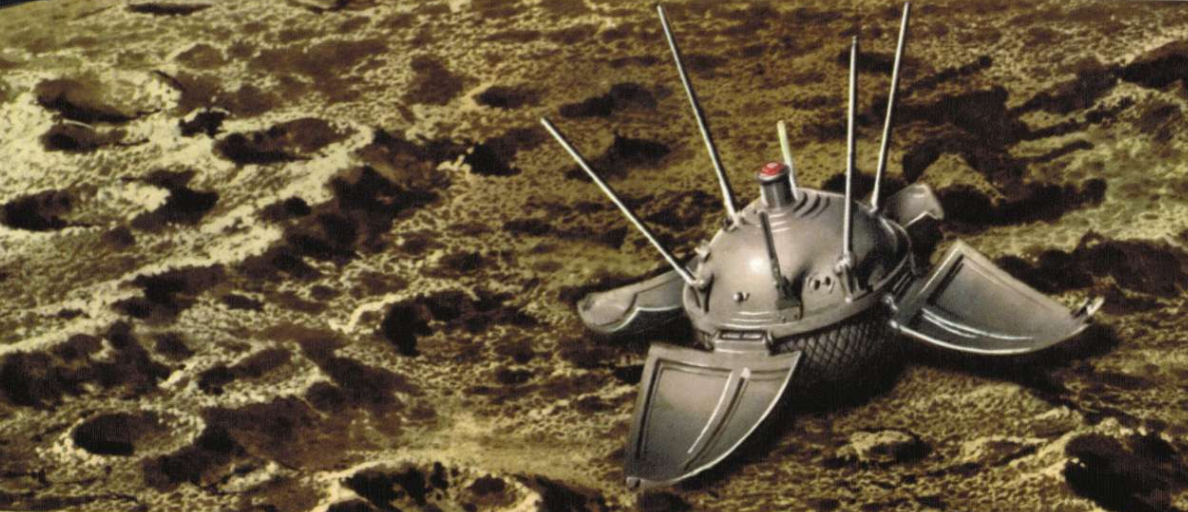
Space archaeologists may have found a long-lost Soviet lander on the moon

Scientists have spent decades searching for the final resting place of Luna 9, the first spacecraft to soft-land on the moon. Now they're on the cusp of finding it

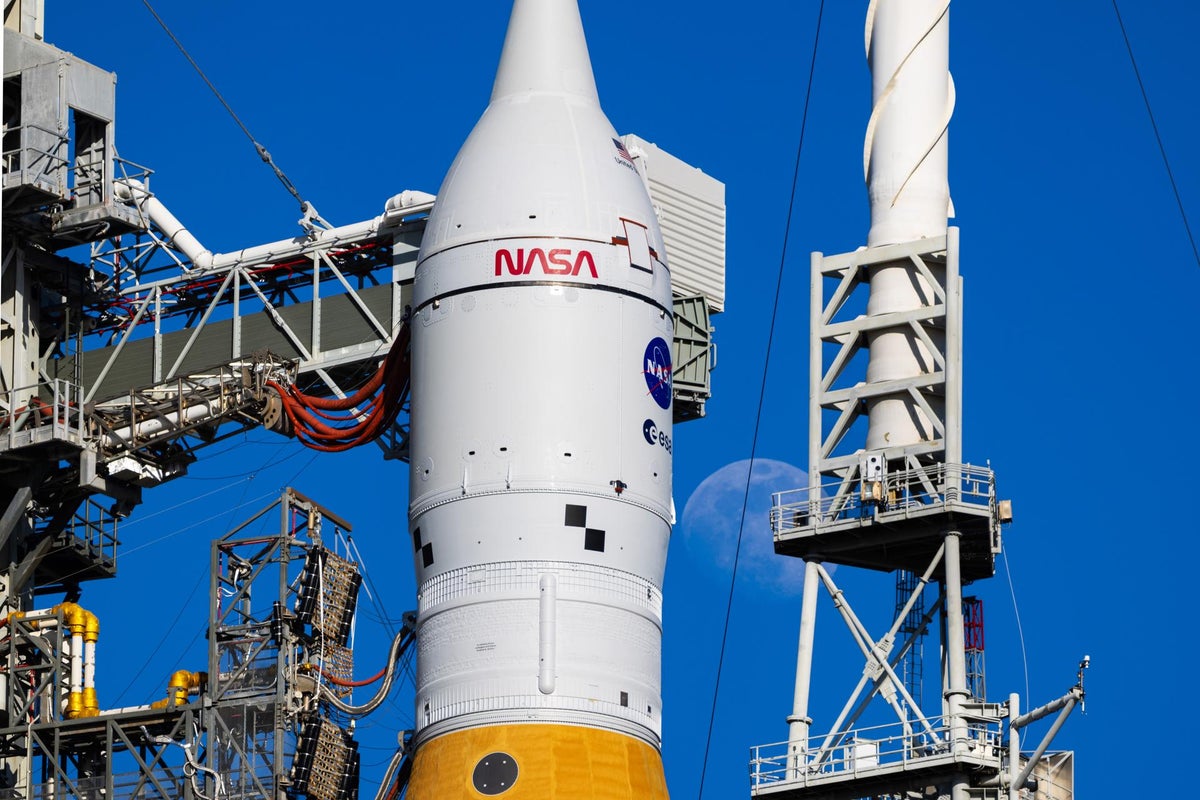
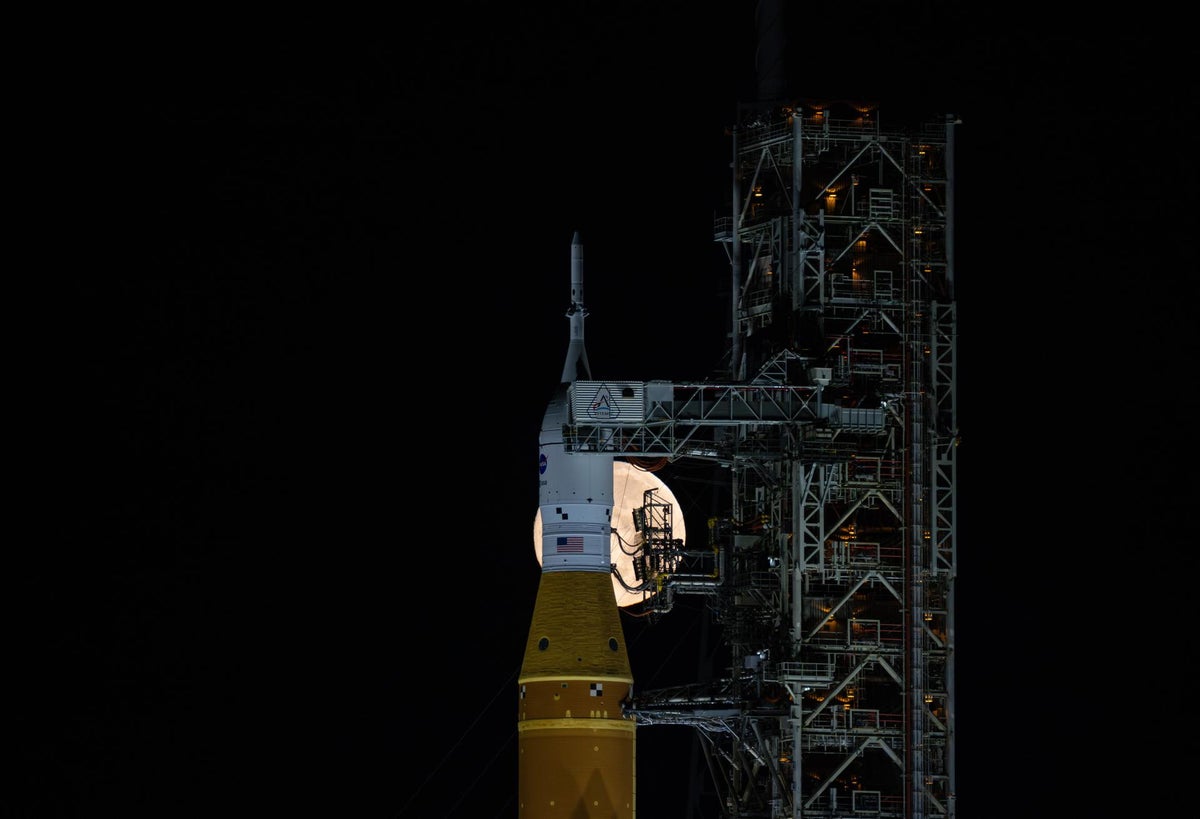
NASA delays Artemis II moon mission after critical test raises issues

NASA will review data gathered during a simulated launch of the Artemis II rocket before revealing a new date for its upcoming moon mission

Immerse yourself in the universe of science with a subscription to Scientific American.
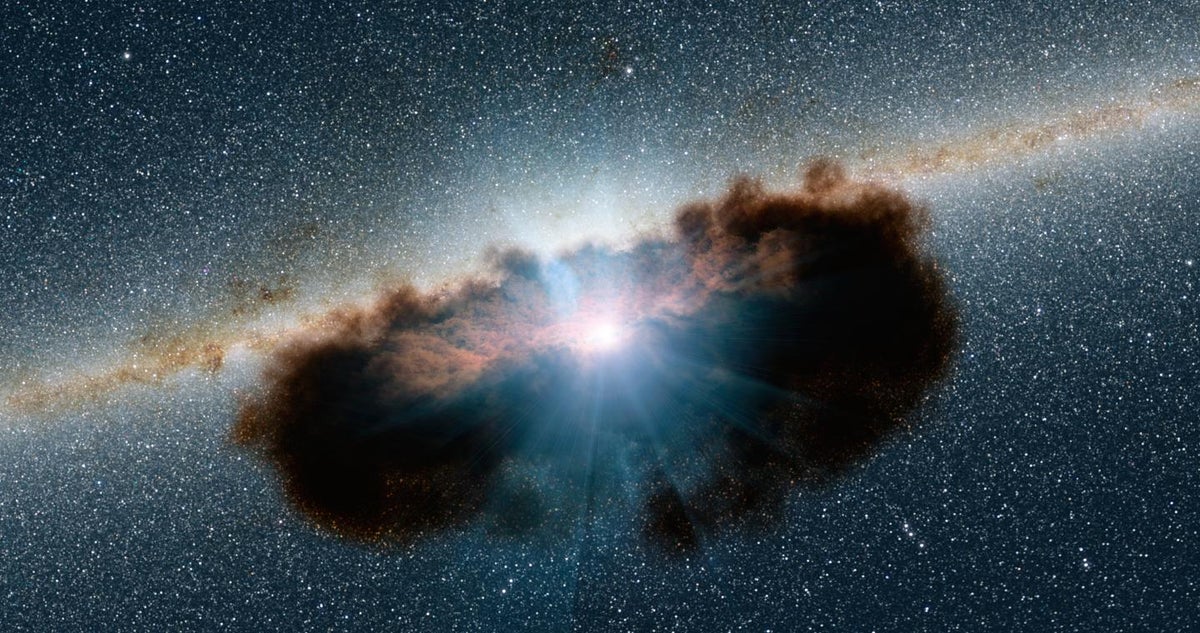
Weird new object escalates 'black hole star' debate

Researchers have found what might be a little red dot transitioning into its final state, where x-rays burst through its gas cocoon. Others argue the object is nothing special

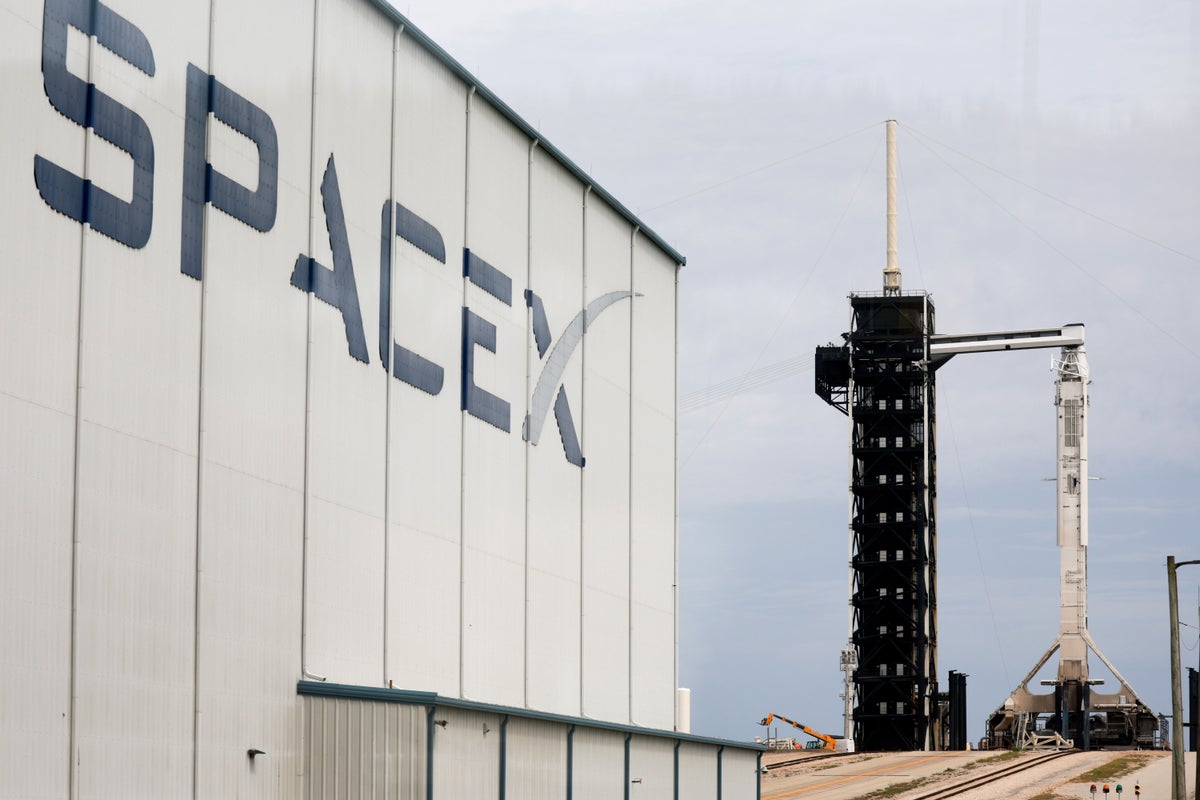
SpaceX plans to launch one million satellites to power orbital AI data center

Elon Musk's SpaceX is set to massively expand its orbital footprint in a bid to power next-generation artificial intelligence

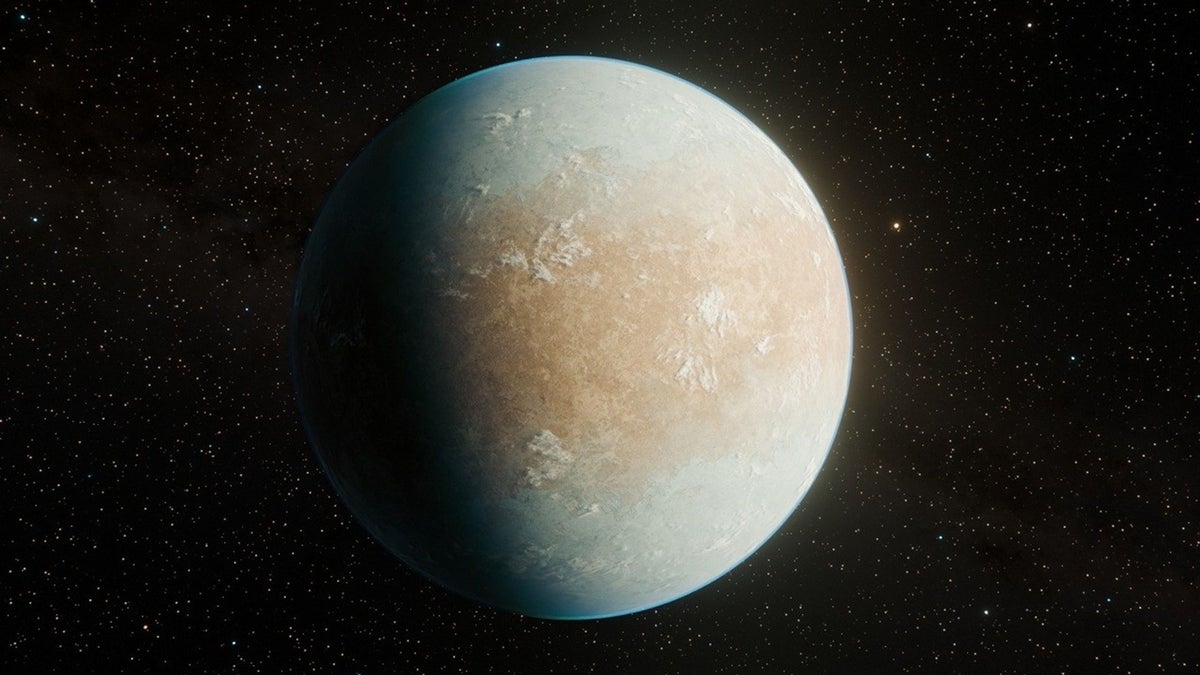
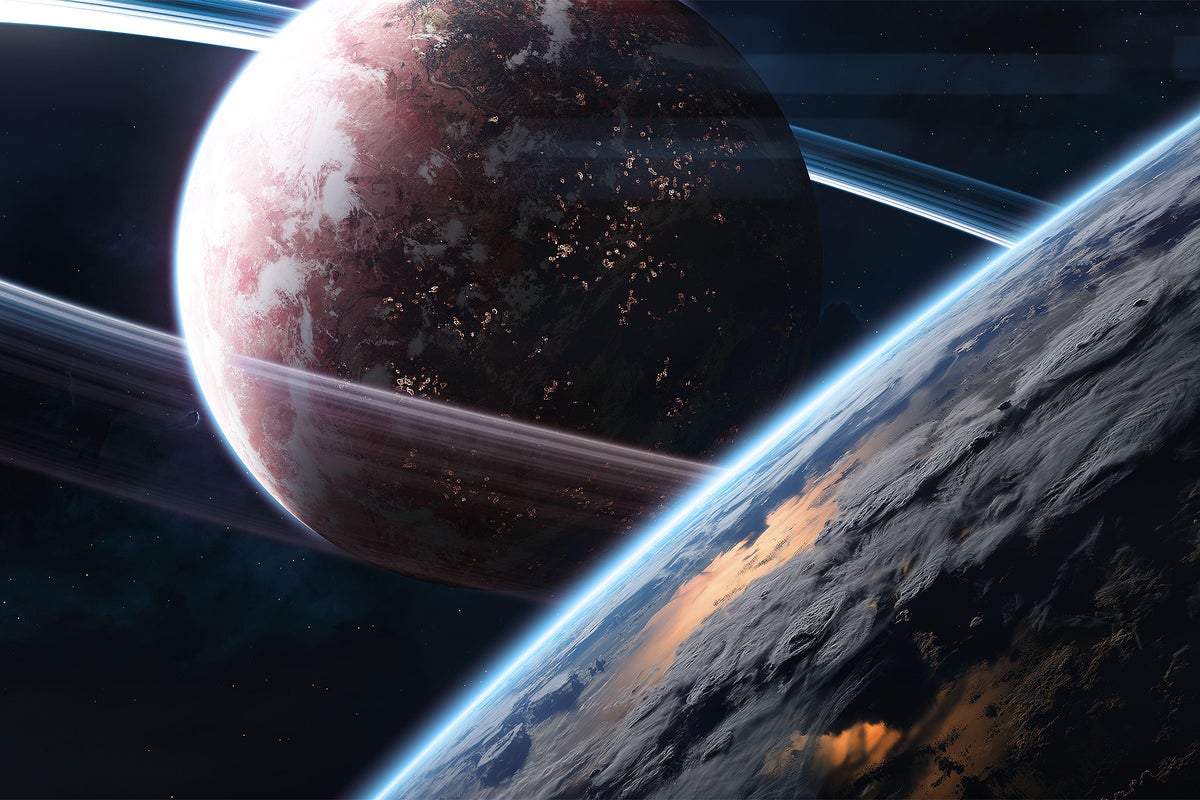
Another Earth or a blip in the data? We may never find out

An exoplanet called HD 137010 b might be the closest thing astronomers have ever seen to "Earth 2.0." The trouble is that it's only been seen once—and may never be glimpsed again

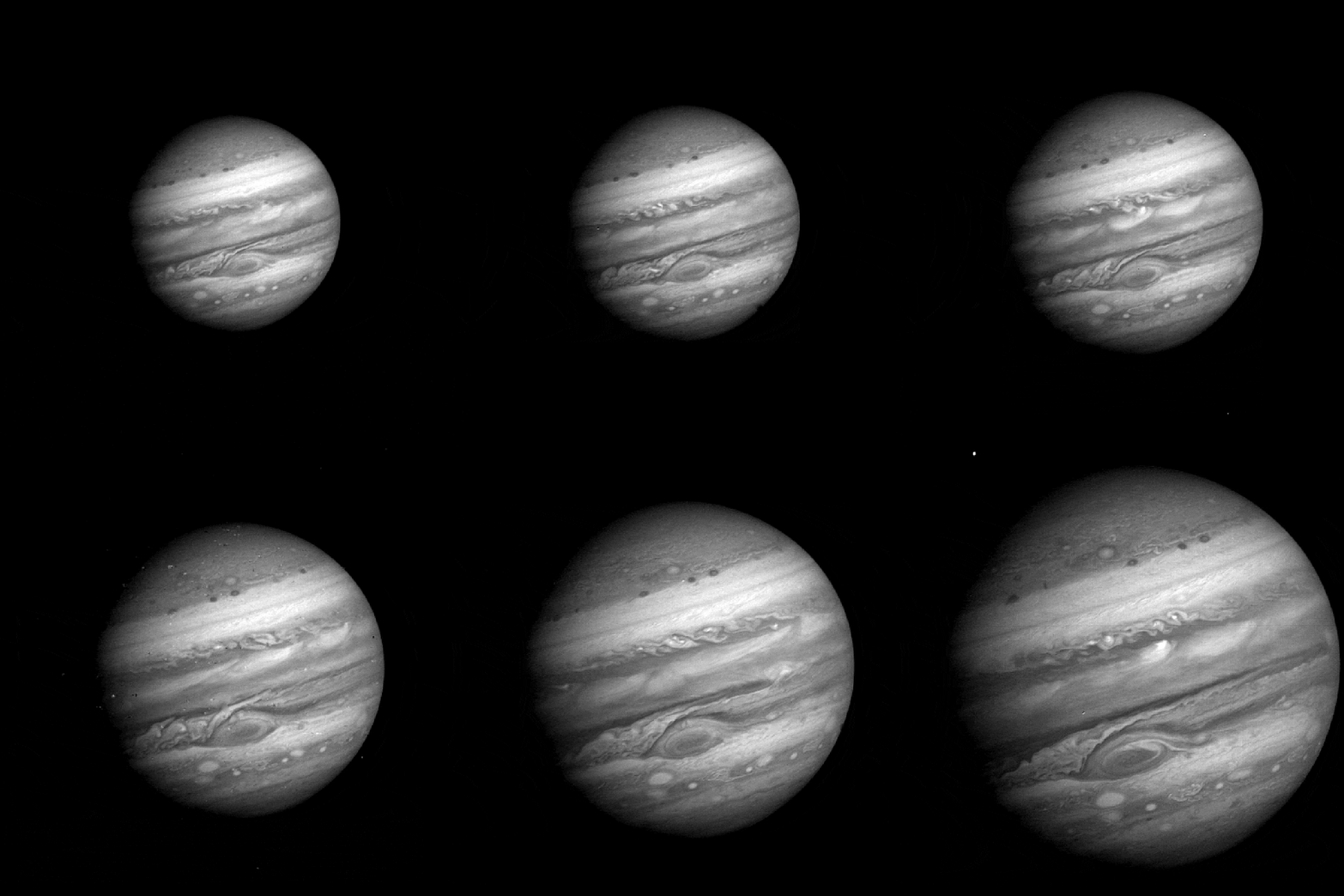
Jupiter isn't as huge as we thought it was

"Textbooks will need to be updated": the solar system's largest planet appears to be smaller and flatter than we knew

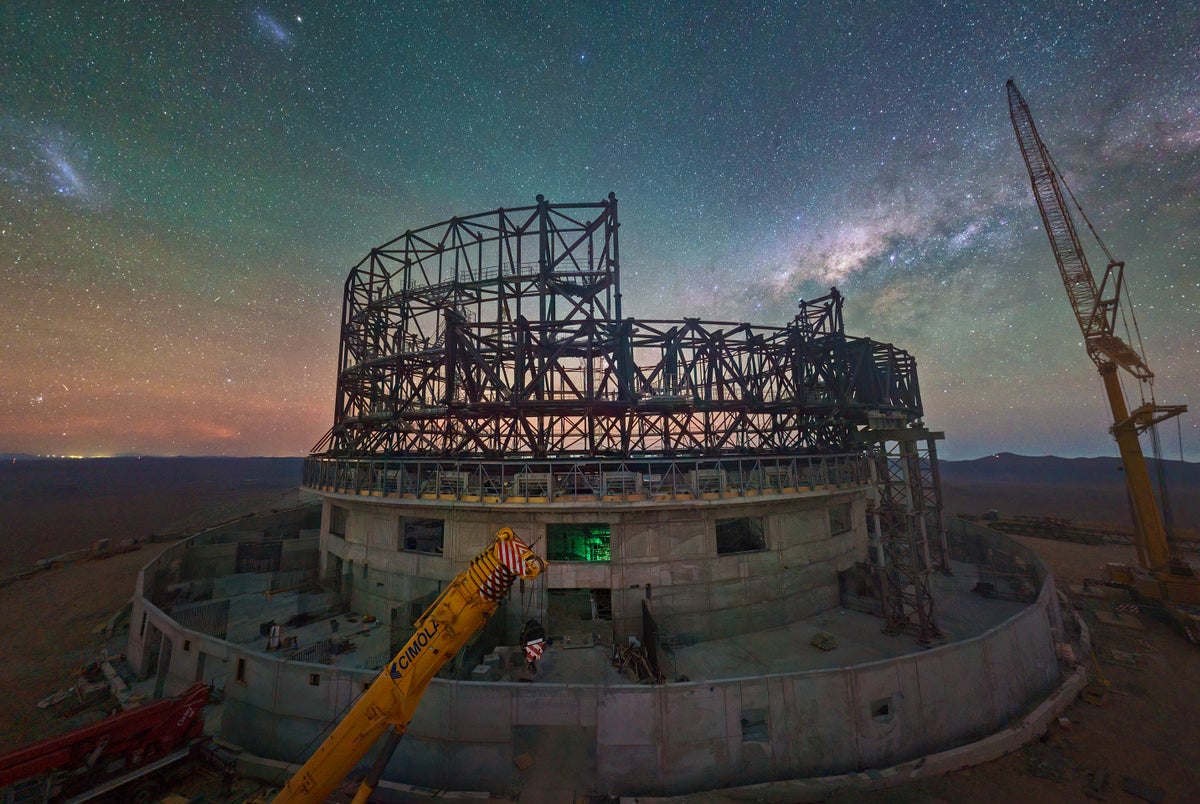
Astronomers declare rare dark-sky victory over scrapped energy project in Chile

After a year of protests from astronomers, authorities have abandoned plans for a giant, light-polluting renewable-energy facility in Chile's Atacama Desert

Physicists trace particles back to the quantum vacuum

Scientists have found "strange quarks" that originated as virtual particles that sprang from nothing

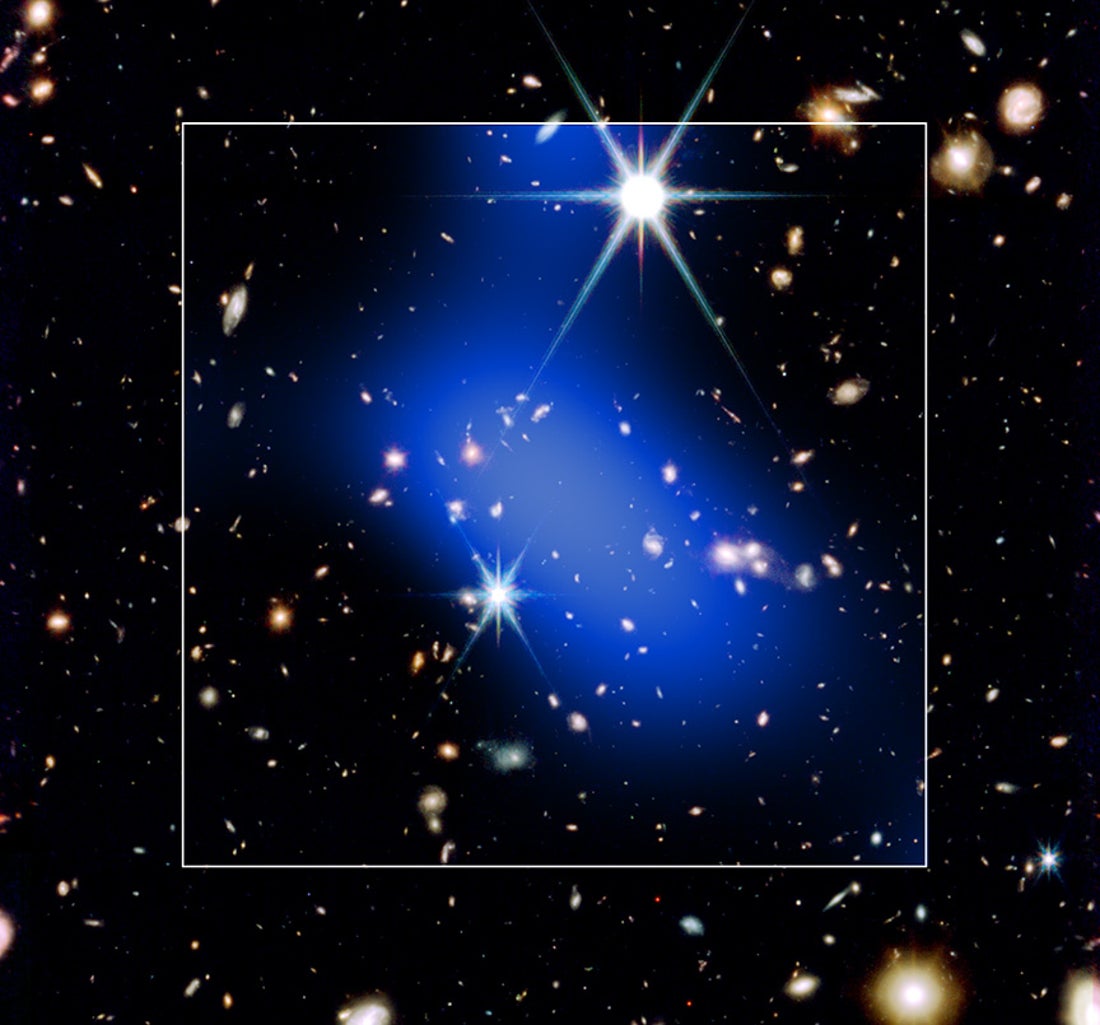
'Baby cluster' of galaxies may challenge cosmic models

Dating to only a billion years after the big bang, JADES-ID1 may be the earliest, most distant galaxy protocluster astronomers have ever seen

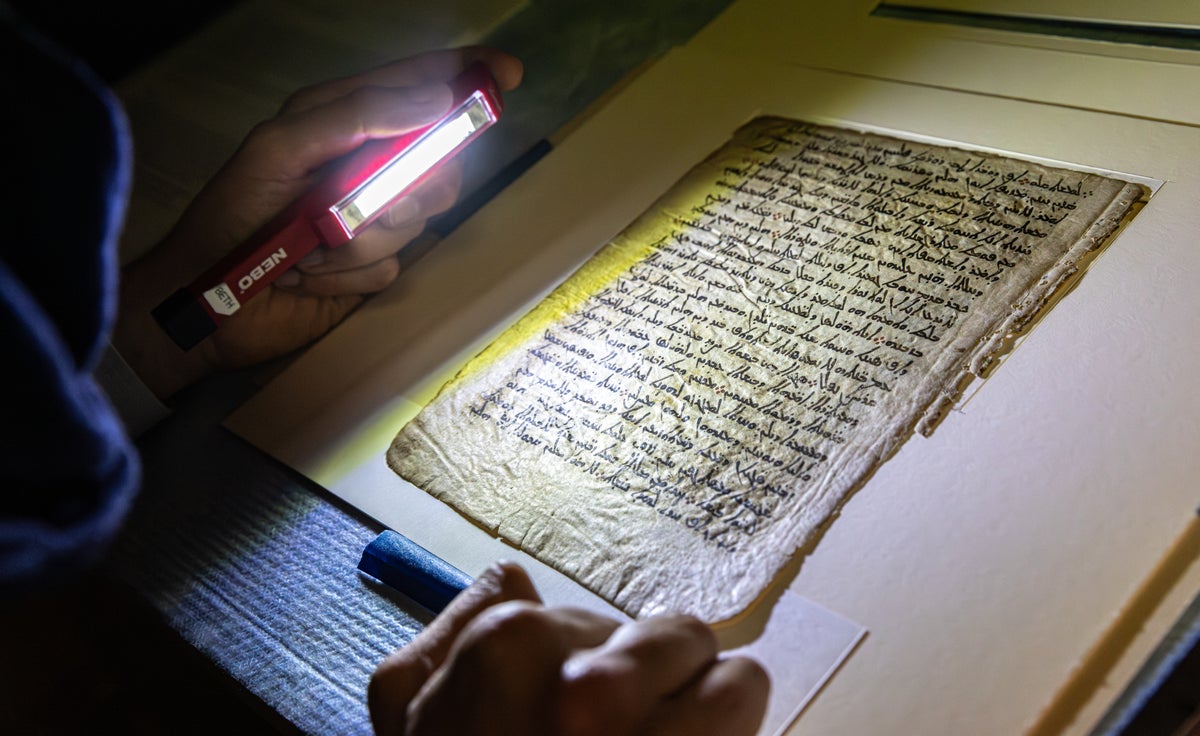
Lost ancient Greek star catalog decoded by particle accelerator

Synchrotron radiation has revealed a star map made by the ancient astronomer Hipparchus that was thought to be lost to time

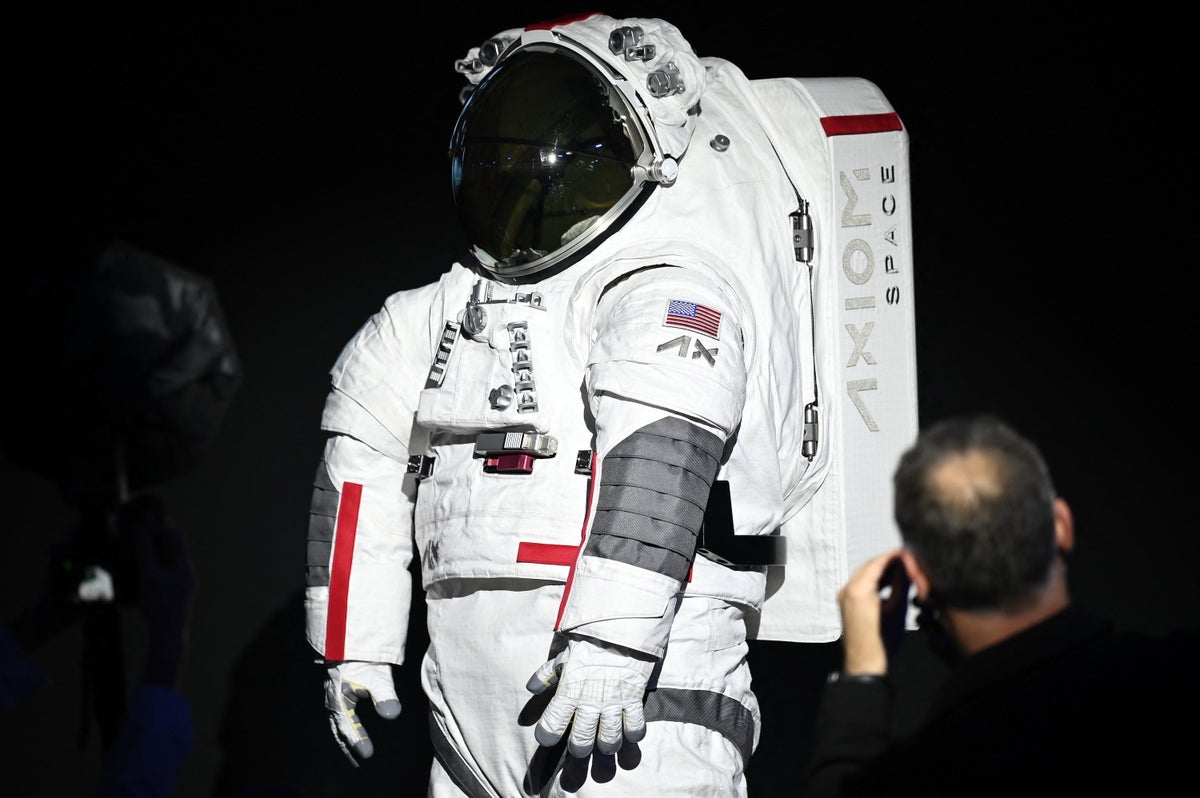
NASA's next space suit for Artemis has out-of-this-world mobility

Astronauts are flying to the moon for the first time since 1972, and scientists are preparing specialized space suits for the next milestone—landing there

NASA's Artemis II moon mission engulfed by debate over its controversial heat shield

Experts have sounded the alarm over NASA's decision to use a heat shield design for Artemis II that may be riskier than the space agency claims

What We're Reading
  • Jeff Bezos' rocket company, Blue Origin, pauses space tourism to focus on the moon. | The New York Times
  • U.S. House takes first step toward creating "commercial" deep-space program | Ars Technica
  • SpaceX's Starlink dodged 300,000 satellite collisions in 2025 | New Scientist

From the Archive
When We Find Earth 2.0, What's Next?

We're looking for another Earth. But how likely is it that we'll find a duplicate of home?

Scientist Pankaj

Today in Science: Old assumption about autism overturned

Plus, missing Russian moon lander found? ͏  ͏  ͏  ͏  ͏  ͏  ͏  ͏  ͏  ͏  ͏  ͏  ͏  ͏  ͏  ͏  ͏  ͏  ͏  ͏  ͏  ͏  ͏  ͏  ͏  ͏  ͏  ͏  ͏  ͏  ͏...