Plus, the best groundhog facts ͏ ͏ ͏ ͏ ͏ ͏ ͏ ͏ ͏ ͏ ͏ ͏ ͏ ͏ ͏ ͏ ͏ ͏ ͏ ͏ ͏ ͏ ͏ ͏ ͏ ͏ ͏ ͏ ͏ ͏ ͏ ͏ ͏ ͏ ͏ ͏ ͏ ͏ ͏ ͏ ͏ ͏ ͏ ͏ ͏ ͏ ͏ ͏ ͏ ͏ ͏ ͏ ͏ ͏ ͏ ͏ ͏ ͏ ͏ ͏ ͏ ͏ ͏ ͏ ͏ ͏ ͏ ͏ ͏ ͏ ͏ ͏ ͏ ͏ ͏ ͏ ͏ ͏ ͏ ͏ ͏ ͏ ͏ ͏ ͏ ͏ ͏ ͏ ͏ ͏ ͏ ͏ ͏ ͏ ͏ ͏ ͏ ͏ ͏ ͏ ͏ ͏ ͏ ͏ ͏ ͏ ͏ ͏ ͏ ͏ ͏ ͏ ͏ ͏ ͏ ͏ ͏ ͏ ͏ ͏ ͏ ͏ ͏ ͏ ͏ ͏ ͏ ͏ ͏ ͏ ͏ ͏ ͏ ͏ ͏ ͏ ͏ ͏ ͏ ͏ ͏ ͏ ͏ ͏ ͏ ͏ ͏ ͏ ͏ ͏
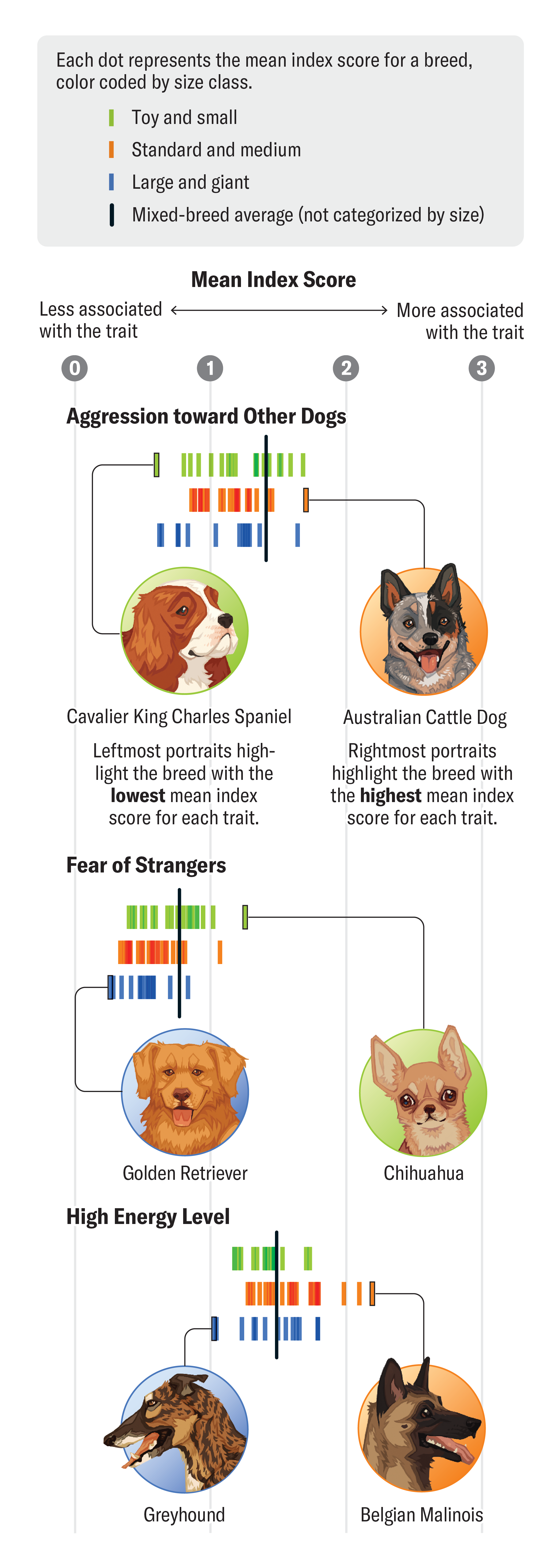
February 2, 2026—Happy Groundhog Day! My local rodent says we'll have six more weeks of winter, which I'm not exactly thrilled about. But science news keeps me warm. Read on for the scoop on declassified spy satellites, behavioral differences between dog breeds, and the awesome oddities of groundhogs. —Emma Gometz, Newsletter Editor | | Voyager's "Blue Movie" of Jupiter. NASA/JPL-Caltech | | Certain dog breeds are known for their characteristic behaviors. But where's the data on these doggie stereotypes? The Dog Aging Project, a long-term study on canine aging, has collected data on dog behavior from more than 50,000 owners, distilling the results into scores for traits like trainability, excitability and aggression. Scoring the dogs: The project sorted data from different dog breeds by their size and rated each single-breed dog on different traits. The data show that traits like fear of strangers, aggression and energy vary depending on the dog's size and breed. Some results weren't so surprising, for example, Chihuahuas showed the most fear of strangers. But other results were less expected: mixed breeds were consistently ranked less trainable and more afraid of strangers than purebreds. This might say less about genetics and more about how mixes more often contend with trauma early in life, whereas many purebred dogs get accustomed to people early. What the experts say: A dog's individual personality matters most, but understanding behavioral patterns between breeds can help improve the compatibility of people and their pets. "Dogs are entirely dependent on their owner," says veterinarian Audrey Ruple of the Virginia-Maryland College of Veterinary Medicine, a collaborator on the Dog Aging Project. A mismatch can be "devastating," but a good match can ensure dogs receive the care and affection they need. | | Miriam Quick, Lee Lotor and Jen Christiansen; Source: Dog Aging Project (DAP) https://data.dogagingproject.org/Index (data) | | | | |
Thirty €1 coins are arranged in a circle on a table. Ten of these coins are fake and a little lighter than the 20 real coins. You don't know where in the circle the fake coins are, but you have been told they are all directly next to one another in the circle. Your task is to find as many real coins as possible. To do this, you have at your disposal a beam balance, a device that can be used to compare the masses of two objects or sets of objects. Your beam balance does not have weights, and it can be used only once. Which coins should you weigh, and how many real coins can you definitely find? | | - Spit hoods are dangerous and dehumanizing for psychiatric patients. An investigation found they are used in at least 29 states. | The Seattle Times
- Data center energy demands are driving a boom in the U.S. gas industry. | WIRED
- Pollinators love the winner of the "world's ugliest lawn" competition. | The Guardian
| | I try to evaluate my own biases as much as possible, and it's fascinating to see data that upturned some of my expectations about dogs. Although the information on single breed dogs wasn't so applicable to my life—my family adopted our dog from a shelter, so mutts have always been our preferred "breed." Above all, whether the dog is friendly or shy, trainable or rowdy, it feels great to give a pet in need a loving home. Also, happy Monday! Thanks for your responses to last week's newsletter about Monday stress. I hope you can take a moment for a few deep breaths today—your health may thank you. | | Please send any other cool ideas, comments or feedback on this newsletter to: newsletters@sciam.com. See you tomorrow! —Emma Gometz, Newsletter Editor
| | | | |
Subscribe to this and all of our newsletters here. | | | | |