| | Created for ceo.studentlike.spuniv@blogger.com | Web Version | | | |  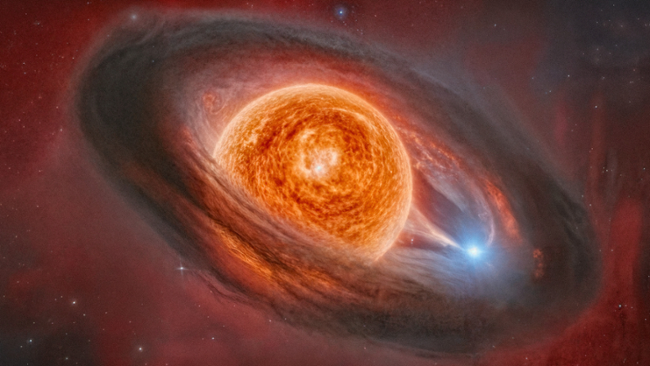 | | (Daniel Cea Martinez) | Happy Friday, Space Fans! Welcome to another edition of all the news that's fit for space and our top story today is a wild one from astronomy: Scientists found a star 1,540 times the size of our sun, then it got even bigger. So could it explode? Click the headline to find out. But that's not all. We've got a rare planet parade in the night sky this week, a report on the sun's impact on Artemis 2, a major shakeup in NASA spaceflight leadership and more. Check it out! | | | Space Quiz: Which planet is NOT in the 6 planet parade this weekend? | | | Experience double the power and clarity with Horizon IX - the world's first dual processing hearing aid. Ultra-sleek. German engineered. Crystal-clear speech understanding. Join 540,000+ customers hearing better than ever with a 45-day, no-risk trial. Discover clarity | | | | |  | Artemis 2: NASA's next moonshot | | 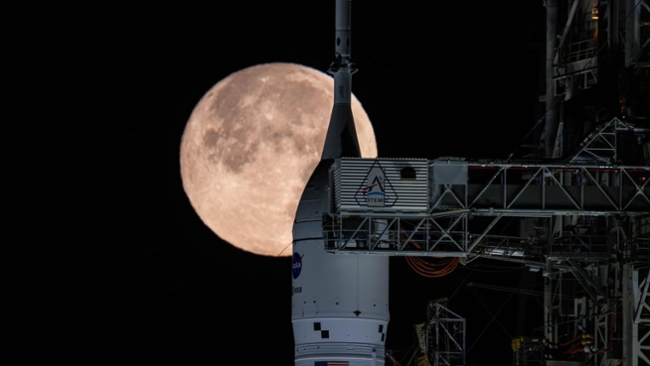 | | (NASA/Sam Lott)) | During the Apollo era, NASA dodged a bullet that a major solar storm did not erupt to threaten astronauts at the moon. But in 2026, the sun is more active and some scientists think it's a risky time to send astronauts back. Here's why. | | |  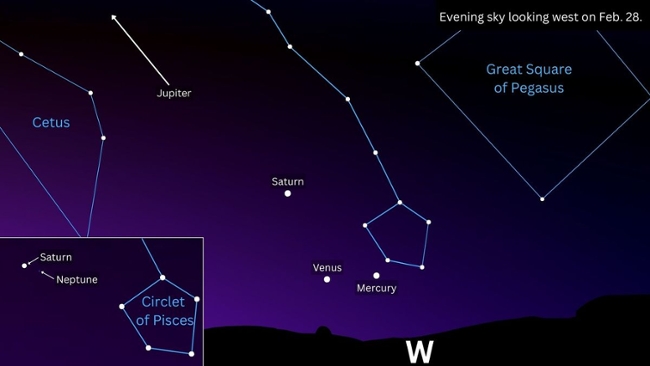 | | (Anthony Wood in Canva) | We promised you a planet parade and our Skywatching Team does not disappoint. Weather permitting, you'll be able to find Mercury, Venus, Jupiter, Saturn, Uranus and Neptune, but only if you know where to look. | | 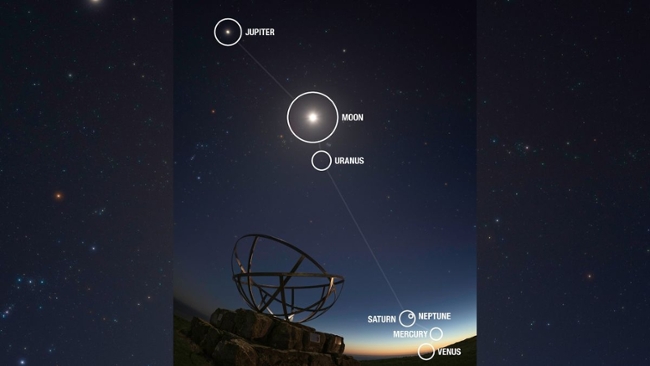 | | (Josh Dury) | Speaking of the planet parade, we're already getting amazing images of the planets all lined up. Check out this stunning view by award-winning astrophotgrapher Josh Drury, and how he did it. | | | 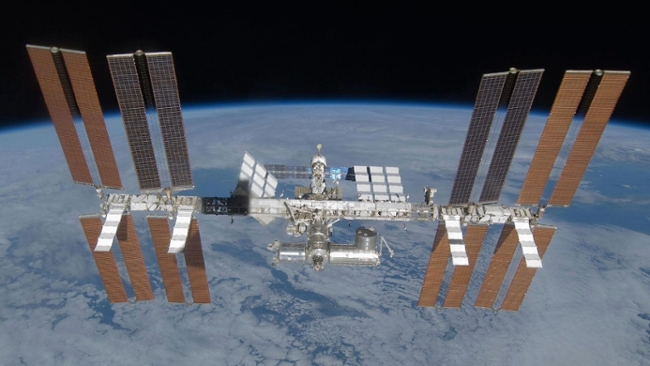 | | (NASA) | More down to Earth comes a report from NASA, where a major shakeup in leadership has occurred in the agency's human spaceflight program. Is it related to the agency's dire Boeing Starliner report last week? Here's what we know. | | | 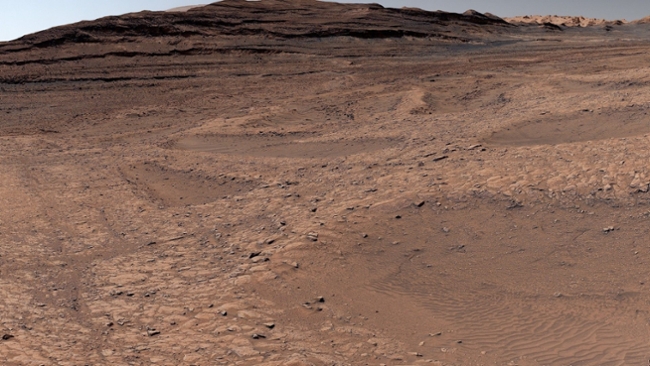 | | (NASA/JPL-Caltech/MSSS) | It's been nearly 14 years since NASA's Curiosity rover landed on Mars, but it's still making strange discoveries. Case in point: weird rocky "spiderwebs" that may reveal a glimpse into the planet's water history. | | |  | | (Getty Images) | Just one more thing about the planet parade we mentioned above. You may want to rethink your gear in order to get the best view of the planets. Here's a handy guide on what to consider. | | |  | | (Apple TV+) | We may all gazing at the planets peacefully this weekend, but things don't look that rosy on Mars on Apple TV if this new trailer for "For All Mankind" Season 5 is any indicator. | | |  | | (NASA/John Kraus) | Our space photo of the day is all about Artemis 2. NASA rolled the Space Launch System megarocket back to the Vehicle Assembly Building this week, which you can see here. And while it's beautful, it's not a great sign for NASA's return to moon. | |  | | (ESA/Webb, NASA, ESA, CSA/Robert Lea (Canva)) | On Feb. 27, 1942, a British physicist named James Stanley Hey accidentally found out that the sun emits radio waves. Who would have thought? See how it happened here. And that will be a wrap for your daily space shot for the week! Thanks for joining us and if you're headed out to see the planet parade, good luck and clear skies! (Send us photos at Spacephotos@space.com if you do!) Keep looking up! -- Tariq Malik Editor-in-Chief, Space.com | | | | Stay up-to-date on all things space science, news, and entertainment by subscribing to our newsletters. | |  | | | | | | | Future US LLC © | | Full 7th Floor, 130 West 42nd Street, New York, NY, 10036 | | | | |