Friday, December 12, 2025

Week in Science: Pompeii time capsule reveals Roman secret

December 12—This week, humans started using fire 350,000 years earlier than previously thought. Plus, leftover pizza is healthier for you, and mathematicians crack a fractal conjecture on chaos. All that and more below.

Andrea Gawrylewski, Chief Newsletter Editor

Tell us what you think about this newsletter! Email newsletters@sciam.com anytime.

Top Stories
Death by Fermented Food

Some fermenting foods can carry the risk of a bacterium that produces an extremely strong toxin called bongkrekic acid

Have Astronomers Found the True 'Star of Bethlehem'?

A scientist has identified a possible astronomical explanation for the Star of Bethlehem, as described in the Bible

Brought to you by Scientific American Travel
Limited Space Available for 2026 Mediterranean Eclipse Cruise

Join us! We secured additional cabins for our 2026 solar eclipse cruise. Reserve yours now for the experience of a lifetime: watching totality approach while surrounded by the sea, fellow science lovers and your trip leader, Senior Editor Clara Moskowitz. Learn More. 

Mathematicians Crack a Fractal Conjecture on Chaos

A type of chaos found in everything from prime numbers to turbulence can unify a pair of unrelated ideas, revealing a mysterious, deep connection that disappears without randomness

Why Leftover Pizza Might Actually Be Healthier

Researchers have discovered that cooling starchy foods—from pizza to rice—creates "resistant starch," a carb that behaves like fiber and alters your blood sugar response

Get a great holiday deal on a subscription to Scientific American. Supporting our work means amplifying science.
Are We Seeing the First Steps Toward AI Superintelligence?

Today's leading AI models can already write and refine their own software. The question is whether that self-improvement can ever snowball into true superintelligence

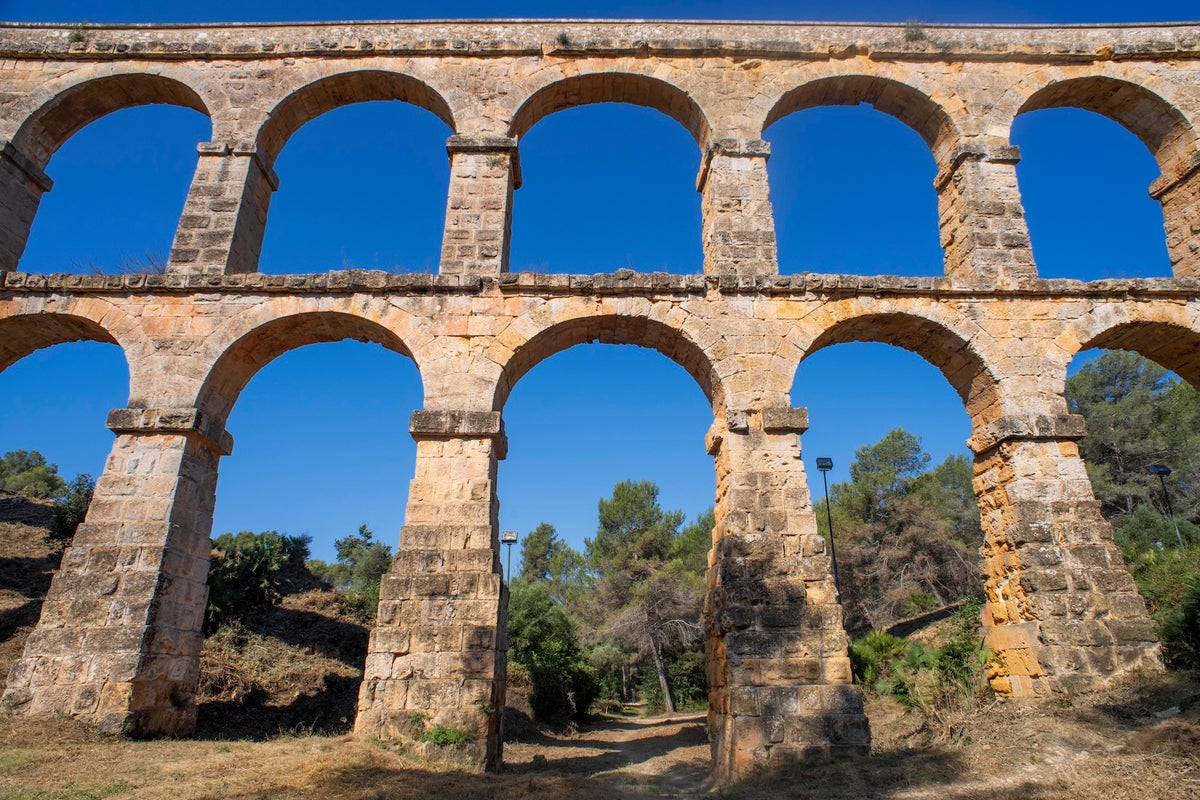
Pompeii Time Capsule Reveals Secrets to Durable Ancient Roman Cement

Lime granules trapped in ancient walls show Romans relied on a reactive hot-mix method to making concrete that could now inspire modern engineers

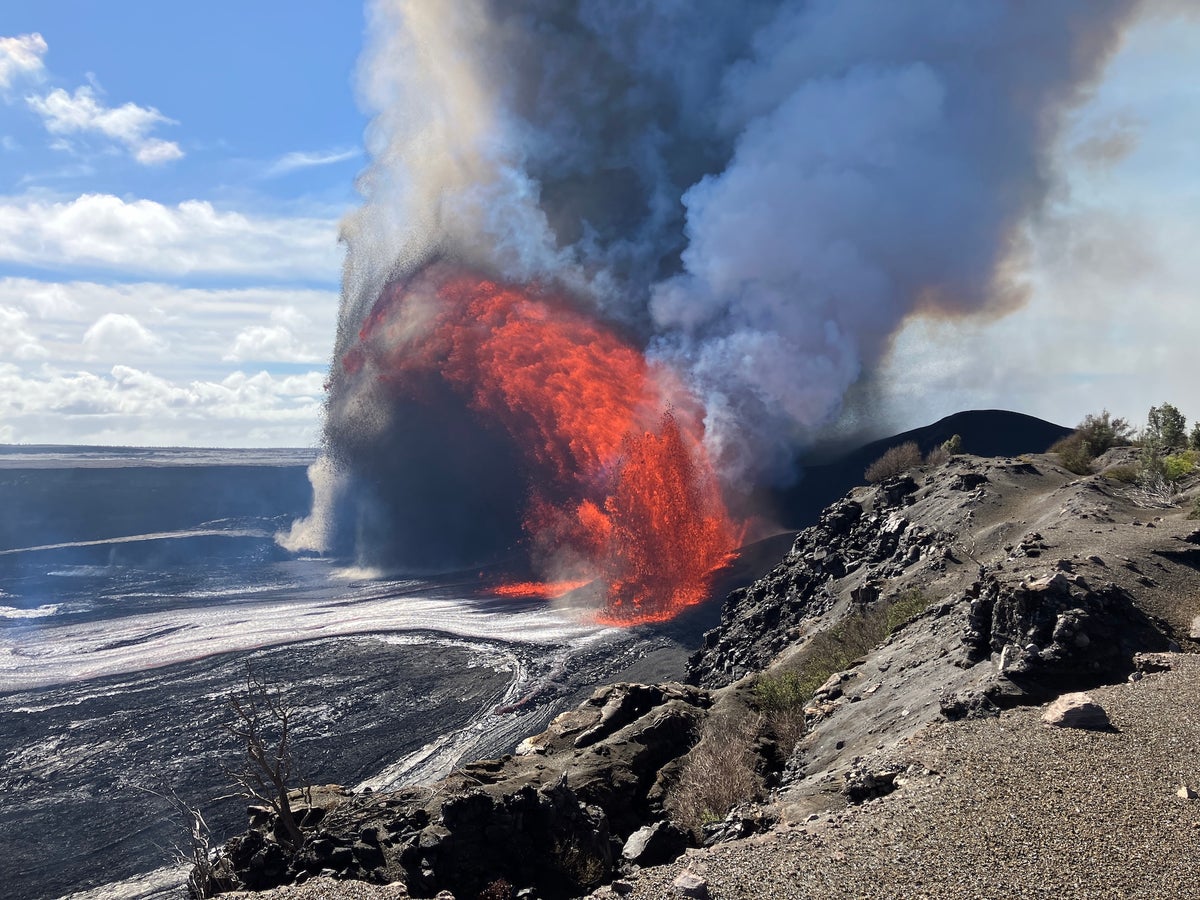
Hawaii's Kilauea Volcano Absolutely Destroys This Webcam in a Fiery New Video

Hawaii's Kilauea, one of Earth's most active volcanoes, sent lava fountains spewing into the air, obliterating a U.S. Geological Survey camera

AI Slop Is Spurring Record Requests for Imaginary Journals

The International Committee of the Red Cross warned that artificial intelligence models are making up research papers, journals and archives

A Vitamin Shot Given at Birth Prevents Lethal Brain Bleeds, but More Parents Are Opting Out

Vitamin K injections have prevented deadly brain bleeds in infants for more than 60 years. New research shows refusal rates have recently jumped nearly 80 percent

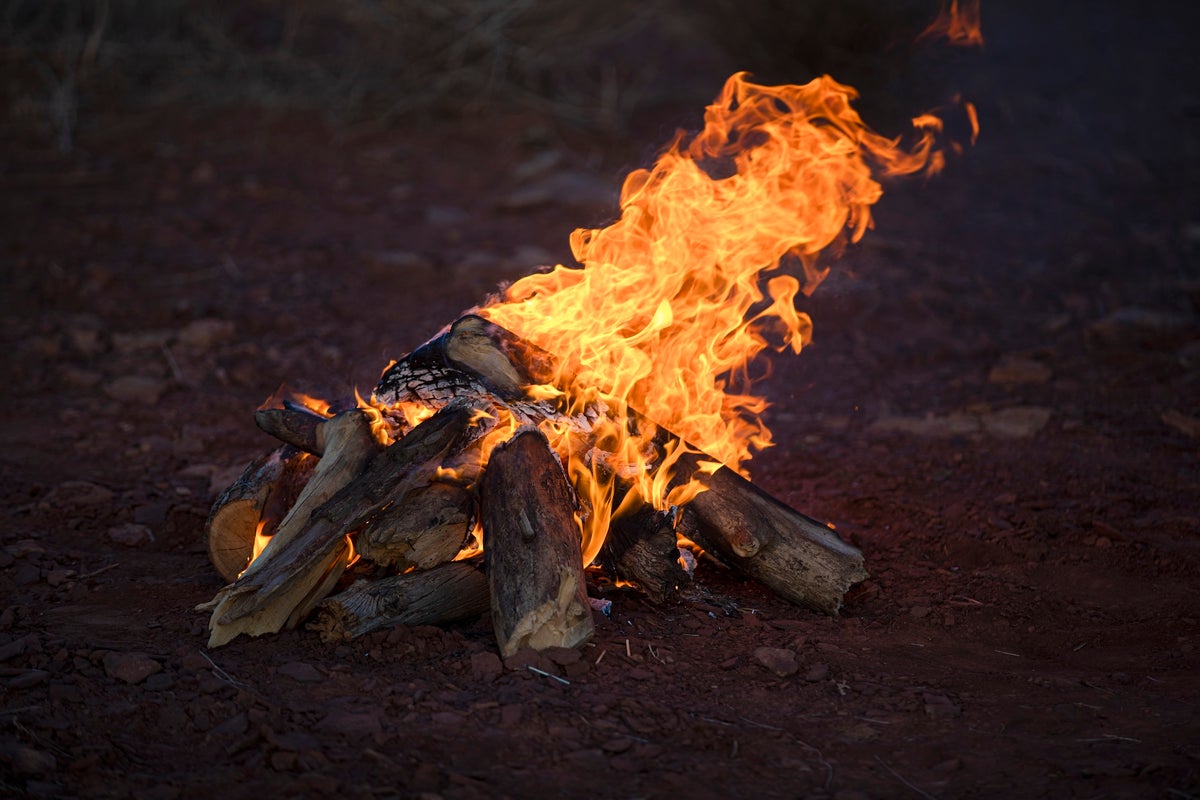
Ancient Humans Were Making Fire 350,000 Years Earlier Than Scientists Realized

Making fire on demand was a milestone in the lives of our early ancestors. But the question of when that skill first arose has been difficult for scientists to pin down

Why Are ADHD Rates On the Rise?

More than 1 in 10 children in the U.S. have ADHD, fueling debate over the condition and how to treat it

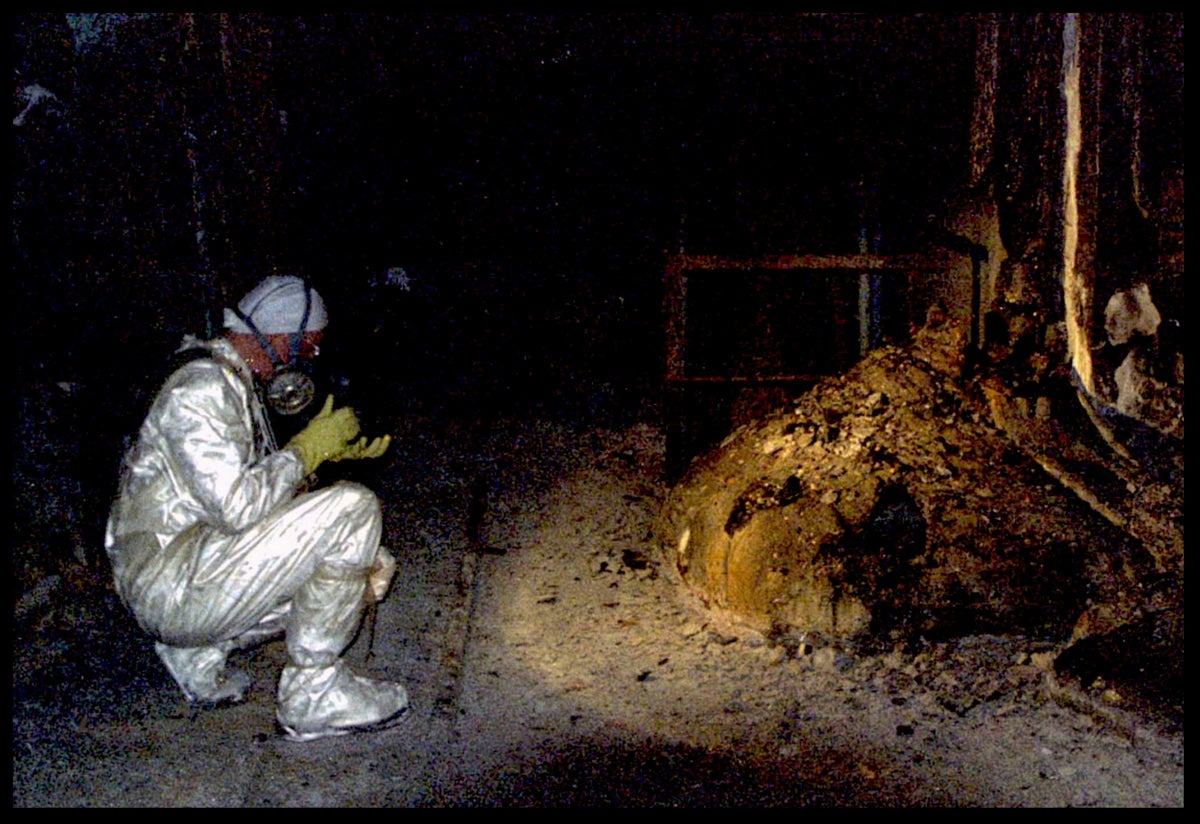
Chernobyl Nuclear Plant's Protective Shield Has Been Damaged for Months

The site of the world's worst nuclear disaster remains damaged, but so far, radiation levels outside the plant have not increased, according to officials


Scientist Pankaj

Today in Science: COVID vaccines slashed kids’ ER visits

A newsletter for unflinching, ever-curious science-lovers. ͏  ͏  ͏  ͏  ͏  ͏  ͏  ͏  ͏  ͏  ͏  ͏  ͏  ͏  ͏  ͏  ͏  ͏  ͏  ͏  ͏  ͏  ͏  ͏  ͏...