It's a measure of how well you respond to stress ͏ ͏ ͏ ͏ ͏ ͏ ͏ ͏ ͏ ͏ ͏ ͏ ͏ ͏ ͏ ͏ ͏ ͏ ͏ ͏ ͏ ͏ ͏ ͏ ͏ ͏ ͏ ͏ ͏ ͏ ͏ ͏ ͏ ͏ ͏ ͏ ͏ ͏ ͏ ͏ ͏ ͏ ͏ ͏ ͏ ͏ ͏ ͏ ͏ ͏ ͏ ͏ ͏ ͏ ͏ ͏ ͏ ͏ ͏ ͏ ͏ ͏ ͏ ͏ ͏ ͏ ͏ ͏ ͏ ͏ ͏ ͏ ͏ ͏ ͏ ͏ ͏ ͏ ͏ ͏ ͏ ͏ ͏ ͏ ͏ ͏ ͏ ͏ ͏ ͏ ͏ ͏ ͏ ͏ ͏ ͏ ͏ ͏ ͏ ͏ ͏ ͏ ͏ ͏ ͏ ͏ ͏ ͏ ͏ ͏ ͏ ͏ ͏ ͏ ͏ ͏ ͏ ͏ ͏ ͏ ͏ ͏ ͏ ͏ ͏ ͏ ͏ ͏ ͏ ͏ ͏ ͏ ͏ ͏ ͏ ͏ ͏ ͏ ͏ ͏ ͏ ͏ ͏ ͏ ͏ ͏ ͏ ͏ ͏ ͏
December 18, 2025—Rising global temperatures spell trouble for several reptile species. Plus, why an irregular heartbeat is good for you and a bizarre new 4D shape. —Andrea Gawrylewski, Chief Newsletter Editor | | LAGUNA DESIGN/SCIENCE PHOTO LIBRARY/Getty Images | | Wearable fitness trackers, smart rings and watches are commonplace, and now so is knowing details about your own body's inner workings. One metric, once niche, has gone mainstream: heart rate variability, or HRV. Millions of people now wake up to daily HRV scores, alerts, and color-coded judgments about stress and recovery.
Real-world application: A high HRV (closer to 70) indicates the body is adapting to stressors and can recover more quickly. It's a sign of a balanced autonomic nervous system and a higher level of cardiovascular fitness. Low HRV signals the opposite—that the body is less able to adjust to the ups and downs of life. Stress, anxiety, high blood pressure, inadequate sleep, dehydration and new medicines are among the many things that can lower HRV.
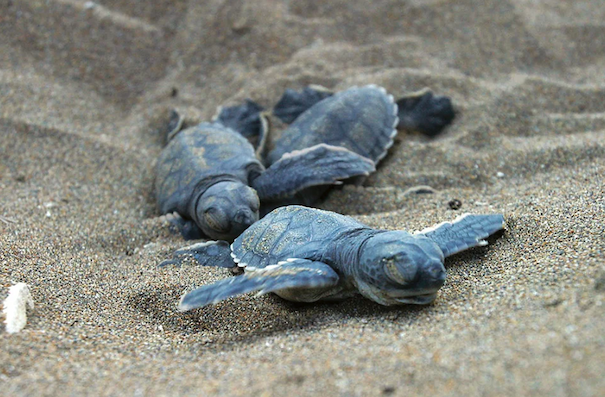
What the experts say: What's more important for the average person, experts say, is the relative change over time. "HRV is most powerful when you're measuring it over several weeks and can see a graphic trend on how it's being affected by everything that's going on in your life," says Bryan Wilner, an electrophysiologist at the Baptist Health Miami Cardiac and Vascular Institute. Drinking more water and doing strenuous exercise are two ways to improve HRV. | | Newly hatched green sea turtles climb across the sand at Alagadi Beach on the island of Cyprus. The high temperatures of the turtle nests there produce broods that are almost entirely female.Laura Boushnak/AFP via Getty Images | | For many species of reptiles, whether their offspring develop into males or females is dictated by temperature. For example, for green sea turtles, if the temperature of the sand where mothers bury their eggs is about 29 degrees Celsius (84 degrees Fahrenheit) during a critical mid-incubation window, the babies will hatch as a half-and-half mix of females and males. But the hotter the nest, the more they will skew female. The opposite is true for the American alligator: If their eggs incubate at a little below 32 degrees C, they'll hatch as an even mix of males and females. If they incubate above this temperature, more hatchlings will be male (if the temperature gets hot enough, the ratio will skew back toward females). Scientists have predicted nearly single-sex generations of alligators by the year 2100.
Why this matters: If rising global temperatures mean entire generations of sexually reproducing reptiles will be dramatically skewed male or female, such imbalances could doom species, writes Elizabeth Preston: mating opportunities will decline and populations might become inbred as surviving members of species struggle to find mates.
What the experts say: Some species may be capable of adapting their nesting habits to account for warmer temperatures–one study on wild painted sea turtles from different climates found that the mothers adjusted where they bury their eggs depending on current conditions. But altering nesting behaviors assumes that all species have enough physical spaces in which to do that, which isn't the case. Many species are enduring drastic habitat loss from human activities. In our human-dominated world, says Benjamin Parrott, an ecologist at the University of Georgia, migration might not be a feasible solution. "I don't think people in D.C. are going to tolerate gators in the Potomac," he says. | | | | |
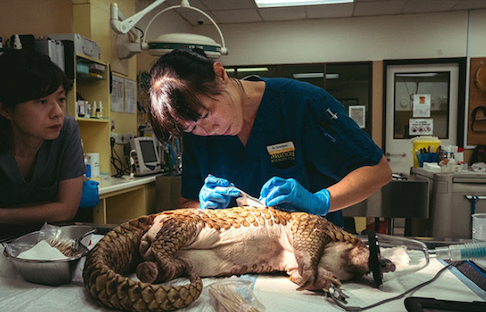
- Charlene Yeong works as a veterinarian at the Singapore Zoo. She uses the zoo's facilities to treat both the park's animals and wild ones. Here, she examines Berani, a Sunda pangolin (Manis javanica) that was brought to the zoo in 2018 after being injured, probably by a driver. "We'll treat anything from pangolins to frogs, to primates such as langurs and orangutans, and even elephants; we see more than 4,000 animals a year," she says. (Nature | 3 min read)
| | I've heard many anecdotes of wearable fitness trackers alerting their owners of serious heart problems or potential pulmonary embolisms. The value of such devices seems to walk a fine line: on one hand they might save your life, but on the other they risk creating obsessive monitoring or worry in the person wearing them. I've never had much interest in wearing a personal fitness tracker and cannot bring myself to wear accessories overnight (and barely throughout the day). What about you? Do you track your metrics 24-7 and what does it add to your life and health? I'm curious. | | —Andrea Gawrylewski, Chief Newsletter Editor
| | | | |
Subscribe to this and all of our newsletters here. | | | | |