A daily read for the sci-curious ͏ ͏ ͏ ͏ ͏ ͏ ͏ ͏ ͏ ͏ ͏ ͏ ͏ ͏ ͏ ͏ ͏ ͏ ͏ ͏ ͏ ͏ ͏ ͏ ͏ ͏ ͏ ͏ ͏ ͏ ͏ ͏ ͏ ͏ ͏ ͏ ͏ ͏ ͏ ͏ ͏ ͏ ͏ ͏ ͏ ͏ ͏ ͏ ͏ ͏ ͏ ͏ ͏ ͏ ͏ ͏ ͏ ͏ ͏ ͏ ͏ ͏ ͏ ͏ ͏ ͏ ͏ ͏ ͏ ͏ ͏ ͏ ͏ ͏ ͏ ͏ ͏ ͏ ͏ ͏ ͏ ͏ ͏ ͏ ͏ ͏ ͏ ͏ ͏ ͏ ͏ ͏ ͏ ͏ ͏ ͏ ͏ ͏ ͏ ͏ ͏ ͏ ͏ ͏ ͏ ͏ ͏ ͏ ͏ ͏ ͏ ͏ ͏ ͏ ͏ ͏ ͏ ͏ ͏ ͏ ͏ ͏ ͏ ͏ ͏ ͏ ͏ ͏ ͏ ͏ ͏ ͏ ͏ ͏ ͏ ͏ ͏ ͏ ͏ ͏ ͏ ͏ ͏ ͏ ͏ ͏ ͏ ͏ ͏ ͏
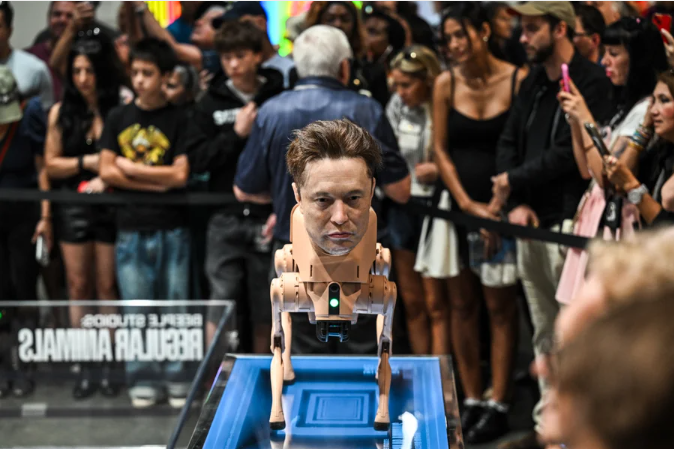
December 11, 2025—The U.S.'s measles-free status, teen AI chatbot use and robots with wax heads of tech titans. —Robin Lloyd, Contributing Editor | | A wax head of Elon Musk is seen on a robot dog as a part of an art installation by digital artist Mike Winkelmann during Art Basel 2025 in Miami Beach, Florida. CHANDAN KHANNA / AFP via Getty Images | | - A recent art exhibit in Miami featured hyperrealistic wax heads of famous billionaires and artists atop robot quadrupeds, lampooning tech power. | 3 min read
- Measles outbreaks, sickening more than 1,900 people, mostly children, have accelerated this year as the U.S. inches closer to a disease tipping point. | 2 min read
- People are using TikTok to sell endangered animals to eat, underscoring the role of social media in the global illegal wildlife trade. | 3 min read
- Women diagnosed with common and often missed growths called uterine fibroids had a dramatically higher risk of heart disease than their peers did, a new study finds | 2 min read
- A mechanism for how COVID vaccines may, in rare cases, drive heart inflammation, has been identified in a new study. COVID itself also can cause this inflammation. | 3 min read
- Killer whales and dolphins may team up to hunt salmon, new observations suggest. | 2 min read
| | - Join us tomorrow for an engaging conversation with David M. Ewalt, Scientific American's new Editor in Chief, interviewed by Jeanna Bryner, Executive Editor. Discover the editorial vision behind one of the world's most respected science publications and gain insights into the evolving landscape of science journalism. Live, online event reserved for subscribers.
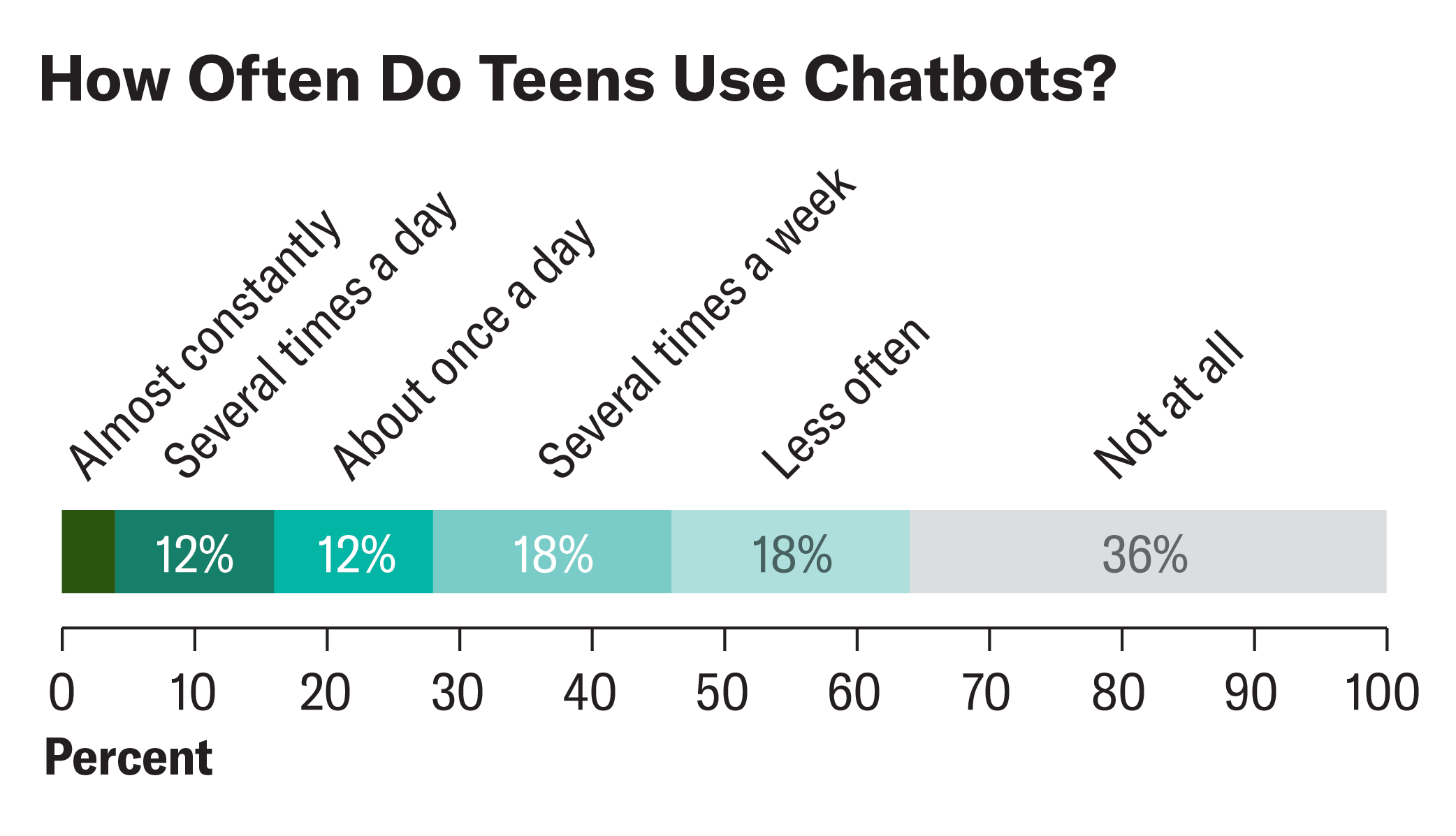
Already a subscriber? Sign in to register by clicking on the black banner at the top of our home page. | | A majority of U.S. teens between the ages of 13 and 17 have used an AI chatbot and more than a quarter of teens use such tools habitually, a new Pew Research Center survey reveals. Chatbots such as ChatGPT and Gemini are available all the time, project confidence and seemingly convey empathy, making them especially attractive to teens seeking mental health counseling and other types of support.
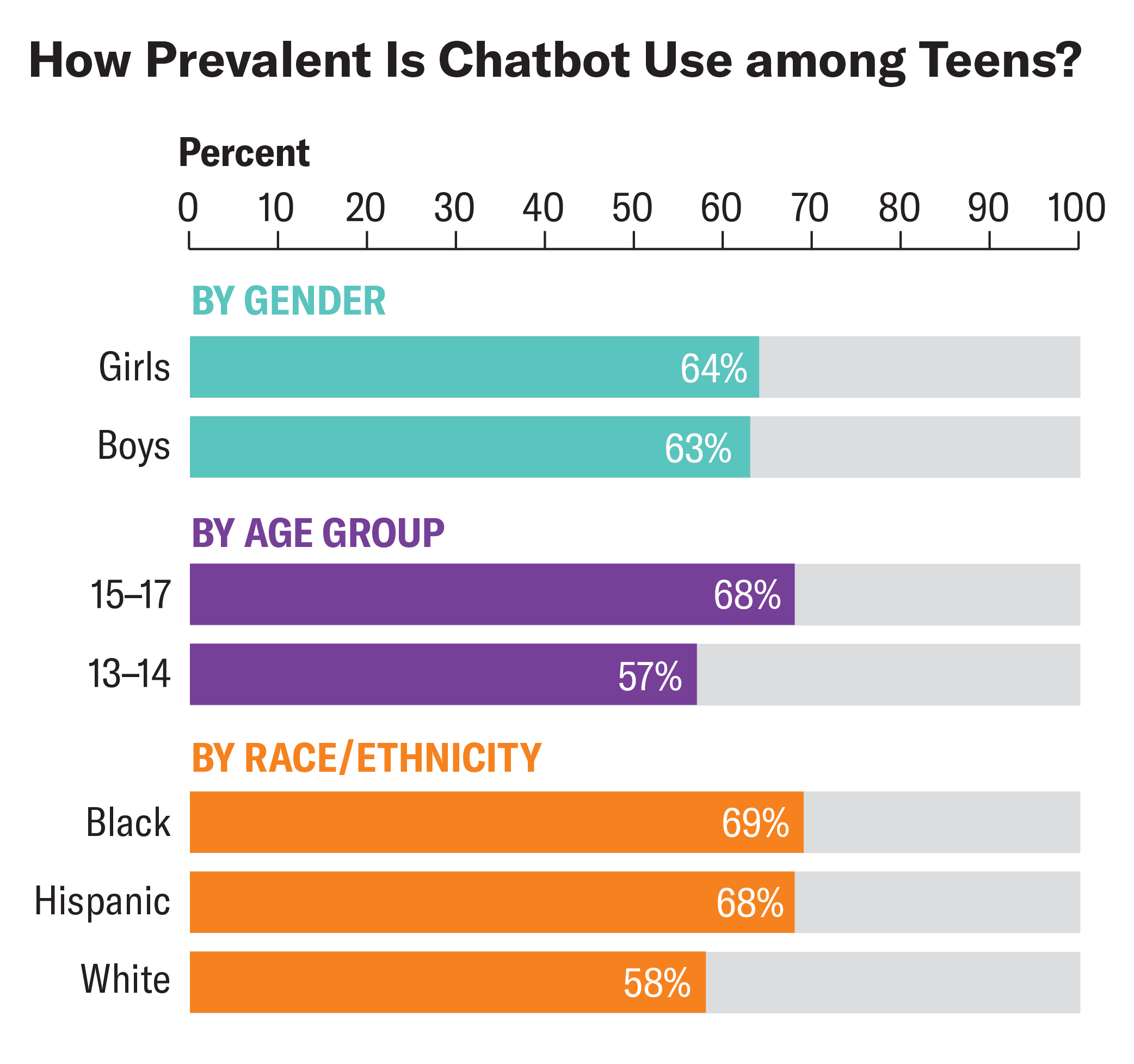
Why this matters: Amid concerns about the effects of social media and AI on teens' mental health, chatbots already are "embedded in teens' lives while policy makers argue over how to best regulate them," reports Scientific American tech editor Eric Sullivan. Guardrails on teens' use of AI chatbots could include design features and age limits on the use of AI companions. | | How it works: The usage patterns among Black, Hispanic and white teens shown below reflect similar trends among adults using AI chatbots. | | | | |
Limited Space Available for 2026 Mediterranean Eclipse Cruise | | Join us! We secured additional cabins for our 2026 solar eclipse cruise. Reserve yours now for the experience of a lifetime: watching totality approach while surrounded by the sea, fellow science lovers and your trip leader, Senior Editor Clara Moskowitz. | | | | |
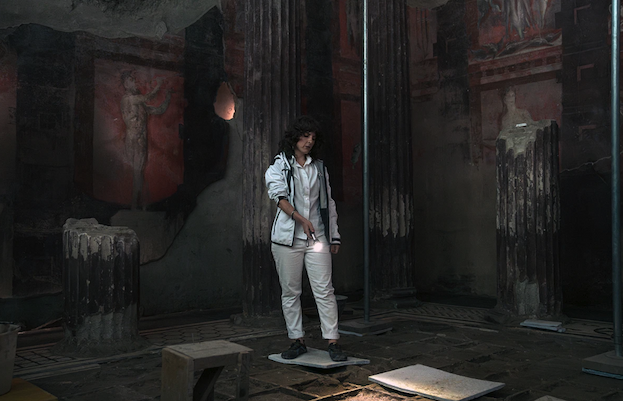
- Art conservator and restorer Ludovica Alesse works to safeguard ancient Roman frescoes unearthed in the excavations of Pompeii. "Every dig is a race against time: objects that have rested underground for two millennia suddenly face sunlight, air and humidity," she says. The city "is a global treasure, but also a cemetery. Preserving it means balancing scientific study with respect for the dead." Nature | 3 min read
| | It's National Radio Day! Chicago's "Make Me Smile" was playing when I clicked on the national day calendar's "Listen Live" button—from 1970. As you might imagine or recall to some extent, Scientific American's coverage of radio technology has been unstinting for more than a century, from its underpinnings to its more recent iterations and applications. Hope you get a chance to browse our archives for pieces by and/or about Tesla, Marconi and colleagues. | | Please send any cool ideas, comments or feedback on this newsletter to: newsletters@sciam.com. See you tomorrow! —Robin Lloyd, Contributing Editor
| | | | |
Subscribe to this and all of our newsletters here. | | | | |