Read for the latest discoveries, wonder and awe in science ͏ ͏ ͏ ͏ ͏ ͏ ͏ ͏ ͏ ͏ ͏ ͏ ͏ ͏ ͏ ͏ ͏ ͏ ͏ ͏ ͏ ͏ ͏ ͏ ͏ ͏ ͏ ͏ ͏ ͏ ͏ ͏ ͏ ͏ ͏ ͏ ͏ ͏ ͏ ͏ ͏ ͏ ͏ ͏ ͏ ͏ ͏ ͏ ͏ ͏ ͏ ͏ ͏ ͏ ͏ ͏ ͏ ͏ ͏ ͏ ͏ ͏ ͏ ͏ ͏ ͏ ͏ ͏ ͏ ͏ ͏ ͏ ͏ ͏ ͏ ͏ ͏ ͏ ͏ ͏ ͏ ͏ ͏ ͏ ͏ ͏ ͏ ͏ ͏ ͏ ͏ ͏ ͏ ͏ ͏ ͏ ͏ ͏ ͏ ͏ ͏ ͏ ͏ ͏ ͏ ͏ ͏ ͏ ͏ ͏ ͏ ͏ ͏ ͏ ͏ ͏ ͏ ͏ ͏ ͏ ͏ ͏ ͏ ͏ ͏ ͏ ͏ ͏ ͏ ͏ ͏ ͏ ͏ ͏ ͏ ͏ ͏ ͏ ͏ ͏ ͏ ͏ ͏ ͏ ͏ ͏ ͏ ͏ ͏ ͏
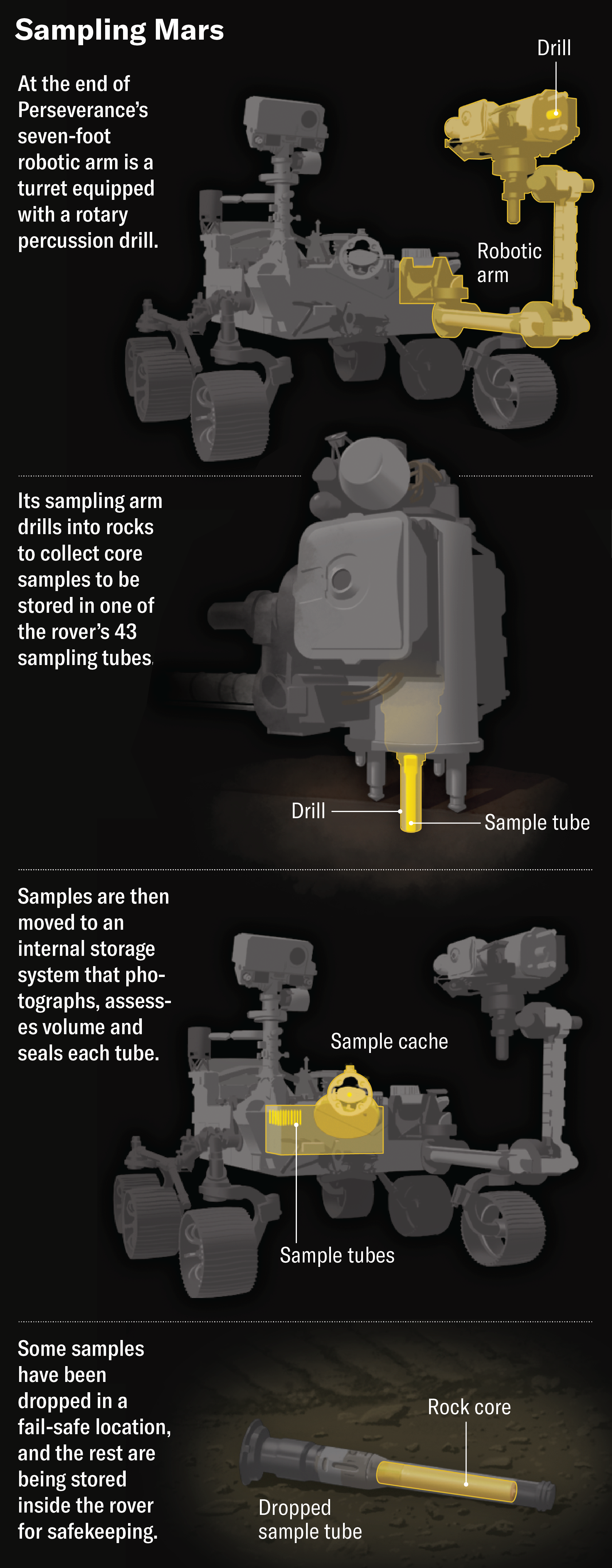
December 2, 2025—The Mars rover Perseverance has collected dozens of samples, but they may never get back to Earth. Plus, the strong evidence for giving the hep B vaccines to newborns and a messy winter storm on the East Coast. —Andrea Gawrylewski, Chief Newsletter Editor | | A cargo plane takes off from a runway after a winter snowstorm affected the area at O'Hare International airport on November 30, 2025, in Chicago, Ill. Jim Vondruska/Getty Images | | In 2021, NASA's Mars rover Perseverance landed inside Jezero Crater, a 28-mile-wide (45-kilometer) gash on the Red Planet's surface. Since touchdown, it has traveled about 23 miles toward the rim of the crater and collected dozens of rock samples from the surface. But scientists may never get the chance to study those samples; in May, the Trump Administration released its budget, which cancels the project to return the Mars samples to Earth and makes other widespread funding cuts to NASA programs. | | Why this matters: One rock visited by Perseverance, called Cheyava Falls, is speckled with iron-rich minerals that might signal past life on Mars, scientists announced in September. Such minerals on Earth usually signal that microbes once lived there. We know that some three billion to four billion years ago Mars was warm and wet, with lakes and seas on its surface. But we don't know if life ever arose, and the Mars samples are key to determining that. What can be done: A call went out to commercial companies to submit proposals to get the samples back to Earth, and about a dozen came in by the end of 2024, including from SpaceX and Blue Origin. So far, no decision has been made as to which mission to pursue, if any, and the window for planning a mission is closing.
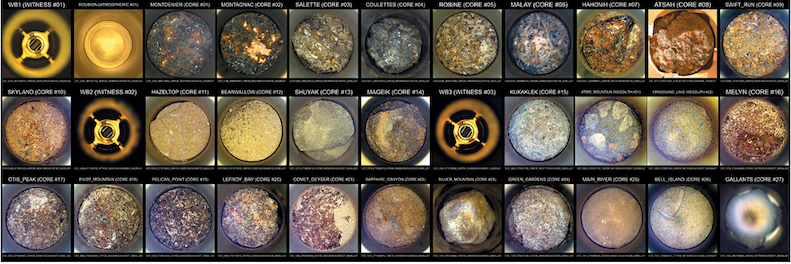
What the experts say: The planetary science community is nearly unanimous about the mission being a top priority. "We have decades of people pointing to this and saying this is the thing we want to do now," says Paul Byrne, a planetary scientist at Washington University in St. Louis. "I don't know if the community can be any louder or more fervent." | | This composite image shows the 33 sample tubes filled by the Perseverance rover as of July 2025, when it had spent 1,574 Martian days (or sols) on the Red Planet. Its collection includes 27 rock cores, two samples of regolith (Mars dirt, made of mixed rock and dust), and one atmospheric sample. The remaining three tubes are witness tubes, which Perseverance used to check how clean its sampling system was. NASA/JPL-Caltech | | | | |
- Try to unscramble this jigsaw puzzle of our April 1954 issue cover. The image is a reproduction of a 1493 woodcut depicting the city of Pisa. It relates to an article about what a city's physical form can tell you about its culture and more.
| | As journalist Jonathan O'Callaghan reported in 2023, Perseverance dropped 10 sample tubes at a site called "Three Forks" as a contingency plan in case the rover failed later in its journey. This means that any other mission that might successfully land on Mars could pick up the samples and bring them back to Earth. If NASA can't figure out a plan, China aims to launch its Tianwen-3 mission to Mars in 2028 and possibly grab those samples. "Why not?" Jim Green, former NASA chief scientist and former director of NASA's Planetary Science Division, told O'Callaghan. "There's nothing on [the tubes] that says 'Property of the United States.'"
| | We always like to hear from you. Please send thoughts, queries and other feedback to us at: newsletters@sciam.com. —Andrea Gawrylewski, Chief Newsletter Editor
| | | | |
Subscribe to this and all of our newsletters here. | | | | |