Thursday, December 11, 2025

Space & Physics: A new explanation for the "Star of Bethlehem"

December 11 — This week, we're examining a new astronomical explanation for the storied "Star of Bethlehem," explaining the sudden push for orbital data centers, exploring the world-changing implications of a global push for reusable rocketry, and more. Enjoy!

And don't miss what should be a spectacular stargazing event this weekend, when the annual Geminids meteor shower reaches its peak.

One minor note: This is my final newsletter of the year, as starting next week I'll be away on much-needed vacation time for the remainder of 2025. My colleague, Andrea Gawrylewski, will be sending out this newsletter to you next week in my stead. Happy Holidays, everyone. See you in 2026.

Thoughts? Questions? Let me know via e-mail (lbillings@sciam.com), Twitter or Bluesky.

Lee Billings, Senior Editor, Physical Sciences

Top Stories
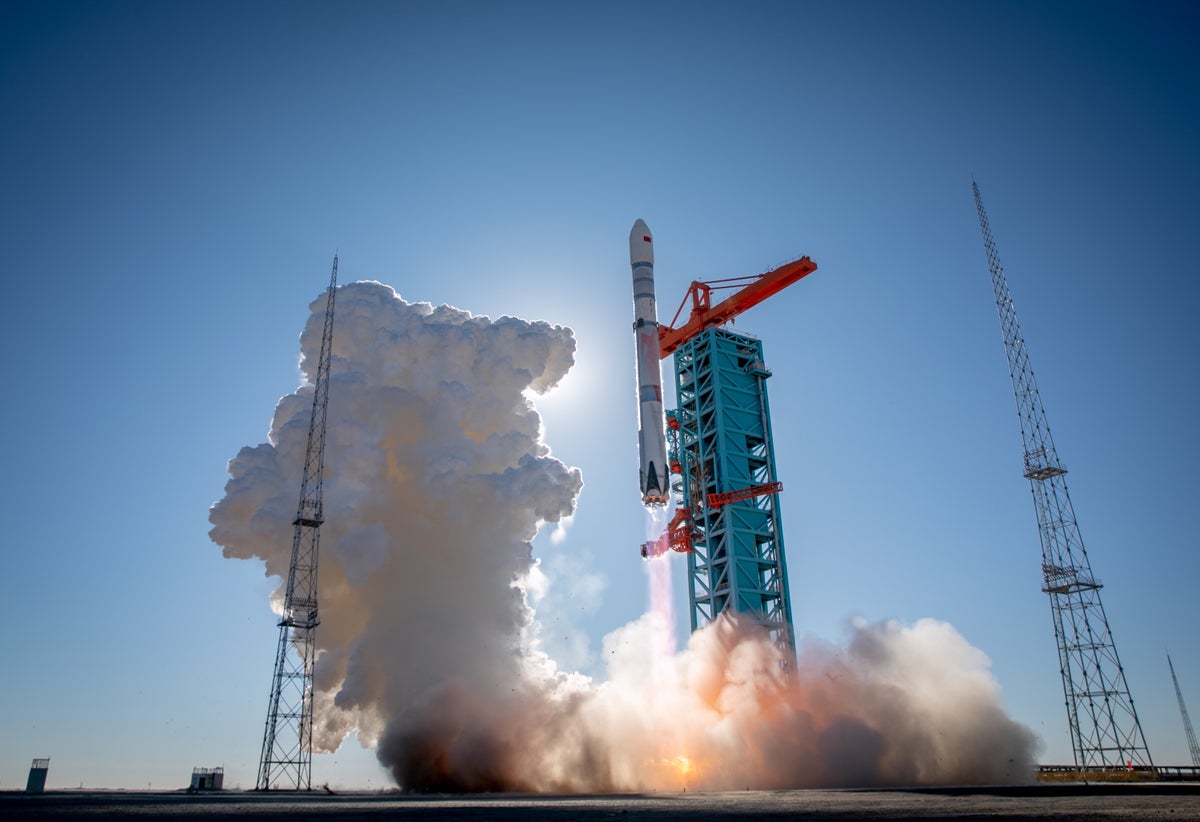
China's First Reusable Rocket Fails, but the Race Is Just Beginning

A partially successful test of China's Zhuque-3 rocket shows that other countries are rapidly catching up with the U.S in the race for reusable rocketry

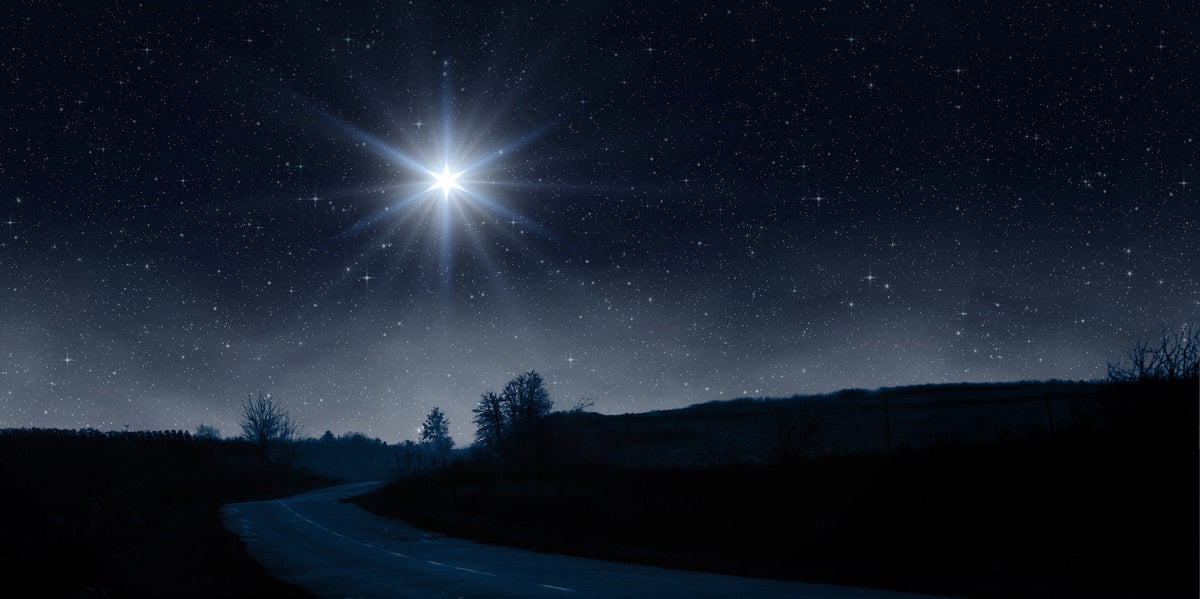
Have Astronomers Found the True 'Star of Bethlehem'?

A scientist has identified a possible astronomical explanation for the Star of Bethlehem, as described in the Bible

Brought to you by Scientific American
Live event: The Future of Science Journalism

Join us for an engaging conversation with David M. Ewalt, Scientific American's new Editor in Chief, interviewed by Jeanna Bryner, Executive Editor. Discover the editorial vision behind one of the world's most respected science publications and gain insights into the evolving landscape of science journalism. Live, online event reserved for subscribers. Already a subscriber? Sign in to register on our home page.

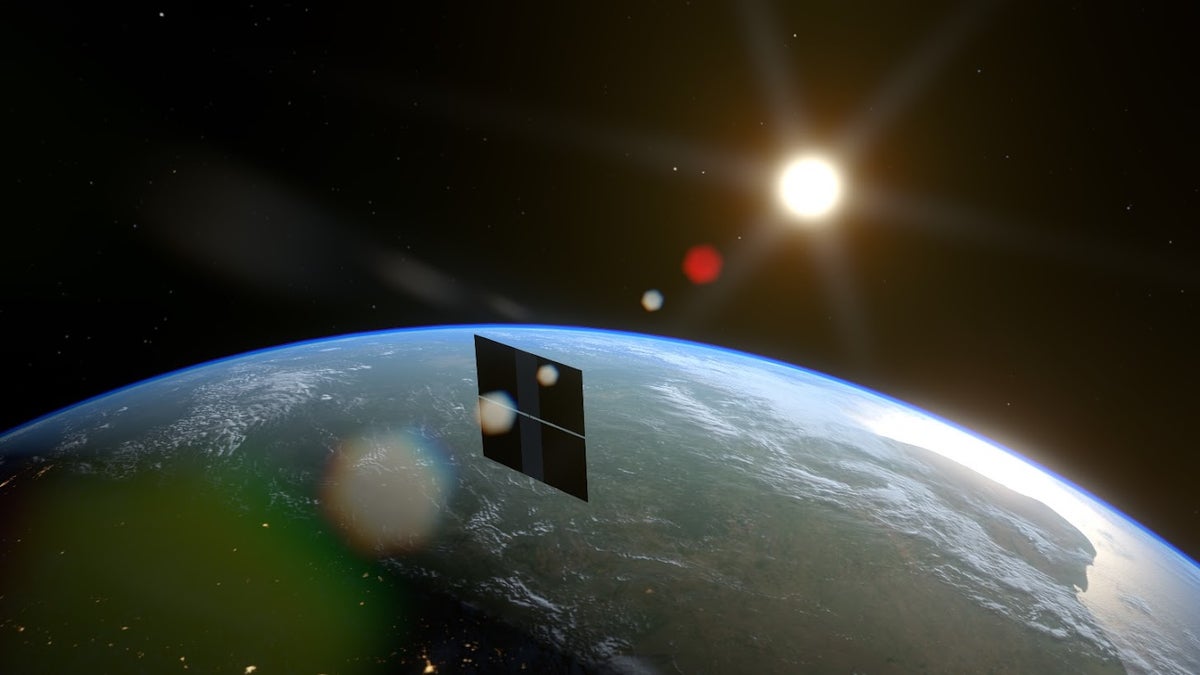
Data Centers in Space Aren't as Wild as They Sound

Space-based computing offers easy access to solar power but presents its own environmental challenges

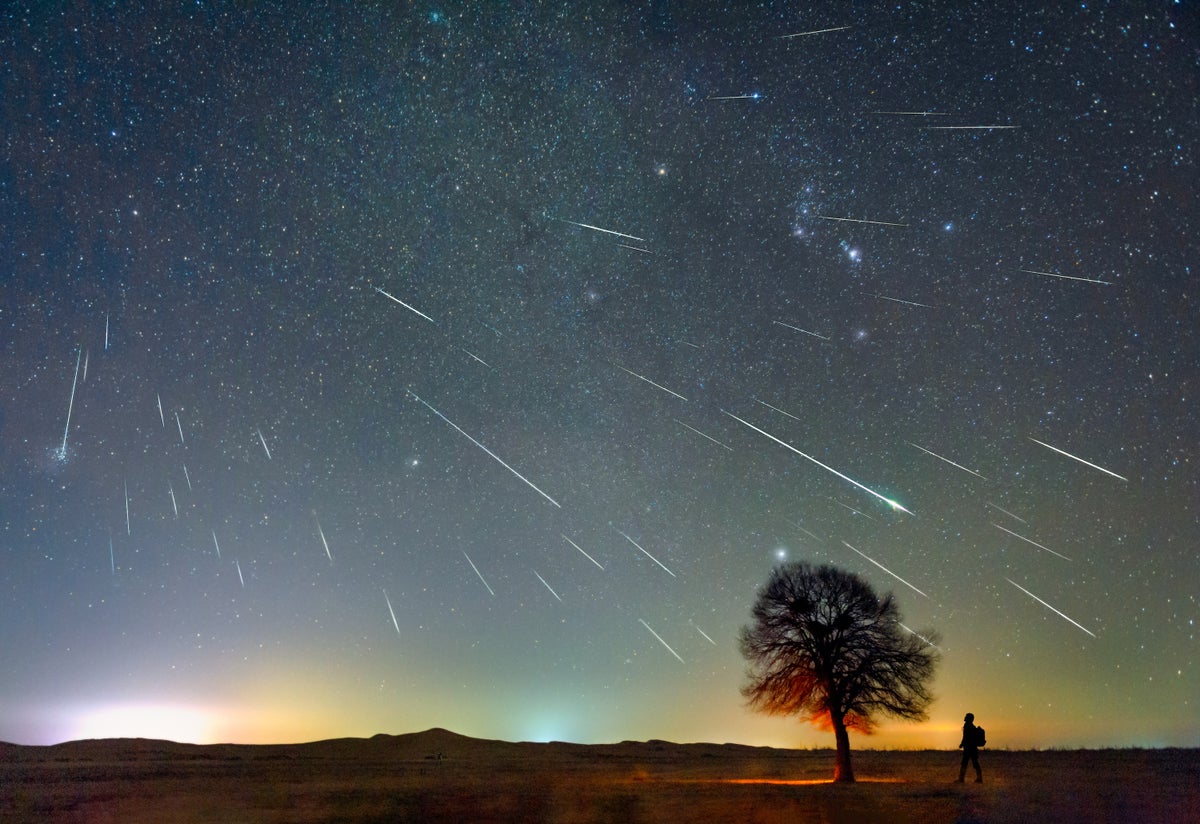
This Weekend's Geminids Meteor Shower Should Be Spectacular

As far as annual meteor showers are concerned, 2025 has saved the best for last. This year's Geminids are not to be missed

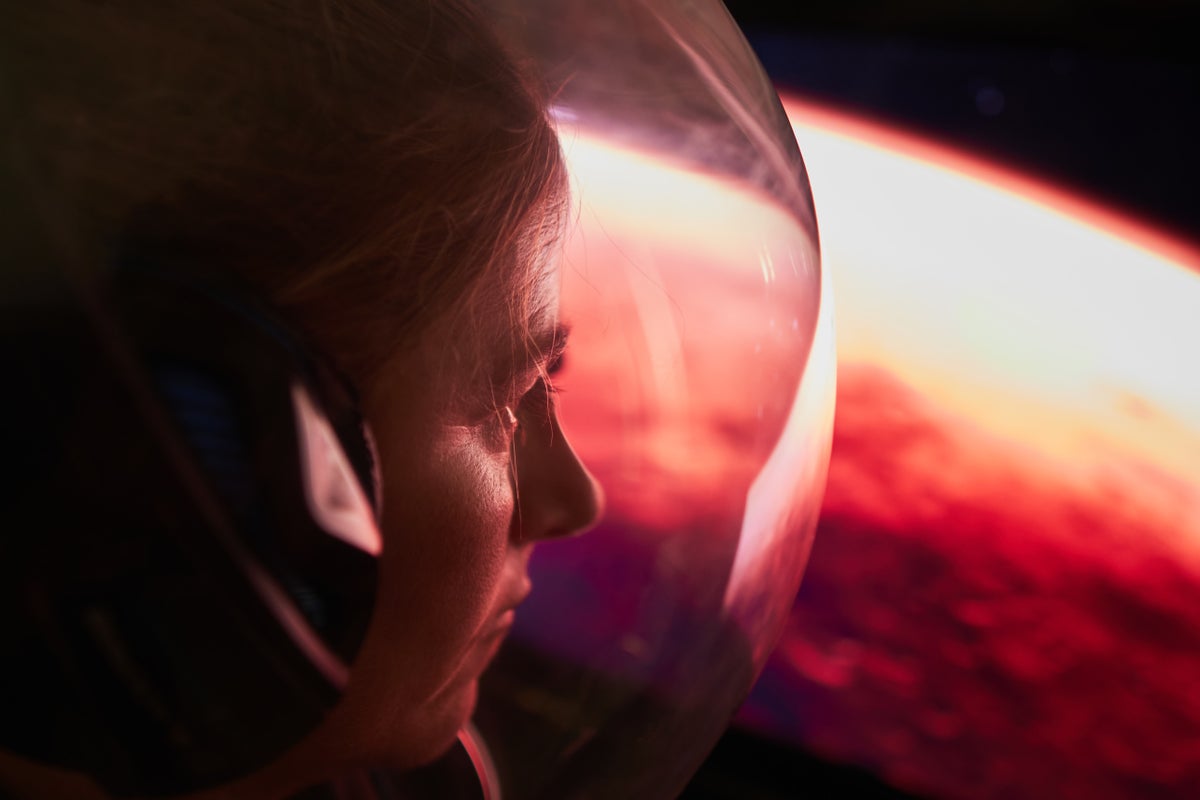
Human Missions to Mars Must Search for Alien Life, New Report Finds

A major new study lays out plans for crewed missions to Mars, with the search for extraterrestrial life being a top priority

Brought to you by Scientific American Travel
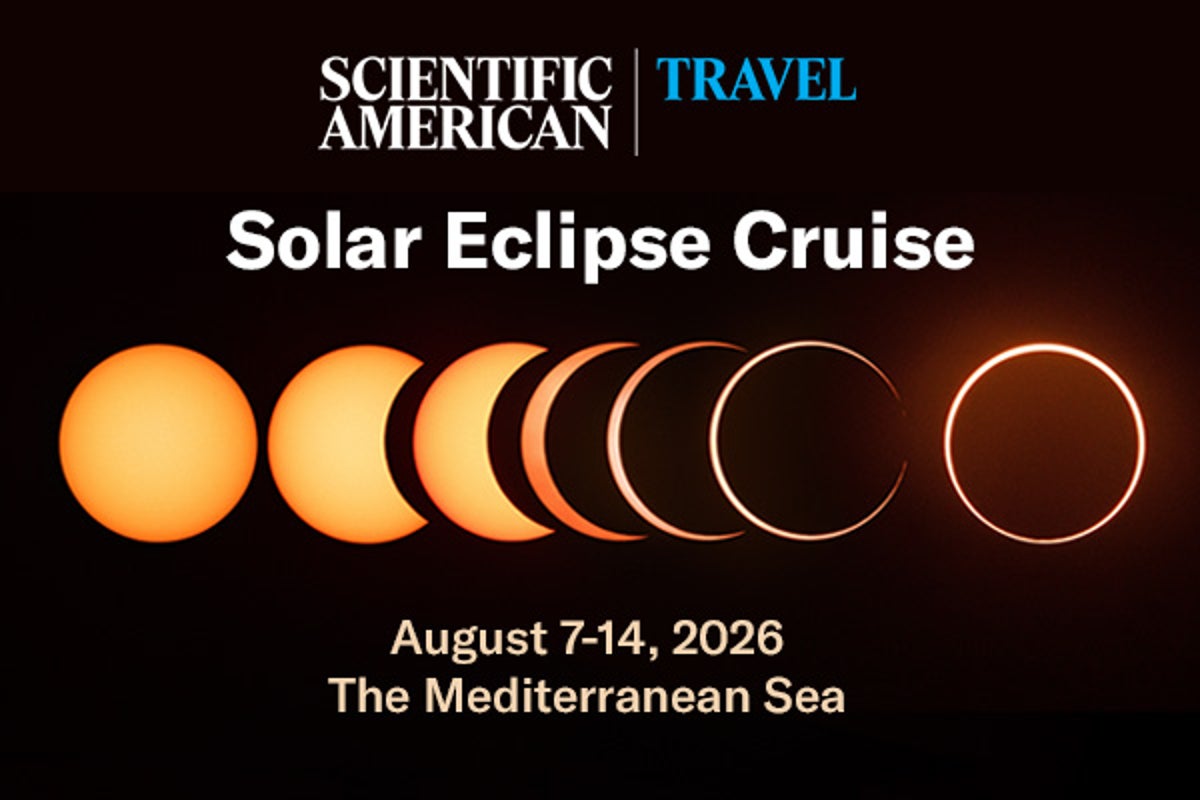
Limited Space Available for 2026 Mediterranean Eclipse Cruise

Join us! We secured additional cabins for our 2026 solar eclipse cruise. Reserve yours now for the experience of a lifetime: watching totality approach while surrounded by the sea, fellow science lovers and your trip leader, Senior Editor Clara Moskowitz. Learn More. 

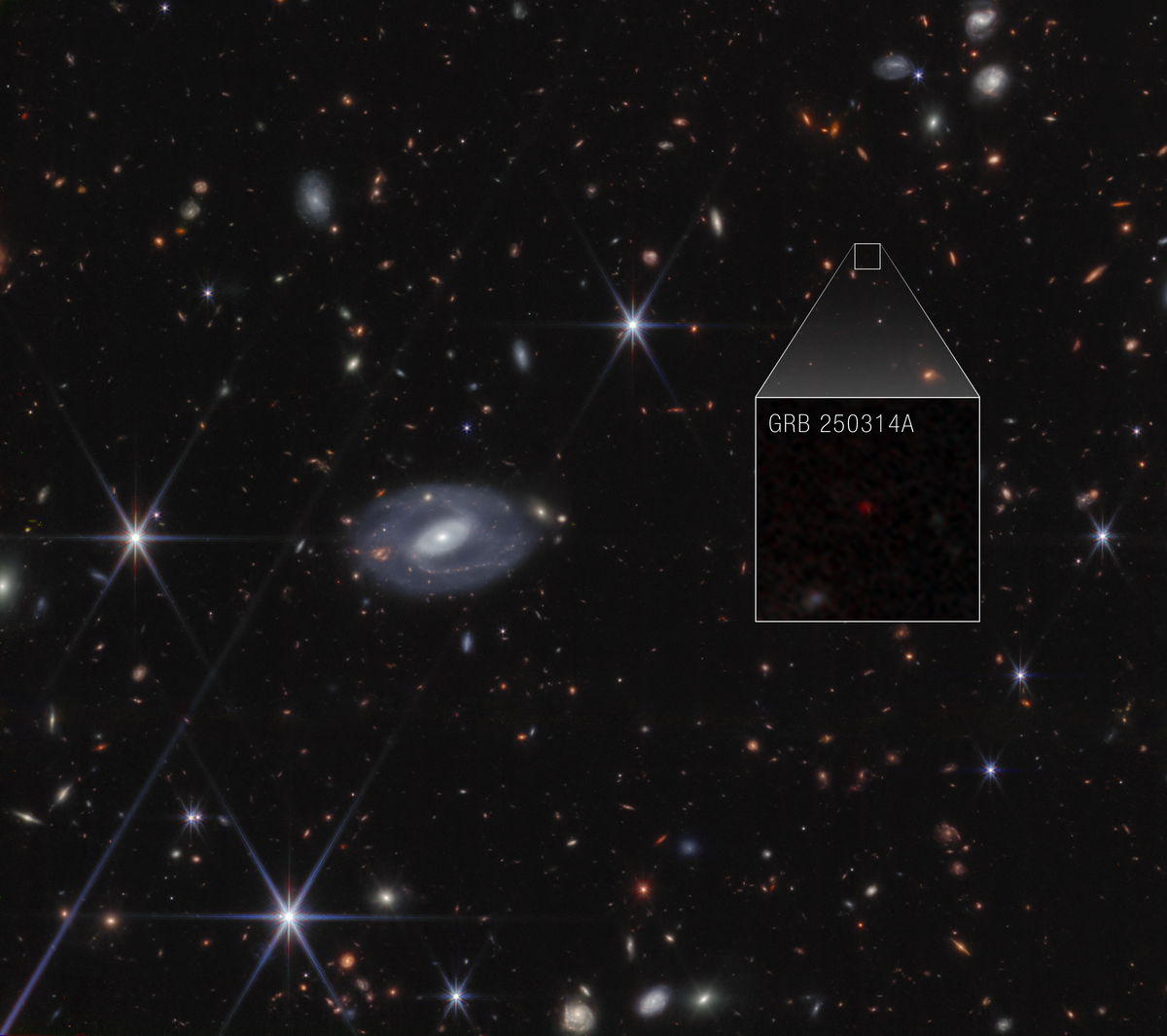
Astronomers Spot the Most Ancient Supernova Ever Observed

Astronomers have sighted the oldest known stellar explosion, dating back to when the universe was less than a billion years old

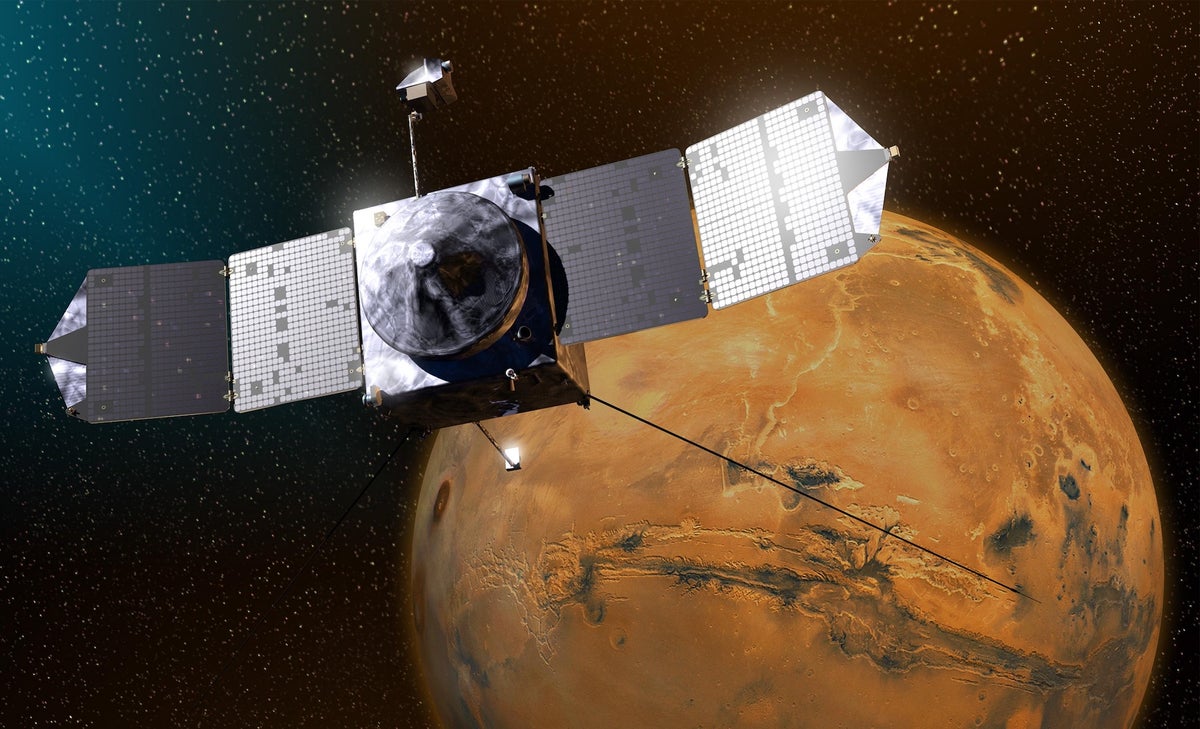
NASA Loses Signal from Critical Mars Orbiter

NASA's MAVEN spacecraft didn't phone home as expected on December 6

Cosmic Magnification Is One of the Universe's Weirdest Optical Illusions

In our topsy-turvy universe, sometimes the farther away an object is, the bigger it seems to be

Immerse yourself in the universe of science with a subscription to Scientific American. Check out our holiday deals!
Black Hole Caught Blasting Matter into Space at 130 Million MPH

X-ray space telescopes caught a supermassive black hole flinging matter into space at a fifth of the speed of light

Mathematicians Crack a Fractal Conjecture on Chaos

A type of chaos found in everything from prime numbers to turbulence can unify a pair of unrelated ideas, revealing a mysterious, deep connection that disappears without randomness

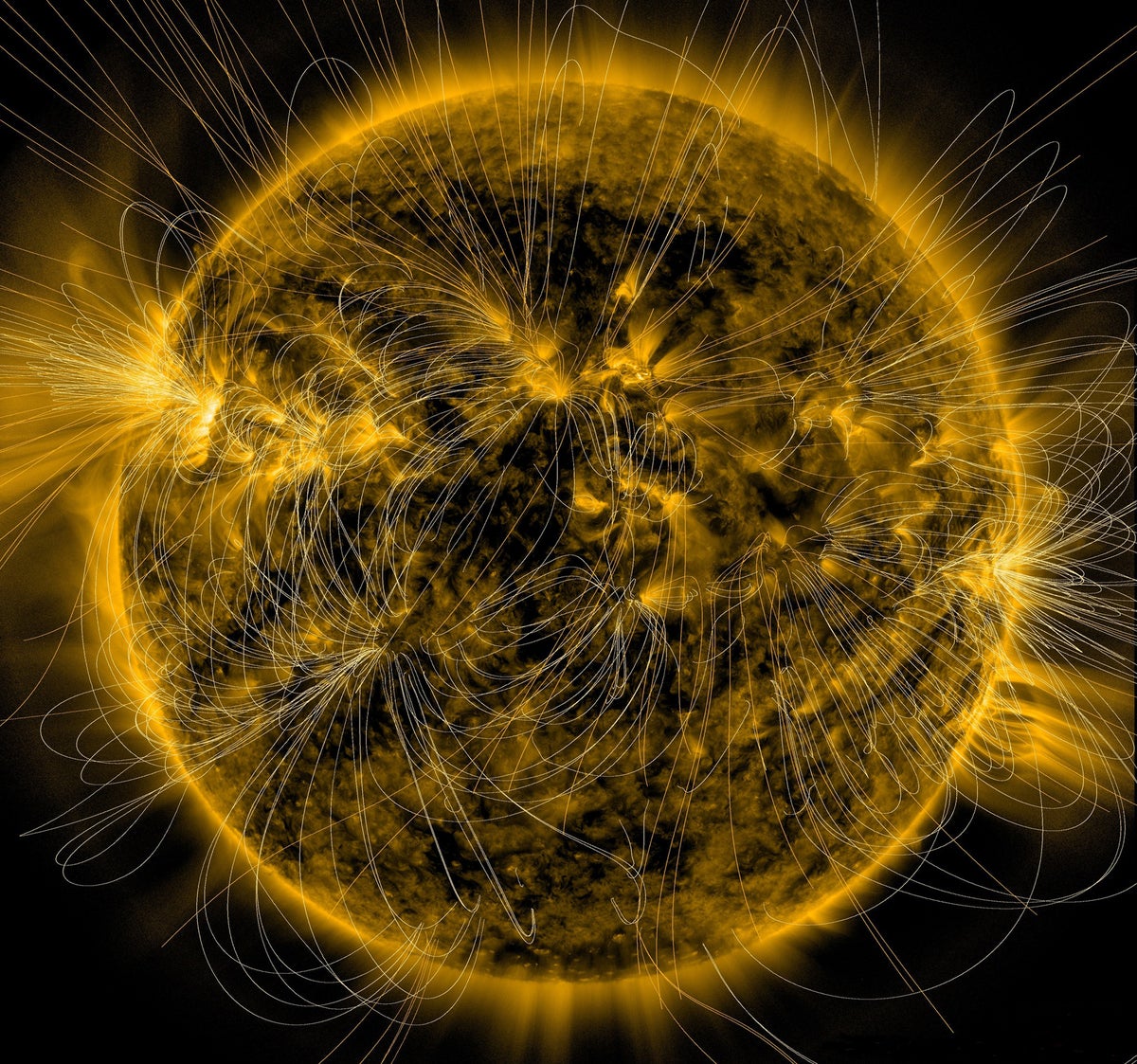
Improved 'Terminator' Sun Model Could Change Space Weather Forecasting

An idea about the sun's magnetic field called the terminator model could help predict dangerous space weather more accurately

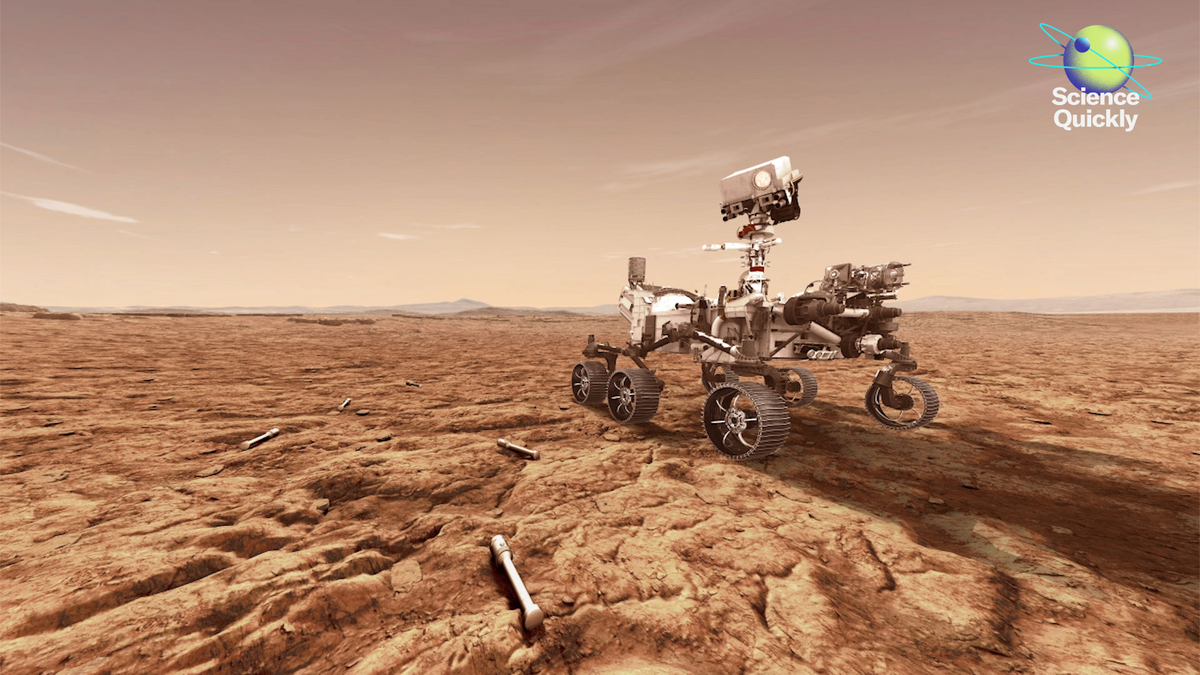
NASA's Perseverance Rover Faces New Uncertainty on Mars

NASA's Perseverance rover has gathered groundbreaking Mars samples, but the mission to bring them home is facing serious challenges.

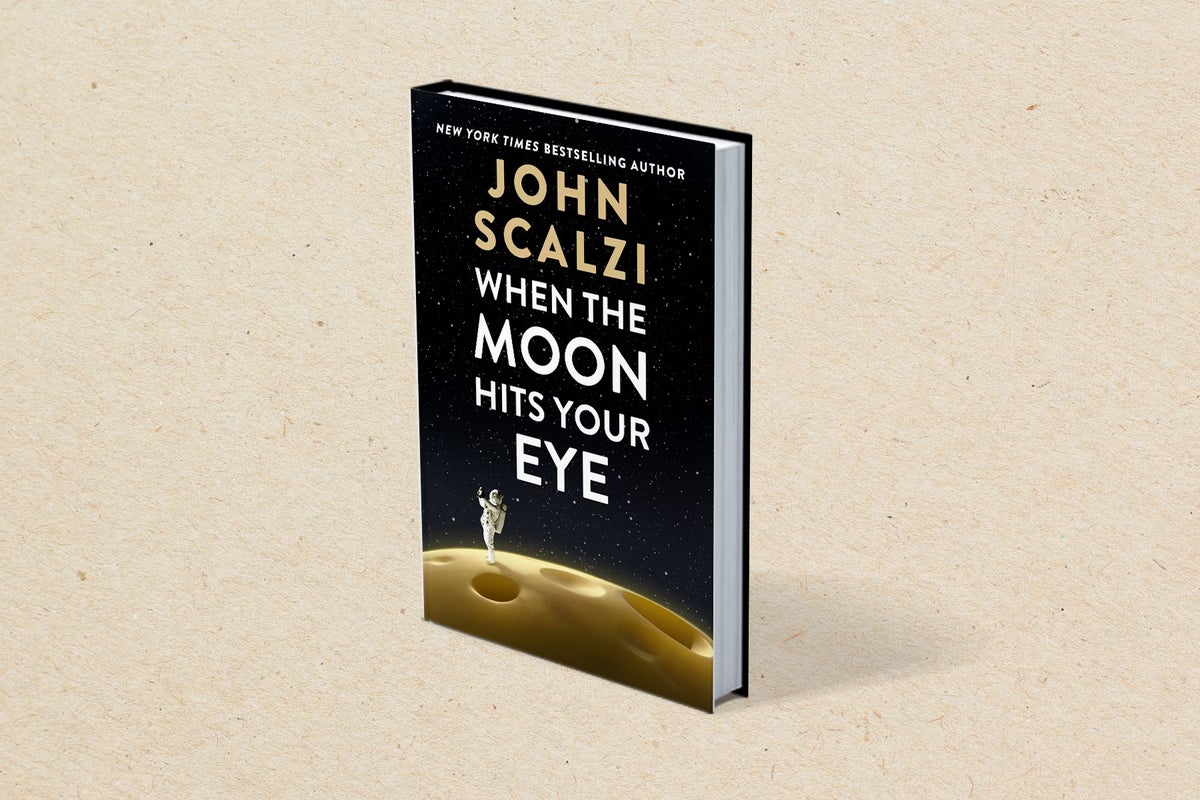
Astronauts, Billionaires and Memes Collide in John Scalzi's Cheesy Moon Book

Scientific American talks to the author of When the Moon Hits Your Eye, one of our best fiction picks for 2025

What We're Reading
  • Earth and solar system may have been shaped by nearby exploding star. | New Scientist
  • After years of resistance, SpaceX now plans to go public. Why? | Ars Technica
  • Why is ice slippery? A new hypothesis enters the chat. | Quanta Magazine

From the Archive
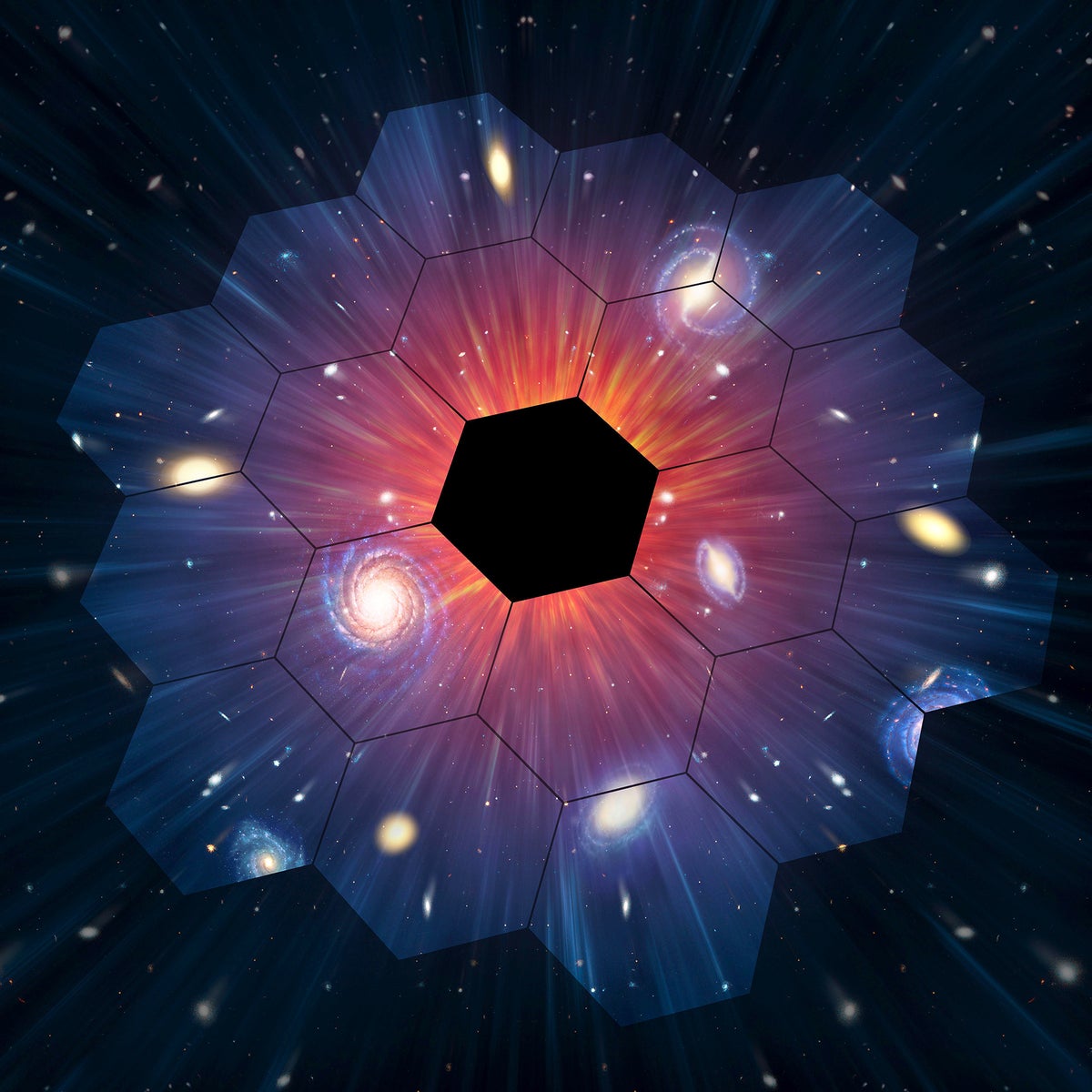
JWST's Next Year of Amazing Science Revealed—As Funding Worries Loom Large

The next year of science on the James Webb Space Telescope has been announced amid mounting budgetary uncertainty that could affect the unparalleled observatory

Scientist Pankaj

Space & Physics: A new explanation for the "Star of Bethlehem"

View in web browser ...