Friday, December 19, 2025

Space & Physics: Mysterious bright flashes in the night sky baffle astronomers

December 18 —Hi all, I'm covering for Lee today. This week, the "terminator" sun model could help predict space weather, astronomers observe the first superkilonova, and tomorrow is your last chance to see interstellar comet 3I/ATLAS. Enjoy!

Reach out and tell us how you're enjoying this newsletter: newsletters@sciam.com.

Andrea Gawrylewski, Chief Newsletter Editor

Top Stories
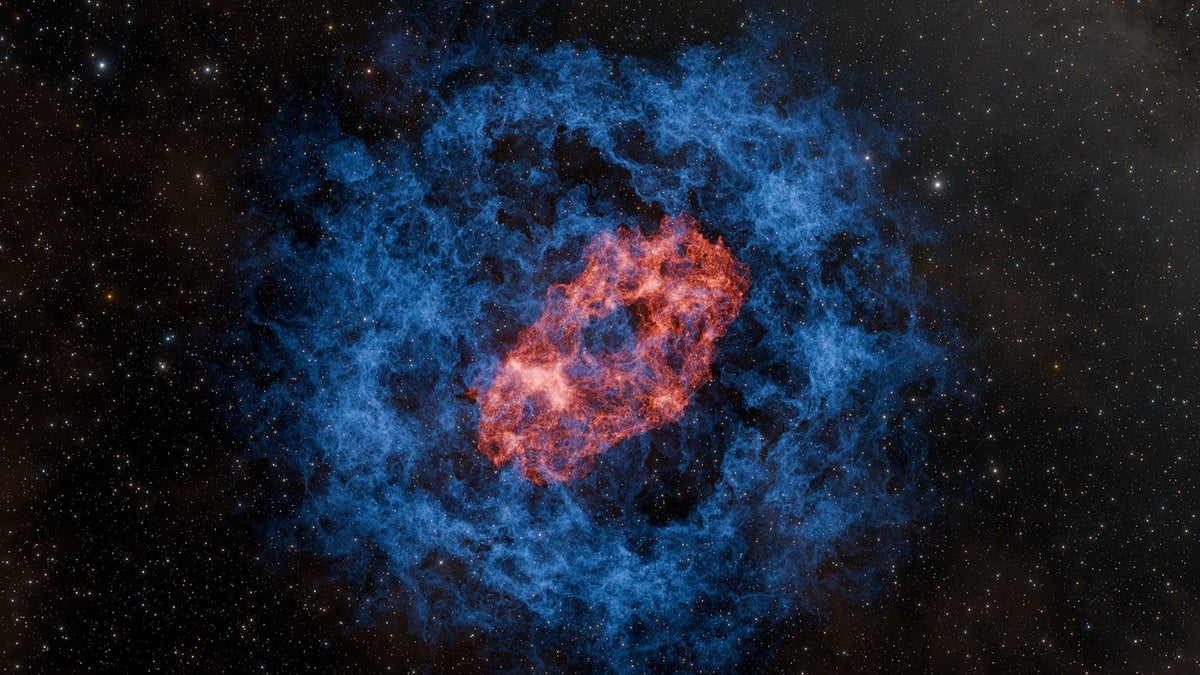
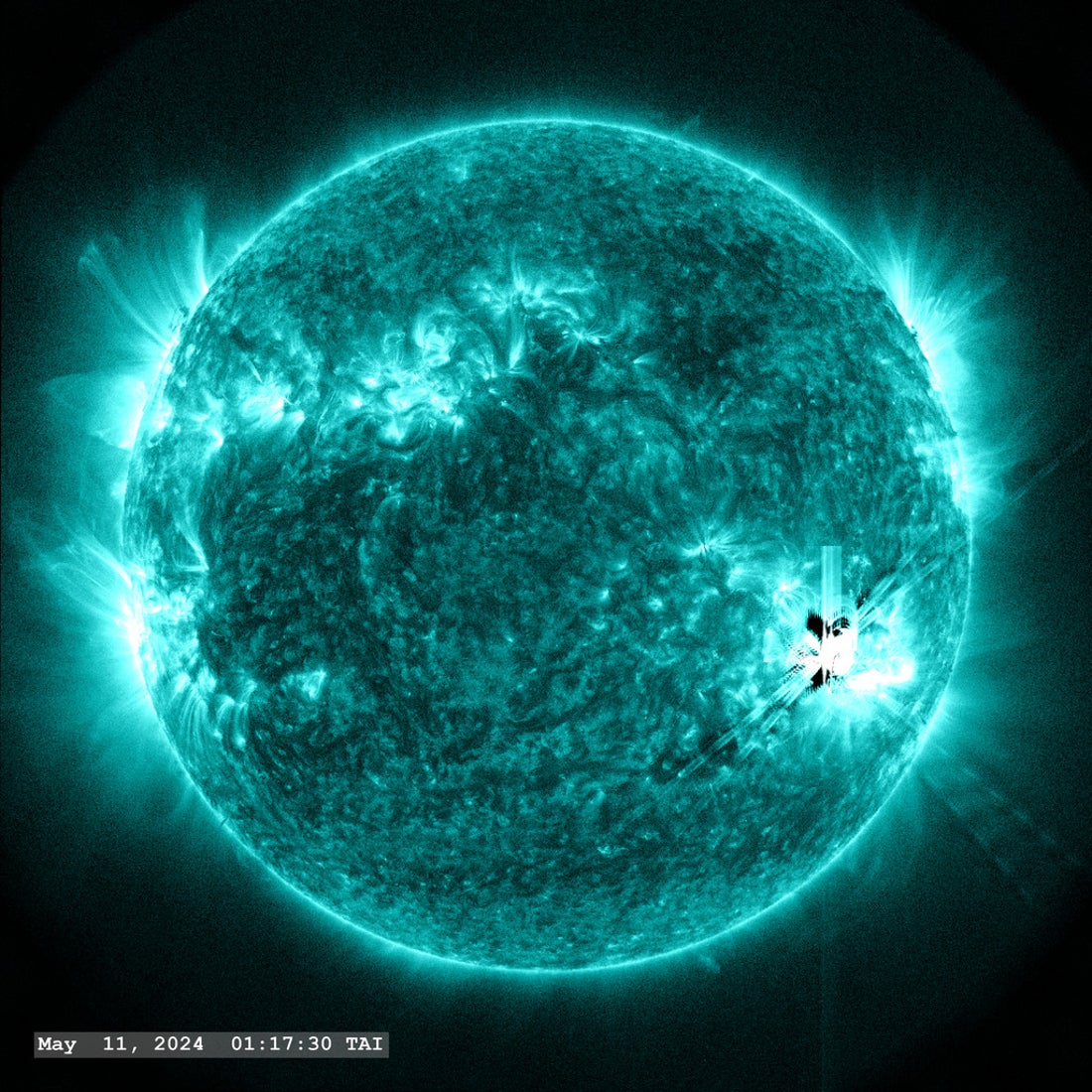
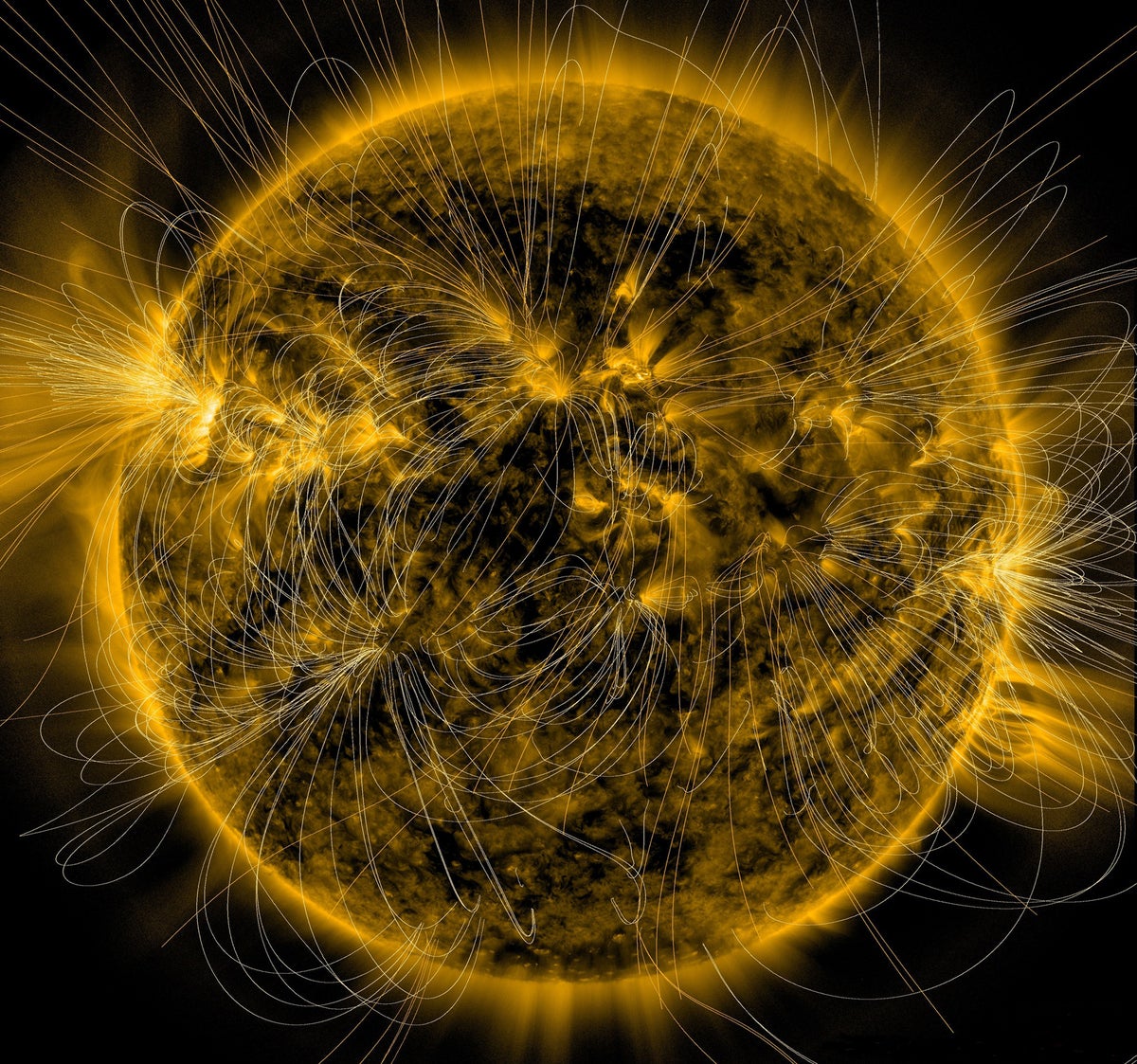
Improved 'Terminator' Sun Model Could Change Space Weather Forecasting

An idea about the sun's magnetic field called the terminator model could help predict dangerous space weather more accurately

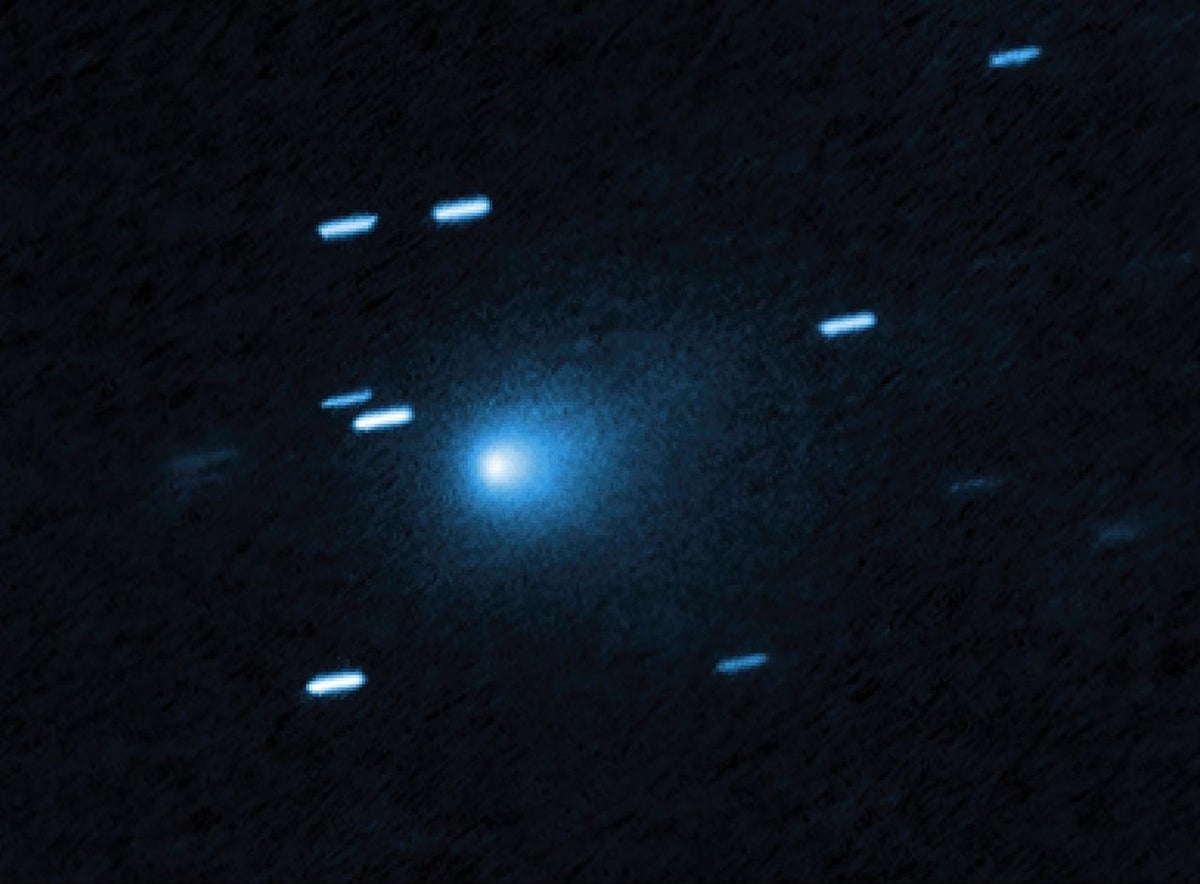
How to See Interstellar Comet 3I/ATLAS as It Swings by Earth One Last Time

This week marks the last chance for backyard astronomers to see interstellar Comet 3I/ATLAS before it races on its journey back to outer space

Immerse yourself in the universe of science with a subscription to Scientific American. Check out our holiday deals!
Brought to you by Scientific American Travel
Limited Space Available for 2026 Mediterranean Eclipse Cruise

Join us! We secured additional cabins for our 2026 solar eclipse cruise. Reserve yours now for the experience of a lifetime: watching totality approach while surrounded by the sea, fellow science lovers and your trip leader, Senior Editor Clara Moskowitz. Learn More. 

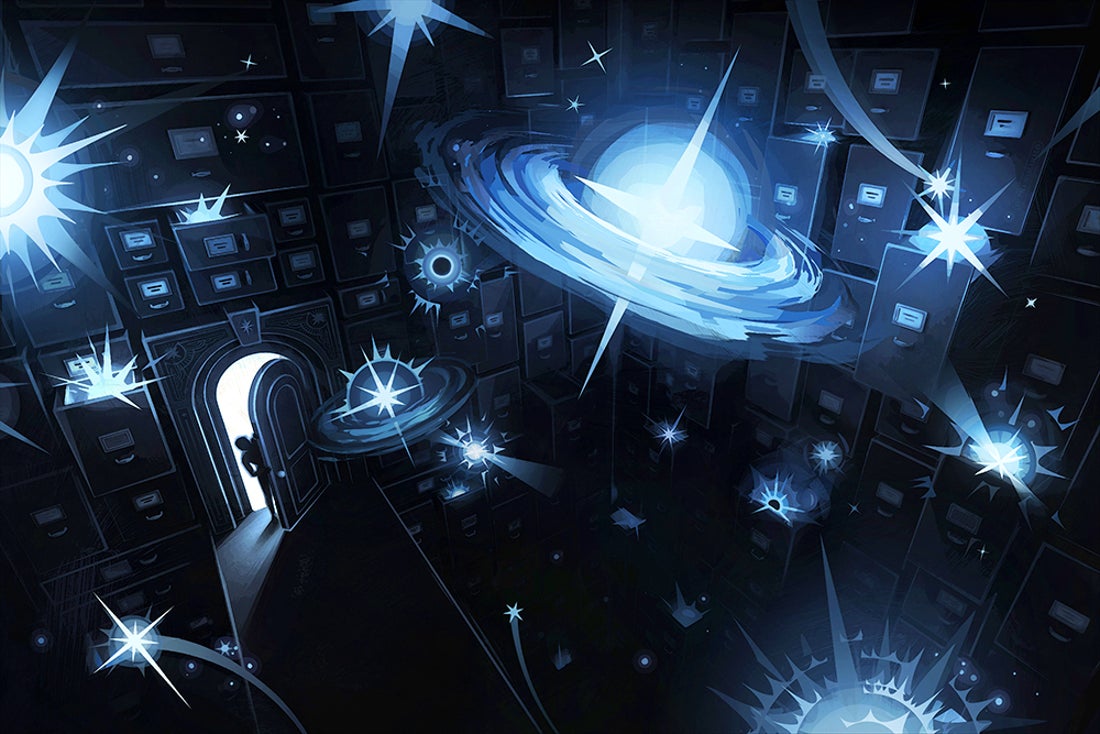
Mysterious Bright Flashes in the Night Sky Baffle Astronomers

Celestial transients shine furiously and briefly. Astronomers are just beginning to understand them

Strange Cosmic Blast May Be First-Ever Superkilonova Observed

The combination of a supernova and a kilonova may have produced a rare space explosion that astronomers have never seen before

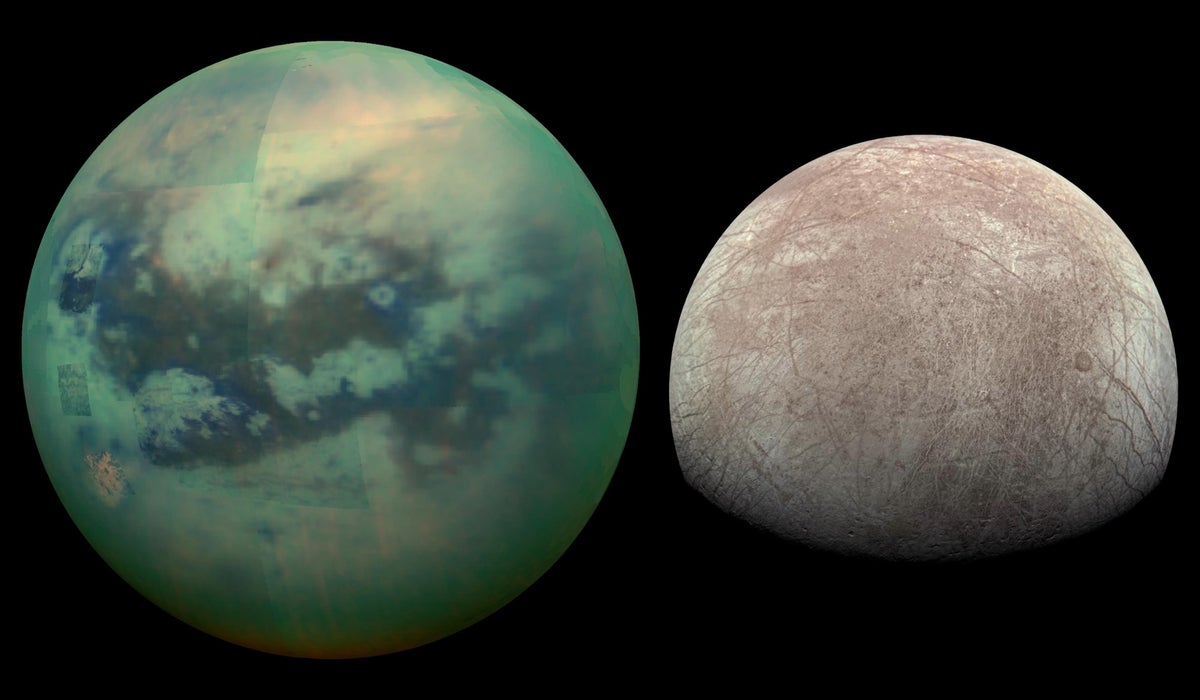
New Views of Solar System Moons Complicate Ocean Worlds Theory

Oceans hiding within the crusts of distant moons are tantalizing targets for scientists looking for life beyond Earth

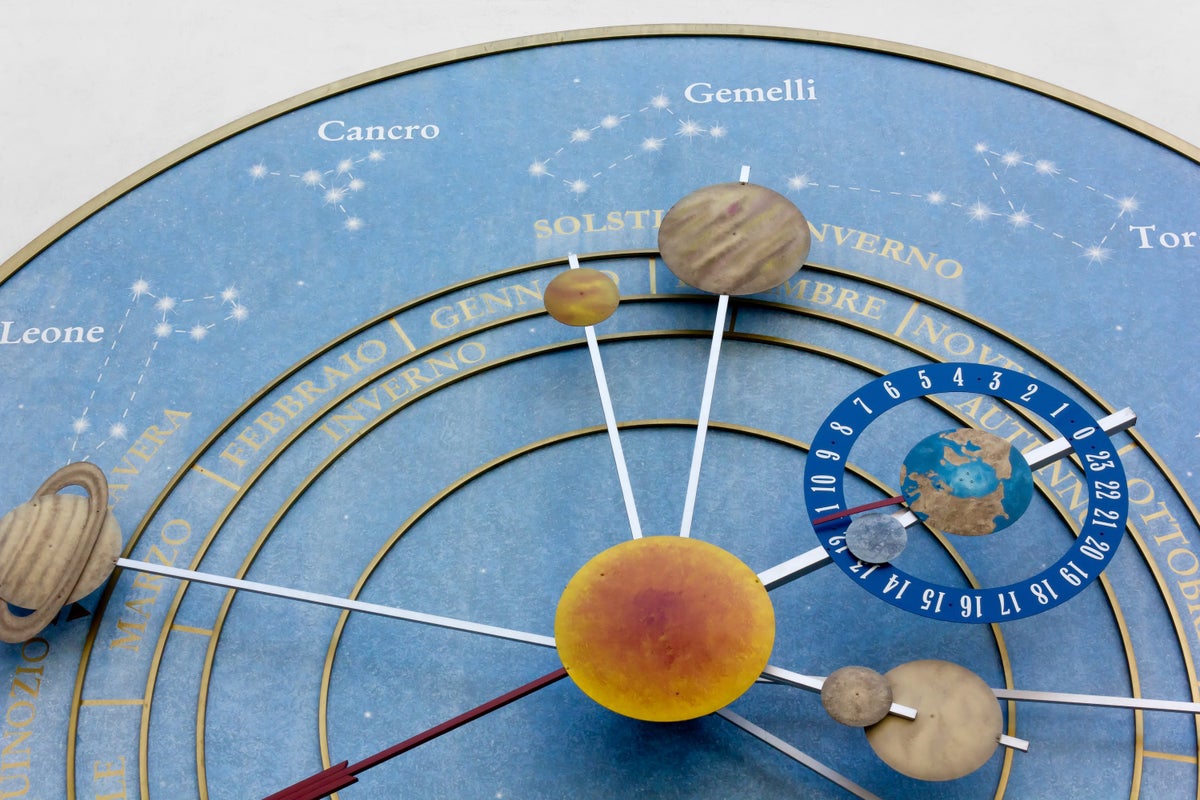
Timekeeping on Mars Is a Tall Order. Here's Why

Precisely calibrating clocks on Mars is harder than you'd think, because of some extremely esoteric physics

Brought to you by Scientific American Travel
Limited Space Available for 2026 Mediterranean Eclipse Cruise

Join us! We secured additional cabins for our 2026 solar eclipse cruise. Reserve yours now for the experience of a lifetime: watching totality approach while surrounded by the sea, fellow science lovers and your trip leader, Senior Editor Clara Moskowitz. Learn More. 

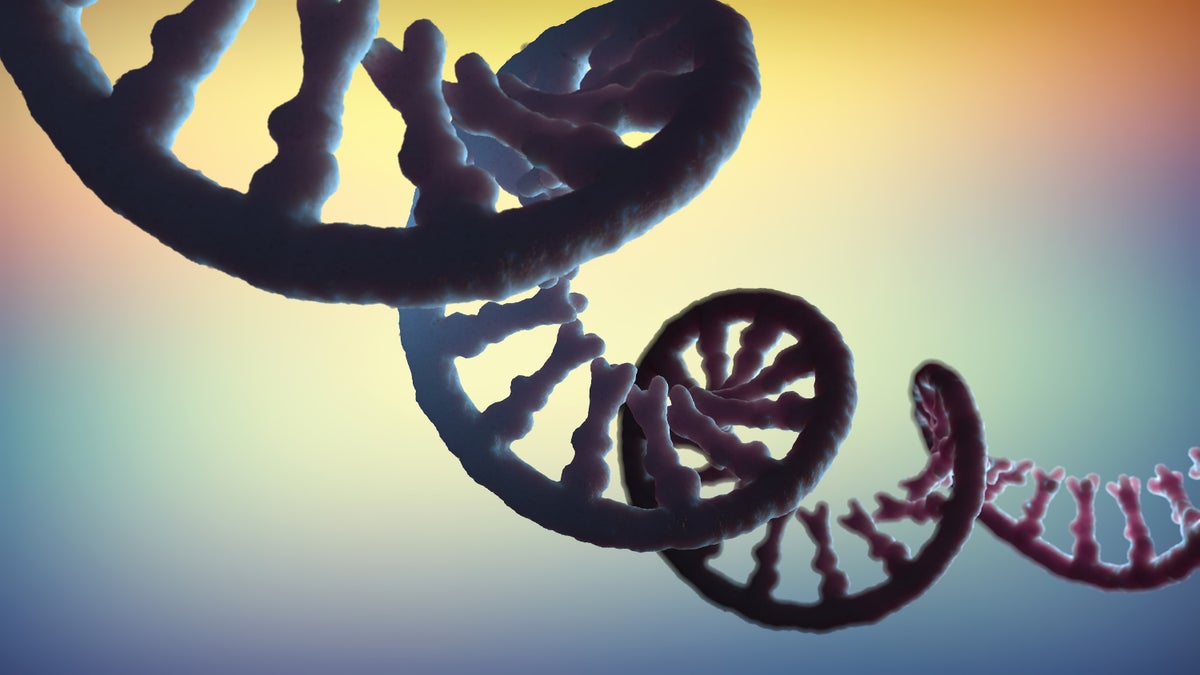
RNA Might Have Formed Naturally on Early Earth, Seeding Life

New experiments show how RNA might form not just on Earth but on other rocky planets, too

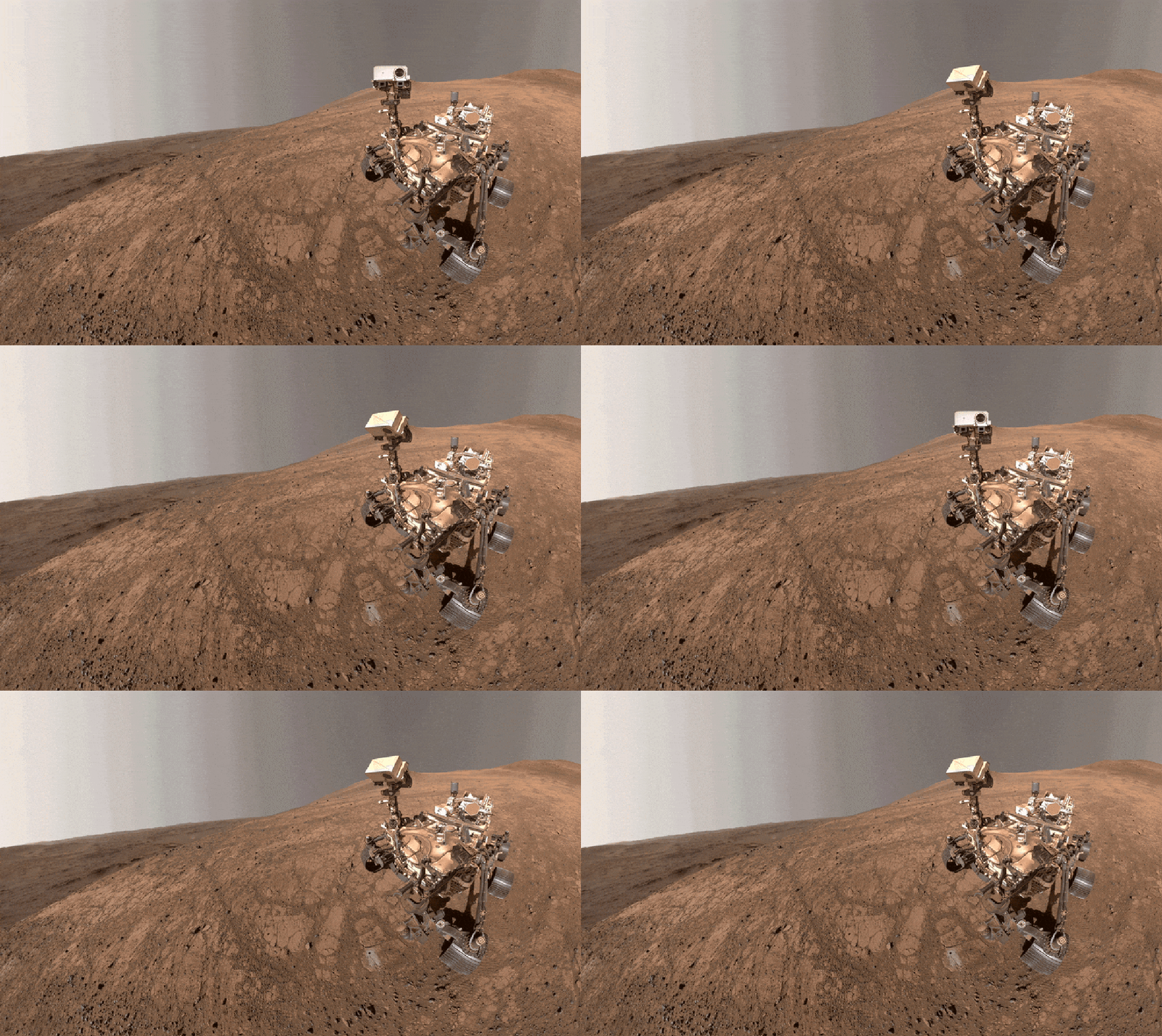
Can Labs on Earth Solve the Mystery of Mars's Most Exciting Rock?

New laboratory studies could shed light on a rock containing potential signs of alien life that's stranded on Mars

Jared Isaacman Confirmed to Head NASA at Pivotal Moment for Space Science

Billionaire Jared Isaacman is taking the reins at NASA at a challenging time for the space agency, as it faces budget cuts and technical hurdles that could scuttle its most ambitious missions

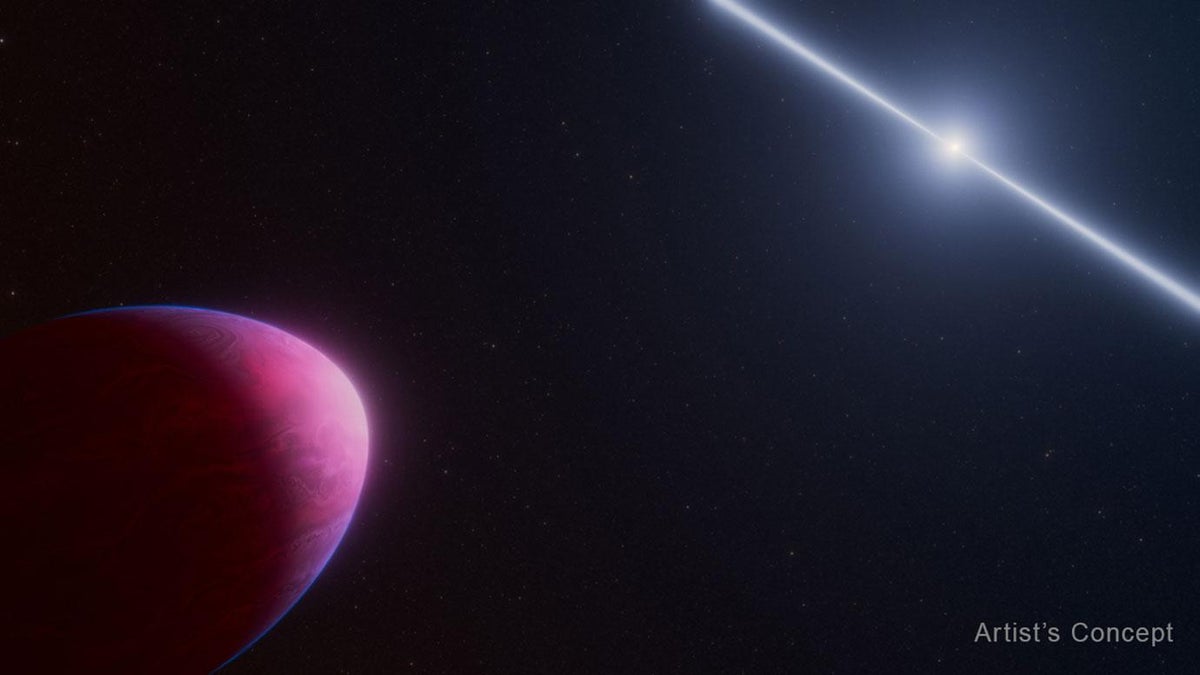
This Planet Is the Shape of a Lemon. That May Be the Least Weird Thing about It

Astronomers using the James Webb Space Telescope have discovered a bizarre-looking exoplanet that defies explanation

What We're Reading
  • NASA's Parker Solar Probe mapped an unseen part of the sun at its most active moment | LiveScience
  • JWST confirms first "runaway" supermassive black hole rocketing through "Cosmic Owl" galaxies. | Space.com
  • String Theory Inspires a Brilliant, Baffling New Math Proof | Quanta Magazine

From the Archive
After Last Week's Spectacular Auroras, What's Next for the Sun?

The sun's current 11-year activity cycle has already peaked—but extreme outbursts from our star may still be in store

Scientist Pankaj

Today in Science: A little irregular heartbeat is good for you

It's a measure of how well you respond to stress ͏  ͏  ͏  ͏  ͏  ͏  ͏  ͏  ͏  ͏  ͏  ͏  ͏  ͏  ͏  ͏  ͏  ͏  ͏  ͏  ͏  ͏  ͏  ͏  ͏  ͏  ͏...