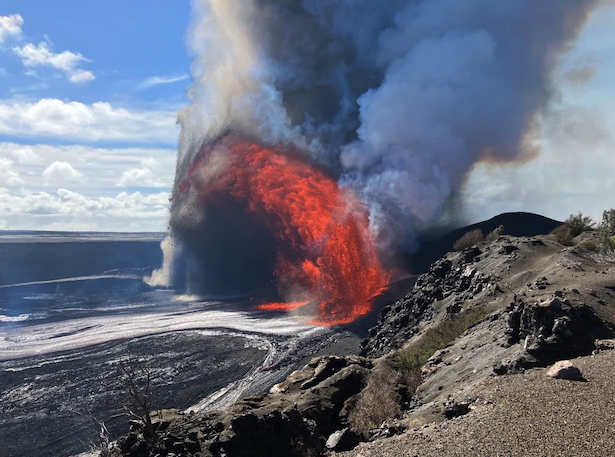
Fountains of lava 1,000-feet high, plus molten rock and ash ͏ ͏ ͏ ͏ ͏ ͏ ͏ ͏ ͏ ͏ ͏ ͏ ͏ ͏ ͏ ͏ ͏ ͏ ͏ ͏ ͏ ͏ ͏ ͏ ͏ ͏ ͏ ͏ ͏ ͏ ͏ ͏ ͏ ͏ ͏ ͏ ͏ ͏ ͏ ͏ ͏ ͏ ͏ ͏ ͏ ͏ ͏ ͏ ͏ ͏ ͏ ͏ ͏ ͏ ͏ ͏ ͏ ͏ ͏ ͏ ͏ ͏ ͏ ͏ ͏ ͏ ͏ ͏ ͏ ͏ ͏ ͏ ͏ ͏ ͏ ͏ ͏ ͏ ͏ ͏ ͏ ͏ ͏ ͏ ͏ ͏ ͏ ͏ ͏ ͏ ͏ ͏ ͏ ͏ ͏ ͏ ͏ ͏ ͏ ͏ ͏ ͏ ͏ ͏ ͏ ͏ ͏ ͏ ͏ ͏ ͏ ͏ ͏ ͏ ͏ ͏ ͏ ͏ ͏ ͏ ͏ ͏ ͏ ͏ ͏ ͏ ͏ ͏ ͏ ͏ ͏ ͏ ͏ ͏ ͏ ͏ ͏ ͏ ͏ ͏ ͏ ͏ ͏ ͏ ͏ ͏ ͏ ͏ ͏ ͏
December 8, 2025—An inside look at rare earth elements. Plus, a Hawaiian volcano blows its top, and parents are declining a life-saving vaccine for newborns. —Andrea Gawrylewski, Chief Newsletter Editor | | The second-to-last row of the periodic table contains 17 elements that play a central role in the manufacturing of smartphones, electric vehicles, medical devices, and other technologies. The so-called rare earth elements have special chemical make-ups that give them particular magnetic properties and other advantages. These traits come from the unique arrangement of the electrons in their atoms' outer shell: some orbit close to the atomic nucleus and tend not to interact with the atoms' outside environment, and so they rarely form bonds. The result is that they have predictable, dependable chemical properties.
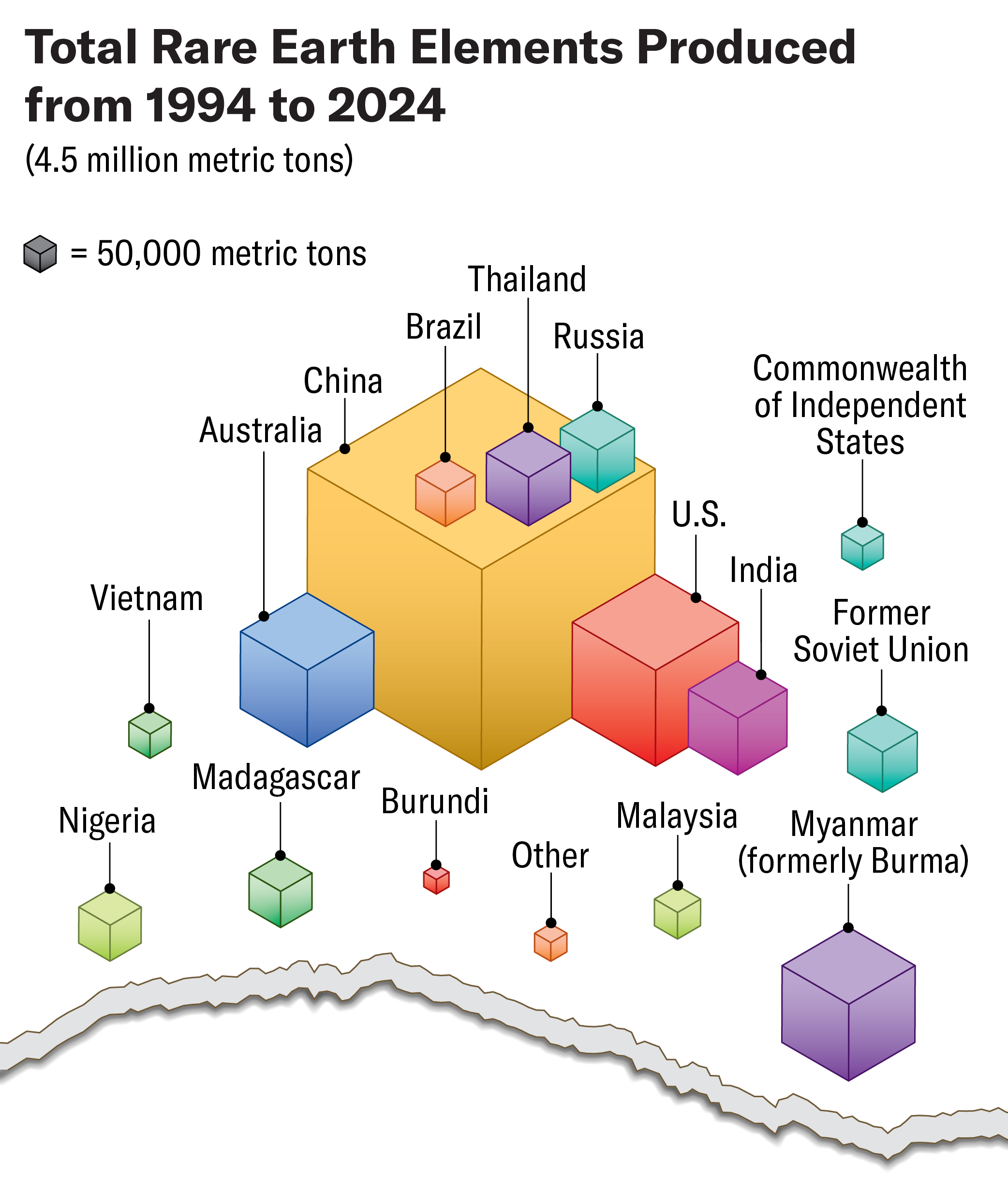
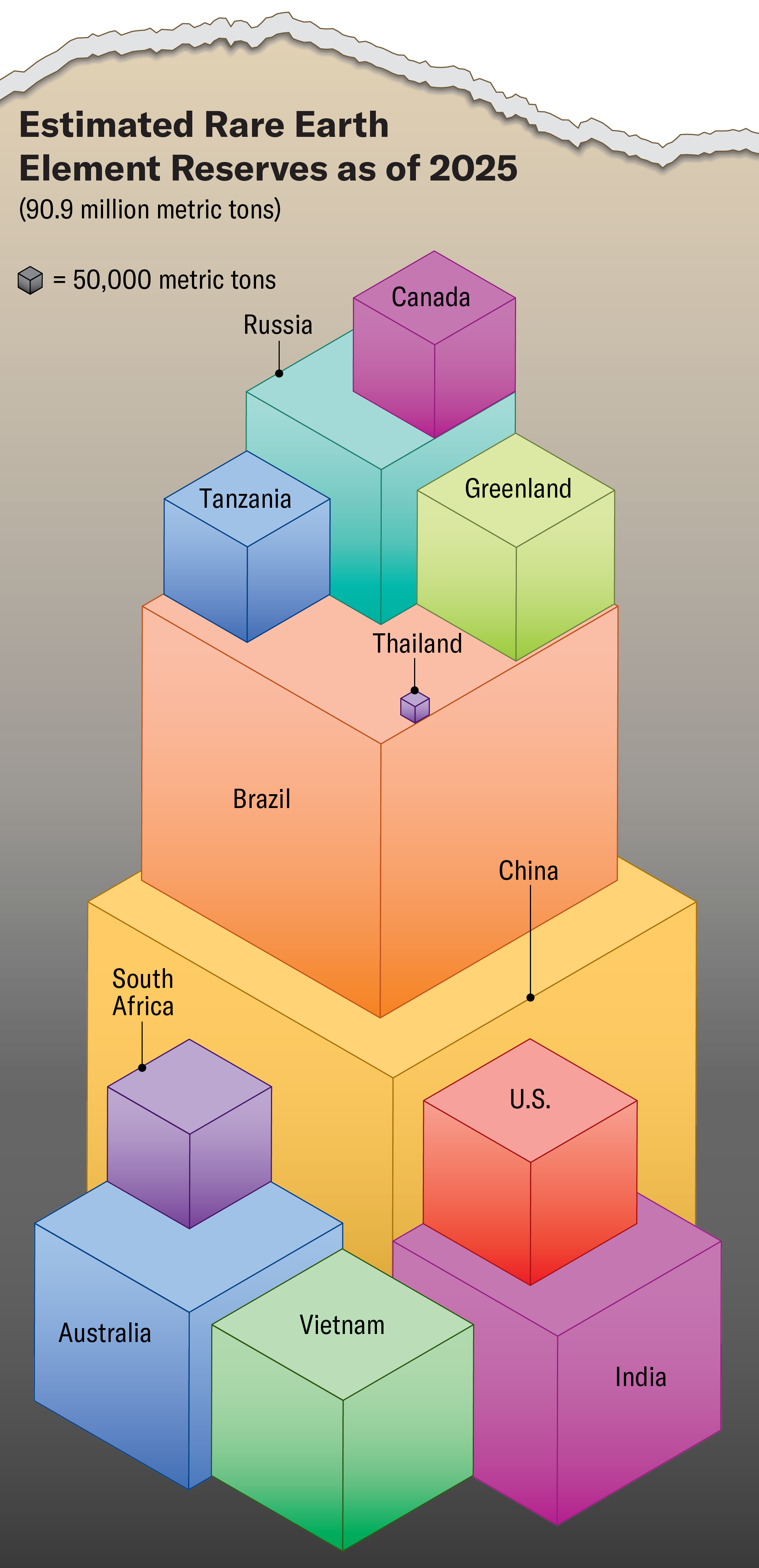
How much has been extracted? Humans have mined about 4.5 million metric tons of rare earth elements so far. Most of those have come from China, which leads the world in the infrastructure and expertise to extract these minerals. The major U.S. source is the Mountain Pass deposit in southern California. | | Studio Terp; Source: U.S. Geological Survey Mineral Commodity Summaries, 1996–2025 (data) | | How much is left? Rare earth elements are actually more abundant on the planet than precious metals such as platinum and gold. The challenge, however, is finding minable sources of them; they are often present in small amounts and difficult to separate from other elements, so extracting them is a laborious, multistep process. China has the largest known global reserve of rare earth elements, followed by Brazil, India and Australia. Only 90.9 million metric tons are estimated to be left unused on Earth. At today's production rates, we will run out of these materials in 60 to 100 years. | | Studio Terp; Source: U.S. Geological Survey Mineral Commodity Summy, 2025 (data) | | | | |
Limited Space Available for 2026 Mediterranean Eclipse Cruise | | Join us! We secured additional cabins for our 2026 solar eclipse cruise. Reserve yours now for the experience of a lifetime: watching totality approach while surrounded by the sea, fellow science lovers and your trip leader, Senior Editor Clara Moskowitz. | | | | |
- Fun fact: leftover pizza from the fridge may be healthier for those watching their blood sugar levels. Researchers have discovered that cooling starchy foods—like pizza and rice—creates "resistant starch," a carb that behaves like fiber and alters your blood sugar response. Watch the full video here.
| | - A powerful, five-part feature on Albany, Georgia, where residents kept getting sick, even though the most prominent local institution was a hospital. | ProPublica
- The former chief medical officer of the CDC issues a warning 100 days after leaving the agency. | Time
- The "free birth" movement is growing. | The New York Times
| | I was lucky enough to be on the Big Island in 2021 at the tail end of a series of eruptions at the summit of Kilauea. During that particular stay, we felt the Earth shift in an unmistakable earthquake (a 6.2 magnitude hit about 30 miles offshore). It was a thrilling reminder that the Hawaiian islands are very much "alive," and volcanic activity is a part of everyday life. | | Please send any other cool ideas, comments or feedback on this newsletter to: newsletters@sciam.com. See you tomorrow! —Andrea Gawrylewski, Chief Newsletter Editor
| | | | |
Subscribe to this and all of our newsletters here. | | | | |