It's a combo of a supernova and a kilonova ͏ ͏ ͏ ͏ ͏ ͏ ͏ ͏ ͏ ͏ ͏ ͏ ͏ ͏ ͏ ͏ ͏ ͏ ͏ ͏ ͏ ͏ ͏ ͏ ͏ ͏ ͏ ͏ ͏ ͏ ͏ ͏ ͏ ͏ ͏ ͏ ͏ ͏ ͏ ͏ ͏ ͏ ͏ ͏ ͏ ͏ ͏ ͏ ͏ ͏ ͏ ͏ ͏ ͏ ͏ ͏ ͏ ͏ ͏ ͏ ͏ ͏ ͏ ͏ ͏ ͏ ͏ ͏ ͏ ͏ ͏ ͏ ͏ ͏ ͏ ͏ ͏ ͏ ͏ ͏ ͏ ͏ ͏ ͏ ͏ ͏ ͏ ͏ ͏ ͏ ͏ ͏ ͏ ͏ ͏ ͏ ͏ ͏ ͏ ͏ ͏ ͏ ͏ ͏ ͏ ͏ ͏ ͏ ͏ ͏ ͏ ͏ ͏ ͏ ͏ ͏ ͏ ͏ ͏ ͏ ͏ ͏ ͏ ͏ ͏ ͏ ͏ ͏ ͏ ͏ ͏ ͏ ͏ ͏ ͏ ͏ ͏ ͏ ͏ ͏ ͏ ͏ ͏ ͏ ͏ ͏ ͏ ͏ ͏ ͏
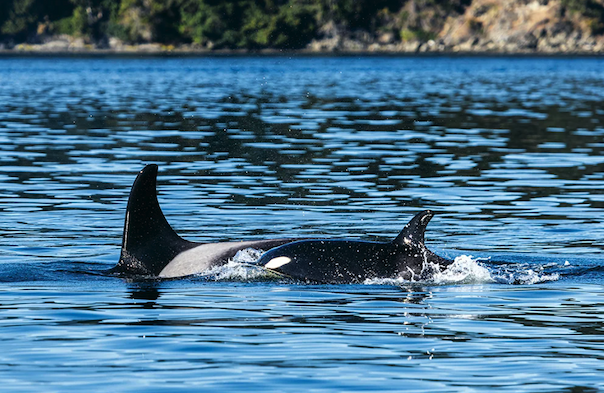
December 17, 2025—These rare orcas are in decline, scientists observe the first superkilonova, and a crucial climate research center will be shuttered. —Andrea Gawrylewski, Chief Newsletter Editor | | The final stage of a superkilonova. Caltech/K. Miller and R. Hurt (IPAC) | | Supporting our work means amplifying science. Consider a subscription to Scientific American and back independent science journalism! Plus, we've got some great holiday deals right now. | | A southern resident orca baby and mother play in the Salish Sea. These killer whales have strong family ties and rarely separate from their close relatives. Jeffery DelViscio | | Off the coast of the Pacific Northwest live 74 southern resident whales. They have their own language and culture and don't associate with any of the other 50,000 orcas that live around the world. And they are the last of their kind. Decades of research show that pollution, noise from ships and dwindling populations of Chinook salmon have led to the decline of these animals. Our senior multimedia editor, Kelso Harper, joined researchers for a week of tracking orcas in the waters to the west of San Juan island.
How this happened: Many boat engines emit noises underwater at the same frequency that the whales use to communicate. In noisy waters, the whales will either give up on hunting entirely or miss prey because they can't echolocate. Meanwhile, pollutants accumulate in most ocean-dwelling top predators like whales. But food availability is having the most impact by far on the population. A combination of river damming, habitat destruction, overfishing and pollution has caused numbers of Chinook salmon, the whales' primary food source, to plummet since the 1980s.
What can be done: After years of research, this year Washington State enacted a new regulation requiring boats to stay at least 1,000 yards away from the southern resident whales, which gives them enough space to hunt away from the roar of boat engines. New research is needed to determine which Chinook salmon runs these creatures rely on most and to help devise protections. But governmental funding cuts this year have gutted the research engine that would have funded such projects in the future.
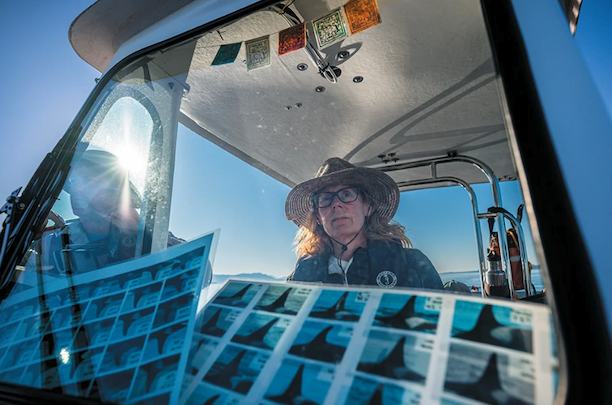
For more: Listen to Harper describe the experience of chasing orcas with researchers off the coast of the San Juan islands in this episode of Science Quickly. | | Deborah Giles has cataloged the southern resident killer whales that inhabit the waters around the San Juan Islands in the Pacific Northwest for more than two decades. She is an orca researcher at the SeaDoc Society. Jeffery DelViscio | | | | |
Scientific American, Vol. 231, No. 6; December 1974 | | - From the December 1974 issue: How many aces of spades do you see? "After a brief glance at this display most people report seeing three. Actually there are five. Because people expect aces of spades to be black, they tend to miss the atypical red ones. Thus do prior conditioning and experience influence perception."
| | - An epidemiologist who has speculated about a connection between vaccines and "turbo cancer" in young people has been appointed to oversee the National Cancer Program. | WIRED
- A visual tour of a kitchen demonstrates how many toxic chemicals are exposed to our food. | The Washington Post
- This songbird's beak changed before and after COVID stay-at-home orders. | The New York Times
| | Yesterday I asked if you'd be open to having a robot in your home (some household robots are being developed right now). Many of you wrote in to say you'd welcome robotic help with housecleaning, carrying wood in for the fireplace, or assisting residents in elder care facilities. This application of AI seems to be a no-brainer. In an ideal world, shouldn't the technology of the future aspire to make human life more peaceful and prosperous? | | —Andrea Gawrylewski, Chief Newsletter Editor
| | | | |
Subscribe to this and all of our newsletters here. | | | | |