Plus, NASA starts the Artemis II countdown for April 1 launch ͏ ͏ ͏ ͏ ͏ ͏ ͏ ͏ ͏ ͏ ͏ ͏ ͏ ͏ ͏ ͏ ͏ ͏ ͏ ͏ ͏ ͏ ͏ ͏ ͏ ͏ ͏ ͏ ͏ ͏ ͏ ͏ ͏ ͏ ͏ ͏ ͏ ͏ ͏ ͏ ͏ ͏ ͏ ͏ ͏ ͏ ͏ ͏ ͏ ͏ ͏ ͏ ͏ ͏ ͏ ͏ ͏ ͏ ͏ ͏ ͏ ͏ ͏ ͏ ͏ ͏ ͏ ͏ ͏ ͏ ͏ ͏ ͏ ͏ ͏ ͏ ͏ ͏ ͏ ͏ ͏ ͏ ͏ ͏ ͏ ͏ ͏ ͏ ͏ ͏ ͏ ͏ ͏ ͏ ͏ ͏ ͏ ͏ ͏ ͏ ͏ ͏ ͏ ͏ ͏ ͏ ͏ ͏ ͏ ͏ ͏ ͏ ͏ ͏ ͏ ͏ ͏ ͏ ͏ ͏ ͏ ͏ ͏ ͏ ͏ ͏ ͏ ͏ ͏ ͏ ͏ ͏ ͏ ͏ ͏ ͏ ͏ ͏ ͏ ͏ ͏ ͏ ͏ ͏ ͏ ͏ ͏ ͏ ͏ ͏
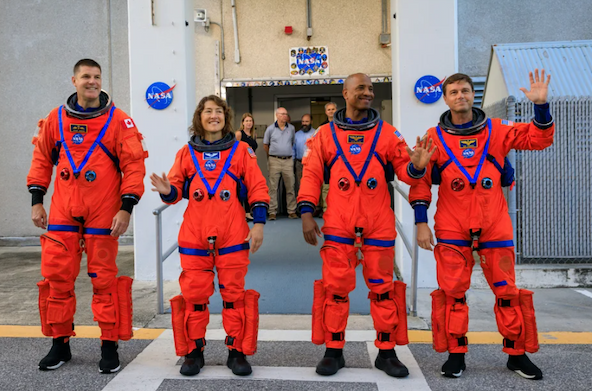
March 31, 2026—A close look at the life of bees. Plus, NASA begins the countdown for liftoff of Artemis II, and a massive freshwater reservoir is suspected below Utah's Great Salt Lake. —Andrea Gawrylewski
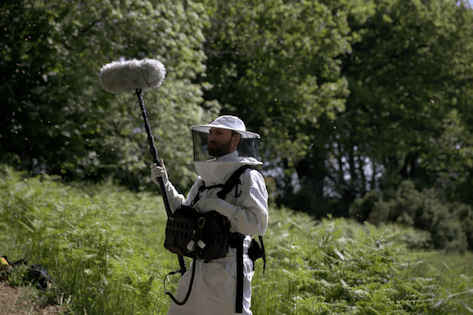
Chief Newsletter Editor | | A sound operator recording bee sounds in the field for Secrets of the Bees. National Geographic/Tom Oldridge | | Bees are in trouble. In the U.S., between a quarter and half of bees are expected to die every year. In the winter of 2025, beekeepers saw average losses ranging upward of 70 percent. Scientists believe varroa mites are culprits in most of those losses, because they make bees susceptible to a variety of environmental insults, from mite-vectored viruses to fungal infections to pesticides. Another nasty mite has now infected global bee populations, and keepers in the U.S. are waiting anxiously for the mite to spread to U.S. populations. What happens in a world with only a few bees? Foods like almonds, apples, cherries, blueberries, and some pit fruits and vine fruits are vitally dependent on bee pollination. Vegetables such as broccoli, carrots, celery, cucumbers and herbs would become scarcer and more expensive. And because the cattle industry depends on bee-dependent alfalfa and clover for feed, beef and dairy products would also cost a lot more. A new documentary called Secrets of the Bees by Titanic and Avatar director James Cameron, out today on National Geographic (streaming tomorrow on Disney+ and Hulu), gives an unprecedented look at the lives of these creatures. Cameron himself is an avid beekeeper in his spare time. Newsletter editor Emma Gometz sat down with Cameron and the series cinematographer John Brown for an inside look.
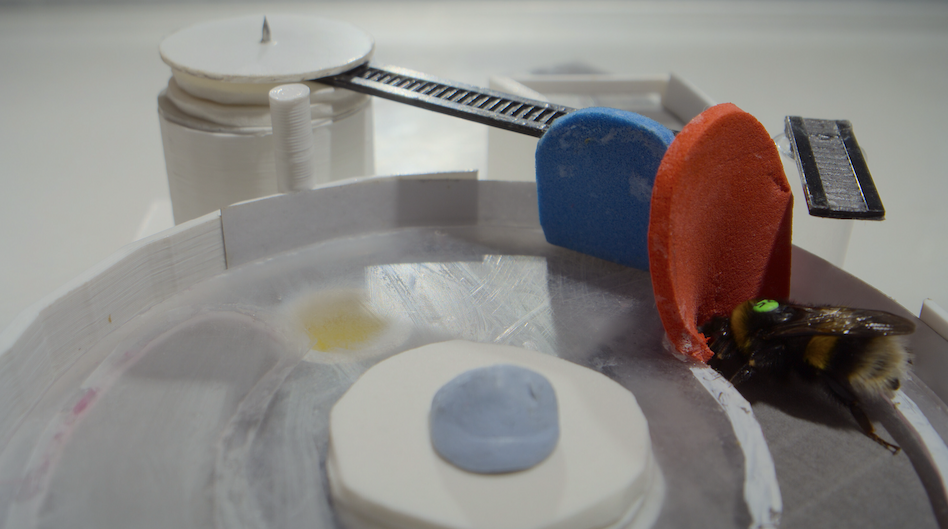
James Cameron, executive producer: There's so much that I didn't know about bee society. And learning about bee culture as well, meaning that which is passed on in direct communication between individual bees. I certainly was of the belief that bees were basically little Roombas that were hardwired with relatively basic programming, but it turns out that ... they're also capable of being able to learn specific tasks and have things demonstrated for them which they can then replicate. And we call that culture, right? So that's an amazing thing, to think of bee culture. | | Bee solving a two-step puzzle in a lab. National Geographic | | John Brown, cinematographer: They're all different. It shouldn't sound like a glib answer, because there's now objective evidence of how versatile they are as learning conscious things. And I've always felt that. So it's kind of confirmed my sense that these animals, even within the same species, can have a lot of different personality types.
EG: What were the challenges of filming these tiny creatures in such detail?
JB: The biggest challenge is that as you increase magnification, you decrease depth of field. For a viewer, we are unsettled if we're looking at an image where not much of it is in focus. So, [the team used] some specialist lenses that allow us to get very high magnification and keep as much depth of field as we can. Even though our camera technology has evolved hugely over the last sort of decade, physics hasn't changed the way the photons interact with glass and how glass projects an image onto a sensor. Physics is physics—no matter how elaborate our equipment is, there are just constants in the world of optics that you can't do much about.
EG: What drew you to this show?
JC: I do it for my own interests, my own curiosity. The Secrets series has been incredibly revelatory to me about the behavior of whales and octopus and various species that I thought I knew about. I've found a lot more detail. I always learn something. I mean, they pay me, but frankly, I'd pay them.
JB: [Bees] are endlessly fascinating. Working on this project has kind of confirmed my suspicions that there's more to them. If in any way, we are able to engender the same love that we have for bees in our viewers, then that's a big win.
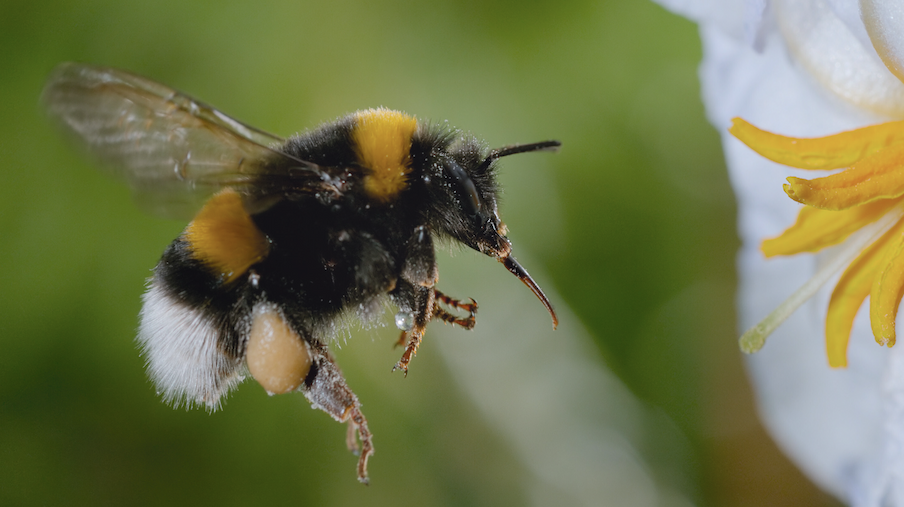
| | A bumble bee passing nectar from forelegs to hindlegs. National Geographic | | | | |
- Challenge your logic and arithmetic with our 4x4 and 6x6 KenKen puzzles: In this 4x4 grid, fill each row and column with numbers 1 through 4, while making sure the inner calculations are correct. For example in the top left box, the resulting computation should equal 2 and result from subtracting one number from the other.
| | The best way to help bees in your neck of the woods? First, plant flowers, bushes and trees native to your area to feed pollinating insects. I use the following sites to find native plants: the Xerces Society and the National Wildlife Foundation. Second is to avoid using pesticides on your lawns and gardens at all costs. A book that came out last year that I've been particularly enjoying is Nettles and Petals, by British gardener Jamie Walton. Walton has great suggestions for plant pairings that help naturally repel garden pests. And he recommends working weeds into your meals, rather than trying to eradicate them. Diverse and healthy gardens nurture local populations of pollinators like bees. | | How do you encourage bee populations in your own garden or area? Tell me about it by emailing: newsletters@sciam.com. Thanks for reading. —Andrea Gawrylewski, Chief Newsletter Editor
| | | | |
Subscribe to this and all of our newsletters here. | | | | |